
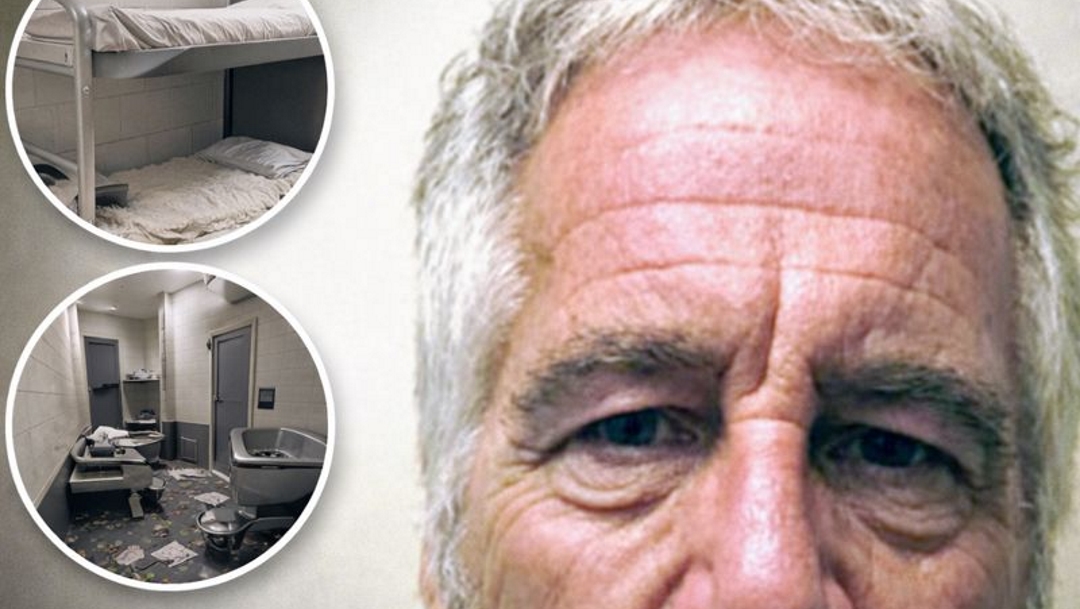
At the time of his death, Epstein had been placed on suicide watch after an earlier incident, then later removed from it under circumstances that remain disputed. The new video does not resolve those questions, but it provides context for how closely—or loosely—he was being monitored.
Former correctional officers and prison experts reviewing the footage say the cell itself appears consistent with standard MCC housing, but the controversy lies not in the design, rather in how protocols were followed. Federal guidelines typically require frequent checks on inmates considered at risk, especially those with the resources and notoriety Epstein possessed.
The footage also revives attention on the jail’s deteriorating infrastructure. MCC had long been criticized for understaffing, aging equipment, and unreliable security systems. In the weeks following Epstein’s death, the facility was temporarily closed amid mounting concerns about safety and oversight.
What continues to trouble many observers is how multiple safeguards appear to have failed simultaneously. Guards assigned to Epstein’s unit later admitted to falsifying records indicating they had conducted required checks, a revelation that further eroded trust in official explanations.
Although federal authorities ultimately ruled Epstein’s death a suicide, skepticism persists. The combination of broken cameras, exhausted staff, and a high-risk inmate created conditions that critics argue should never have been allowed.
For victims of Epstein’s alleged crimes, the footage reopens old wounds. Many have said that his death deprived them of accountability and closure, leaving unanswered questions about the powerful figures who may have enabled or ignored his actions.
Legal analysts point out that the renewed focus on the cell underscores a broader issue: how the justice system handles defendants whose wealth and influence make them extraordinary cases within ordinary institutions.
While the video does not introduce new evidence of wrongdoing, it sharpens the visual reality of Epstein’s final confinement. The sparse environment contrasts sharply with the luxury that defined much of his public life, a juxtaposition that continues to fascinate and disturb the public.
Federal investigations into the circumstances surrounding Epstein’s death have concluded, but the release of additional footage ensures the case remains alive in the public imagination. Each new detail adds texture, but rarely finality.
The Justice Department’s own watchdog previously documented extensive failures at the facility, concluding that a “perfect storm” of negligence, misconduct, and systemic decay contributed to the outcome. That report remains a key reference point for understanding how the system broke down.