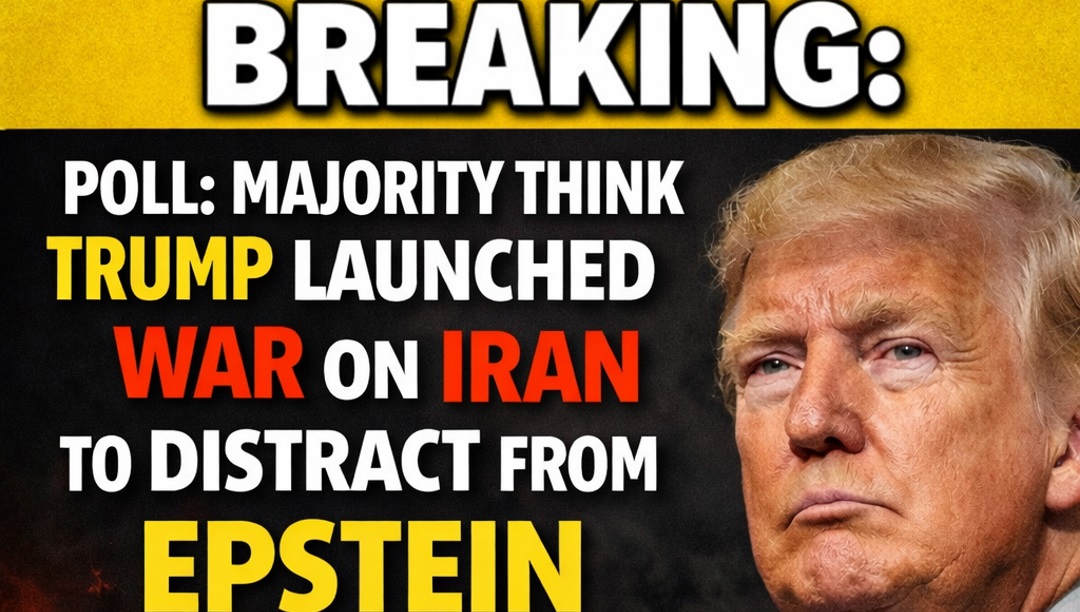
The results quickly drew a reaction from Trump’s representatives, who questioned aspects of the sampling and emphasized internal polling they claim shows stronger support. In a written statement, aides argued that the survey “does not reflect the enthusiasm on the ground” and pointed to rally attendance and fundraising numbers as counterevidence.
Polling experts note that disputes over survey accuracy are increasingly common in highly competitive political environments. Analysts frequently emphasize the importance of examining margins of error, sample size, and demographic weighting before drawing conclusions.
Data from the RealClearPolitics polling averages also illustrate how results can vary depending on timing and methodology. Some polls show tighter races or slightly different favorability figures, underscoring how fluid public opinion can be.
One notable finding in the new survey was the intensity of voter sentiment. A large percentage of respondents described their views as “very favorable” or “very unfavorable,” suggesting that opinions are not only divided but firmly entrenched.
Political strategists say that such polarization creates both advantages and challenges. Strong loyalty among supporters can translate into higher turnout, but difficulty expanding appeal beyond the base may complicate efforts to win over undecided voters.