
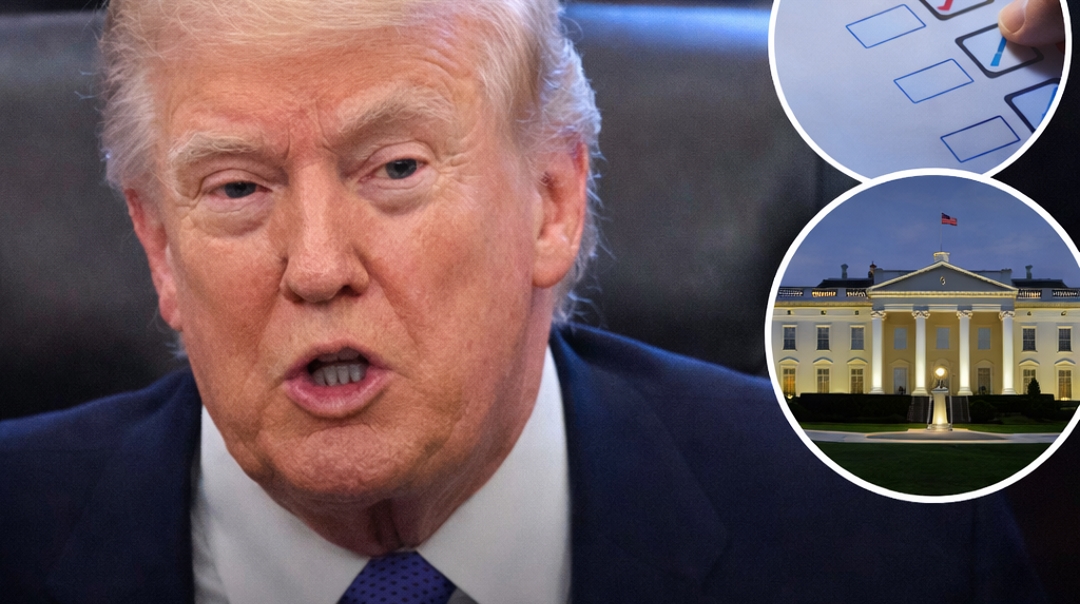
A newly released national survey is offering a fresh snapshot of how voters view former President Donald Trump, revealing a sharply divided electorate and prompting a forceful response from his team.
The poll, conducted by a major independent research group, found that while Trump maintains strong support among core Republican voters, overall favorability numbers remain deeply polarized. A significant portion of respondents said their views have hardened in recent months, reflecting the broader political climate.
According to publicly available methodology details from the Pew Research Center’s political surveys, modern polling continues to show high levels of partisan alignment, with fewer undecided voters than in previous election cycles.
In this latest survey, approval among self-identified Republicans remained high, with most respondents in that group expressing confidence in Trump’s leadership style and policy priorities. However, independent voters were more mixed, and Democratic respondents overwhelmingly expressed disapproval.
The results quickly drew a reaction from Trump’s representatives, who questioned aspects of the sampling and emphasized internal polling they claim shows stronger support. In a written statement, aides argued that the survey “does not reflect the enthusiasm on the ground” and pointed to rally attendance and fundraising numbers as counterevidence.
Polling experts note that disputes over survey accuracy are increasingly common in highly competitive political environments. Analysts frequently emphasize the importance of examining margins of error, sample size, and demographic weighting before drawing conclusions.
Data from the RealClearPolitics polling averages also illustrate how results can vary depending on timing and methodology. Some polls show tighter races or slightly different favorability figures, underscoring how fluid public opinion can be.
One notable finding in the new survey was the intensity of voter sentiment. A large percentage of respondents described their views as “very favorable” or “very unfavorable,” suggesting that opinions are not only divided but firmly entrenched.
Political strategists say that such polarization creates both advantages and challenges. Strong loyalty among supporters can translate into higher turnout, but difficulty expanding appeal beyond the base may complicate efforts to win over undecided voters.
The poll also explored perceptions of economic management, national security, and institutional trust. On economic issues, respondents were closely split, with some citing concerns about inflation and federal spending, while others emphasized job growth and market stability.
When asked about leadership style, voters again divided along partisan lines. Supporters described Trump as decisive and outspoken, while critics characterized him as confrontational. These contrasting perceptions have remained a defining feature of his political brand.
The administration’s reaction to the poll results focused heavily on turnout dynamics. Advisors argued that enthusiasm metrics, such as event attendance and grassroots engagement, are more predictive of electoral success than standalone approval ratings.
Independent analysts caution that polling snapshots represent a moment in time rather than a fixed forecast. External events, campaign messaging, debates, and economic developments can all shift voter sentiment in relatively short periods.
For many voters, broader questions about governance, policy priorities, and institutional direction appear to weigh more heavily than personality alone. The survey suggested that issues like border policy, energy production, and fiscal management remain top of mind.
As campaigns intensify, both supporters and critics are likely to scrutinize every new data release. In today’s environment, polling numbers often become part of the political narrative themselves, shaping fundraising appeals, media coverage, and strategic decisions.
Whether this particular survey signals a lasting trend or a temporary fluctuation remains uncertain. What is clear is that voter opinion continues to reflect deep divisions, and any shift—however slight—will be closely watched by campaigns, analysts, and voters alike.