
Fresh national surveys suggest that approximately 60% of Americans disapprove of Donald Trump’s leadership, underscoring the deep political divisions that continue to define the country.
The findings, drawn from multiple recent polls, indicate that while Trump maintains strong support among Republican voters, overall national approval remains underwater. Analysts say the numbers reflect a polarized electorate where few voters remain undecided.
According to aggregated data tracked by FiveThirtyEight’s polling averages, Trump’s approval ratings have frequently hovered below 50%, often dipping significantly lower during periods of heightened controversy. While individual surveys vary, the broader trend has consistently shown more Americans disapproving than approving.
Recent polling from Pew Research Center similarly reflects a divided public, with strong partisan splits shaping perceptions of leadership, policy direction, and character.
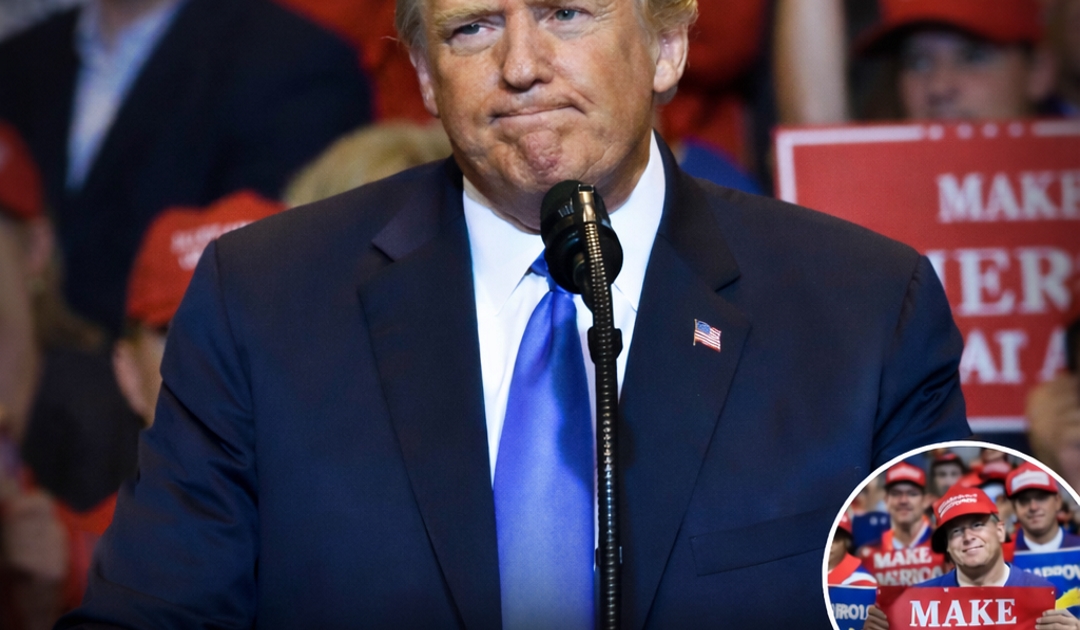
Supporters argue that polling does not always capture voter enthusiasm or turnout strength. They point to Trump’s continued influence within the Republican Party and his ability to mobilize large, loyal crowds at rallies.
Critics, however, contend that persistent disapproval numbers signal broader concerns about leadership style, rhetoric, and policy decisions. They argue that sustained negative ratings could become a political liability in competitive swing states.
Political strategists caution that approval ratings fluctuate based on economic conditions, international events, and media coverage. A single poll rarely tells the full story; rather, trends over time offer a clearer picture of public sentiment.
Among Republican voters, Trump’s approval remains high, often exceeding 80% in party-specific surveys. Within Democratic and independent circles, however, disapproval rates are substantially higher, driving the overall national figure upward.
The issue of leadership perception often extends beyond policy specifics. Voters frequently weigh tone, communication style, and personal conduct alongside economic or legislative outcomes.
Analysts say that for many Americans, opinions about Trump are firmly established. Years of high-profile political battles, legal challenges, and media coverage have hardened views on both sides.
Still, public opinion can shift. Approval ratings for past presidents have risen or fallen in response to major events, from economic recoveries to foreign policy crises.
The current polling landscape also reflects broader dissatisfaction with national politics. Surveys consistently show that many Americans express frustration not only with specific leaders but with the political system as a whole.
As election cycles approach, campaigns are likely to emphasize selective polling results that reinforce their narratives. Supporters may highlight strong numbers within the party base, while opponents point to overall national disapproval.
Ultimately, elections — not polls — determine political outcomes. Approval ratings provide insight into public mood, but voter turnout, campaign strategy, and unforeseen developments often shape final results.
For now, the approximately 60% disapproval figure illustrates the enduring polarization surrounding Trump’s leadership. Whether those numbers shift significantly in the months ahead will depend on economic conditions, campaign messaging, and the broader national conversation.
In a deeply divided political climate, polling serves less as a final verdict and more as a snapshot — one that captures a country still sharply split over the direction of its leadership.