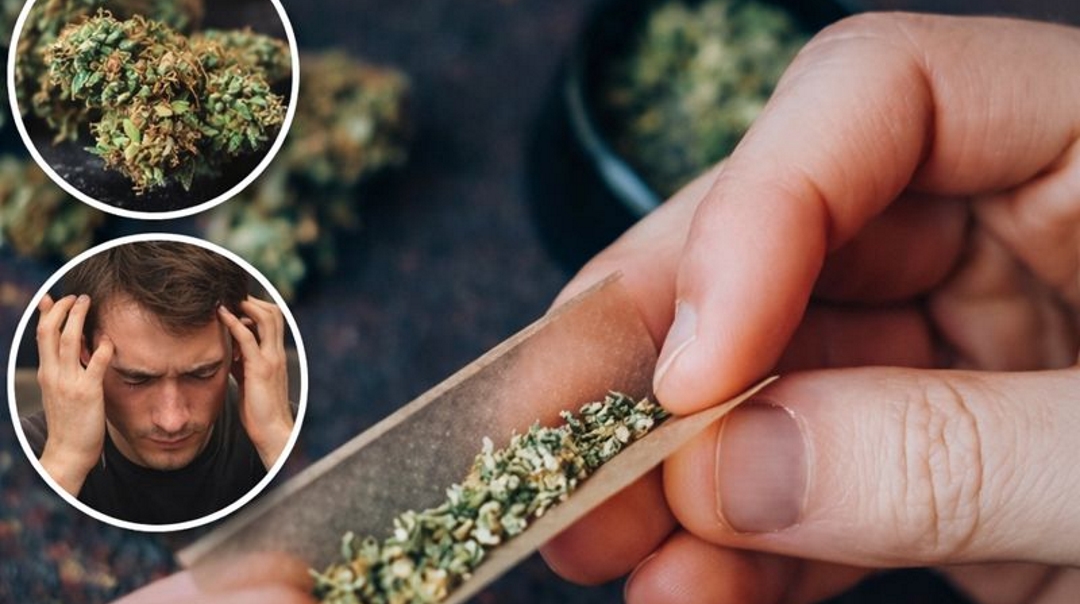
It’s the kind of headline that makes people snap their phones awake: a warning that cannabis-induced psychosis is rising, and that one group is taking the brunt of it. What’s unsettling is how quickly this story moves from “internet panic” into something that looks a lot more like a slow-burn public health problem.
For years, cannabis has been sold culturally as the “safer” vice — softer than hard drugs, easier to manage than alcohol, and increasingly normalized by legalization. But as potency climbs and daily use becomes more common, psychiatrists and researchers have been documenting a darker pattern: more people showing up in crisis, paranoid, disoriented, and sometimes unable to tell what’s real.
When people talk about cannabis-induced psychosis, they’re not describing someone who smoked and got sleepy. They’re describing a state where the brain flips into fear mode — voices that aren’t there, delusions that feel airtight, the sense you’re being watched or hunted. In emergency rooms, the presentations can look terrifyingly similar to severe mental illness, and in some cases the episode doesn’t simply fade when the high is gone.
One of the most cited modern alarms comes from a large population-level analysis out of Denmark, where researchers tracked how cannabis use disorder lined up with later schizophrenia diagnoses. In that registry analysis the signal was especially hard to ignore for young men — suggesting that, in that group, a meaningful share of new schizophrenia cases could be linked to problematic cannabis use rather than random bad luck.