
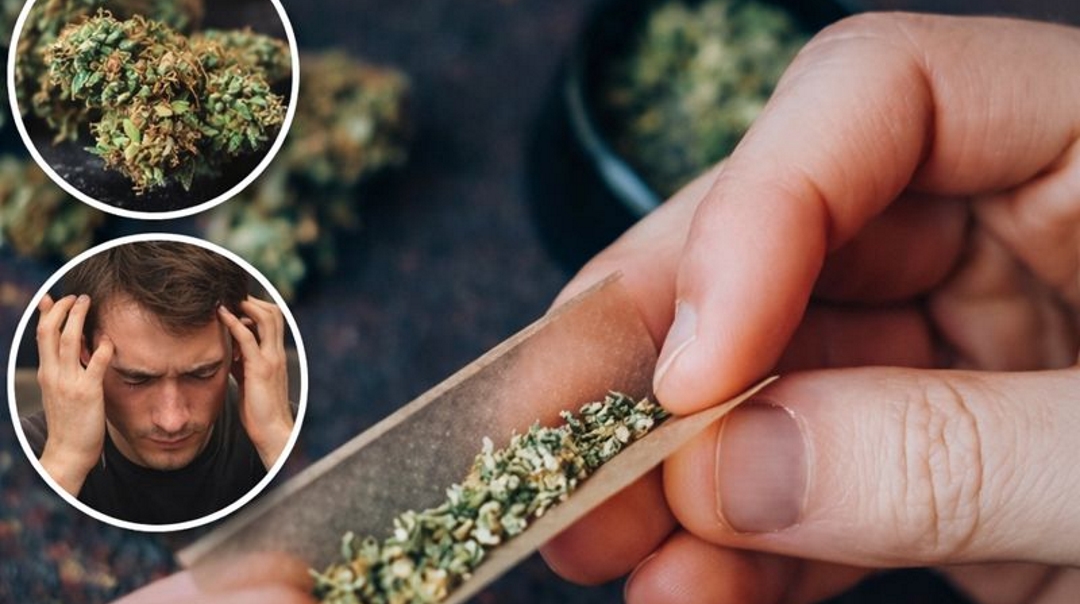
That “one group at risk” line that keeps popping up in coverage is usually pointing to young males, particularly those who use heavily, start early, or chase high-THC products. It doesn’t mean every young man who tries cannabis is doomed. It means the risk curve is steeper in that population, and that steepness becomes deadly serious when the drug being consumed today is often far stronger than what earlier generations encountered.
There’s also a quieter detail people miss: it’s not only how much someone uses, but why they started. A growing body of research is finding that self-medicating — using cannabis to soothe anxiety, numb depression, or silence intrusive thoughts — can be tied to worse mental health outcomes down the line. A recent update shared by clinicians reviewing findings in BMJ Mental Health highlighted how people who began using cannabis for self-soothing reasons reported higher paranoia and poorer mental health compared with those who started recreationally.
That matters because paranoia is often the bridge between “I’m stressed” and “I think something is happening to me.” It’s the symptom that can turn a social scene into a trap, a partner into a threat, a harmless sound into a warning. And once paranoia locks in, it can push people into spirals where they isolate, stop sleeping, and become more vulnerable to a full psychotic break.
At the center of the argument is potency. The cannabis market didn’t just expand — it evolved. Higher-THC products, concentrates, and stronger strains can deliver an intensity that overwhelms someone who thinks they’re consuming something mild. Add that to daily use, adolescent brains still developing, and the modern pressure cooker of social stress, and you get a recipe that mental health workers say they’re seeing more often than the public realizes.
But the story isn’t only about chemistry. It’s also about speed. A lot of people slide into heavy use without noticing it’s happening: first weekends, then most nights, then every day, then “I can’t sleep without it.” By the time someone is dependent, stopping can trigger anxiety, irritability, insomnia, and emotional collapse — exactly the feelings that made them reach for it in the first place.
So when a new study warns psychosis is “on the rise,” it’s rarely claiming cannabis is a magic switch that instantly creates schizophrenia in everyone who touches it. The more grounded claim is scarier: cannabis can raise risk in a subset of people, and we’re expanding exposure through more potent products, earlier initiation, and normalized daily use. That combination doesn’t need to affect everyone to be a national problem — it only needs to hit a predictable minority again and again.