
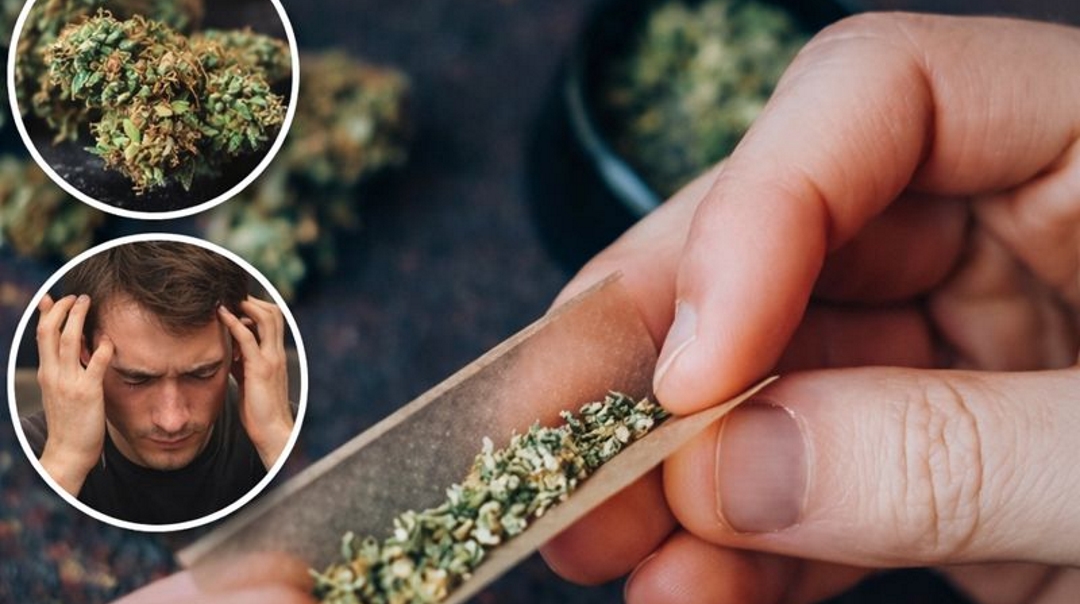
It’s the kind of headline that makes people snap their phones awake: a warning that cannabis-induced psychosis is rising, and that one group is taking the brunt of it. What’s unsettling is how quickly this story moves from “internet panic” into something that looks a lot more like a slow-burn public health problem.
For years, cannabis has been sold culturally as the “safer” vice — softer than hard drugs, easier to manage than alcohol, and increasingly normalized by legalization. But as potency climbs and daily use becomes more common, psychiatrists and researchers have been documenting a darker pattern: more people showing up in crisis, paranoid, disoriented, and sometimes unable to tell what’s real.
When people talk about cannabis-induced psychosis, they’re not describing someone who smoked and got sleepy. They’re describing a state where the brain flips into fear mode — voices that aren’t there, delusions that feel airtight, the sense you’re being watched or hunted. In emergency rooms, the presentations can look terrifyingly similar to severe mental illness, and in some cases the episode doesn’t simply fade when the high is gone.
One of the most cited modern alarms comes from a large population-level analysis out of Denmark, where researchers tracked how cannabis use disorder lined up with later schizophrenia diagnoses. In that registry analysis the signal was especially hard to ignore for young men — suggesting that, in that group, a meaningful share of new schizophrenia cases could be linked to problematic cannabis use rather than random bad luck.
That “one group at risk” line that keeps popping up in coverage is usually pointing to young males, particularly those who use heavily, start early, or chase high-THC products. It doesn’t mean every young man who tries cannabis is doomed. It means the risk curve is steeper in that population, and that steepness becomes deadly serious when the drug being consumed today is often far stronger than what earlier generations encountered.
There’s also a quieter detail people miss: it’s not only how much someone uses, but why they started. A growing body of research is finding that self-medicating — using cannabis to soothe anxiety, numb depression, or silence intrusive thoughts — can be tied to worse mental health outcomes down the line. A recent update shared by clinicians reviewing findings in BMJ Mental Health highlighted how people who began using cannabis for self-soothing reasons reported higher paranoia and poorer mental health compared with those who started recreationally.
That matters because paranoia is often the bridge between “I’m stressed” and “I think something is happening to me.” It’s the symptom that can turn a social scene into a trap, a partner into a threat, a harmless sound into a warning. And once paranoia locks in, it can push people into spirals where they isolate, stop sleeping, and become more vulnerable to a full psychotic break.
At the center of the argument is potency. The cannabis market didn’t just expand — it evolved. Higher-THC products, concentrates, and stronger strains can deliver an intensity that overwhelms someone who thinks they’re consuming something mild. Add that to daily use, adolescent brains still developing, and the modern pressure cooker of social stress, and you get a recipe that mental health workers say they’re seeing more often than the public realizes.
But the story isn’t only about chemistry. It’s also about speed. A lot of people slide into heavy use without noticing it’s happening: first weekends, then most nights, then every day, then “I can’t sleep without it.” By the time someone is dependent, stopping can trigger anxiety, irritability, insomnia, and emotional collapse — exactly the feelings that made them reach for it in the first place.
So when a new study warns psychosis is “on the rise,” it’s rarely claiming cannabis is a magic switch that instantly creates schizophrenia in everyone who touches it. The more grounded claim is scarier: cannabis can raise risk in a subset of people, and we’re expanding exposure through more potent products, earlier initiation, and normalized daily use. That combination doesn’t need to affect everyone to be a national problem — it only needs to hit a predictable minority again and again.
Families tend to describe the same whiplash when it happens: a young person who was functioning, then suddenly isn’t; a bright student who starts speaking in coded fear; a funny friend who becomes convinced they’re being surveilled. Sometimes the episode resolves. Sometimes it becomes a revolving door — brief stabilization, relapse, another hospitalization — leaving everyone terrified of what will happen next.
What makes this conversation so volatile online is that it can feel like a moral battle rather than a health warning. People hear “cannabis can trigger psychosis” and assume it’s propaganda. Others hear it and assume everyone who uses cannabis is reckless. The truth sits in the uncomfortable middle: a drug can be widely used, even medically useful for some, and still carry a serious psychiatric risk for others — particularly in specific age and sex groups under certain patterns of use.
If there’s one clear takeaway from the research, it’s that the risk isn’t abstract. It has a shape. It clusters around heavy use, early use, high potency, and vulnerable mental health profiles — and it hits young men hard enough that researchers keep circling back to them as the group that needs the loudest warning.