
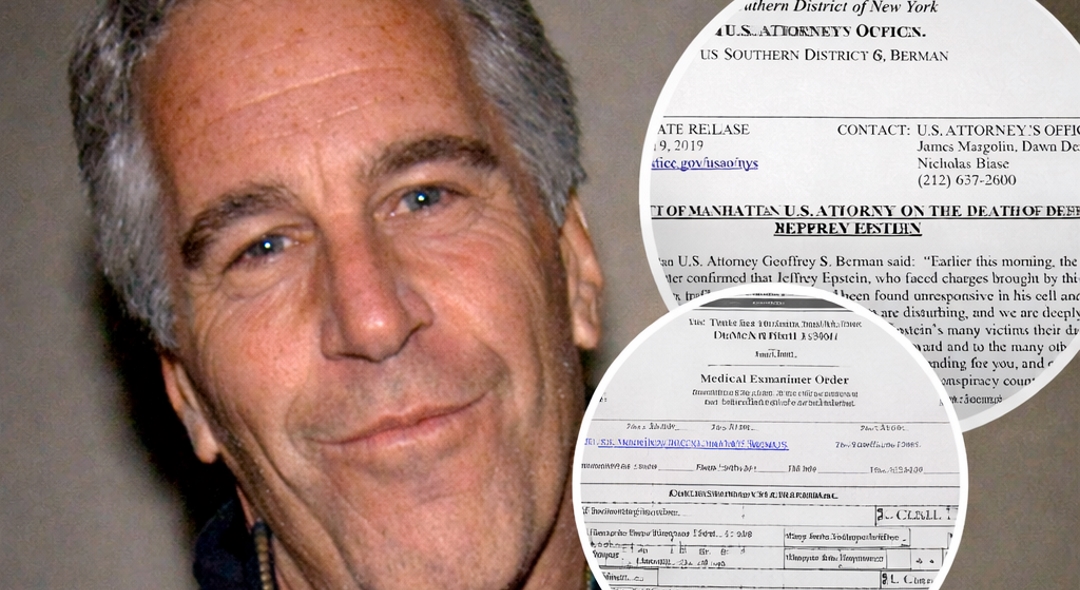
But critics say the explanation is far from sufficient, particularly given the magnitude of the case and the number of documented failures already acknowledged by federal authorities.
Epstein, a financier facing federal sex trafficking charges, was being held at the Metropolitan Correctional Center in New York when he died. At the time, he was considered one of the most high-profile inmates in the country, with alleged connections spanning global politics, finance, and royalty.
In the months following his death, multiple investigations confirmed that required cell checks were not conducted, security cameras malfunctioned, and staffing shortages plagued the unit where he was housed.
A detailed review by the Department of Justice’s Office of the Inspector General outlined these failures, concluding that a cascade of negligence contributed to the circumstances surrounding Epstein’s death, though it stopped short of alleging criminal wrongdoing by staff. That report remains publicly available through the DOJ’s official site and can be reviewed here.
The newly highlighted timing discrepancy has added another layer to an already fragile public trust. Legal analysts note that while a one-day discrepancy does not inherently prove misconduct, it raises valid questions about documentation practices in cases involving inmate deaths.