
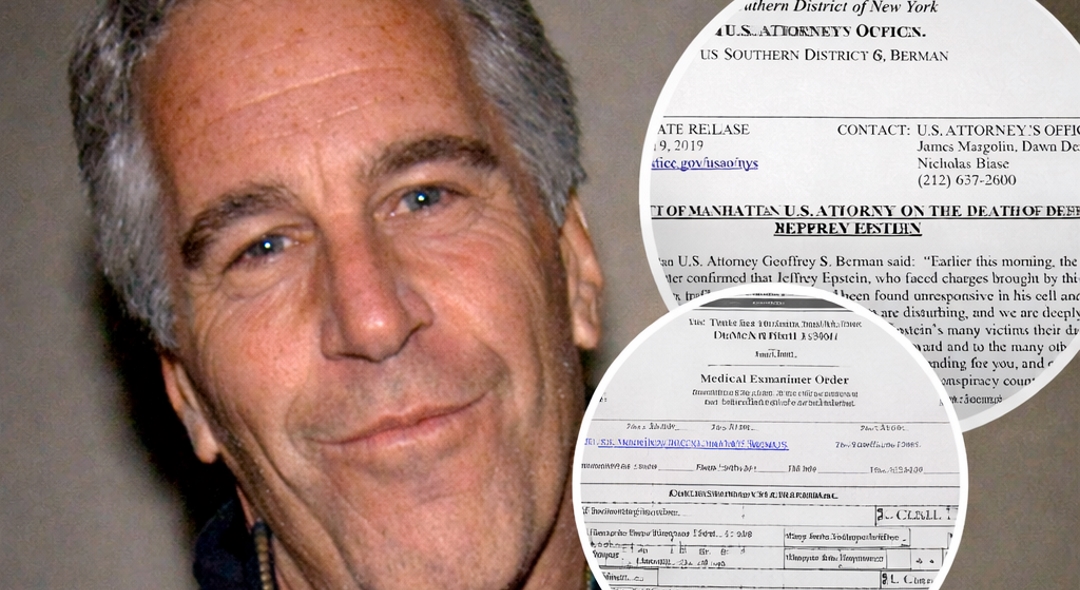
Former corrections officials have pointed out that death logs, medical examiner notifications, and internal reporting systems often operate independently. A preliminary entry may be created when a medical emergency occurs, even if death is later confirmed.
Still, Epstein’s case does not exist in a vacuum. Every administrative anomaly is magnified by the stakes involved and the number of powerful individuals who were never brought to trial in connection with his alleged crimes.
The renewed attention has also reignited debate about transparency. Critics argue that federal agencies have released information reactively rather than proactively, allowing speculation to flourish in the absence of clear, unified explanations.
Mainstream media coverage has acknowledged the document discrepancy while cautioning against drawing definitive conclusions without further corroboration. Reporting by The New York Times previously detailed how medical examiner findings and jail records already contained inconsistencies that were never fully reconciled in public briefings.
What continues to frustrate many observers is not a single unexplained detail, but the cumulative weight of unresolved issues. From broken cameras to falsified logs to now a conflicting date entry, the pattern has left lingering doubts about institutional accountability.
For Epstein’s victims, advocates say the focus should not be lost amid procedural debates. They argue that the true injustice was the loss of a public trial that could have exposed networks of abuse and provided long-overdue answers.
As calls for transparency grow louder, lawmakers and civil rights groups continue pressing for broader reforms within the federal detention system. Epstein’s death, they say, exposed vulnerabilities that extend far beyond one inmate or one facility.
The newly released records do not rewrite the official conclusion of suicide. But they have reopened a case many believed was quietly being put to rest. In doing so, they underscore a reality that has followed this story from the beginning: when documentation doesn’t align, trust erodes.
Until every discrepancy is clearly explained — and convincingly so — questions surrounding Epstein’s final hours are unlikely to fade. Instead, each new document adds to a growing archive of doubt that continues to shadow the case years after his death.