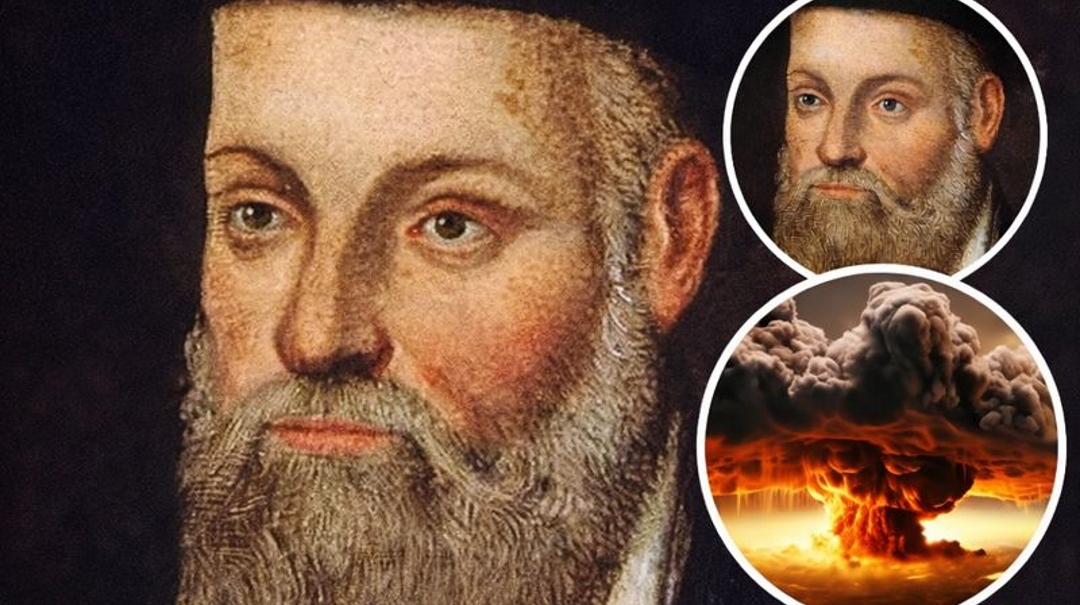
That’s the secret sauce of Nostradamus content: the writing is elastic. It’s not that he “called it” in a clean, timestamped way—he didn’t write, “On this date, in this country, this exact thing will happen.” What he left behind were quatrains that can be tugged into shape by whoever’s scared enough to try.
Still, the reason it’s catching fire right now is emotional, not academic. People are tired, the world feels tense, and every big international flashpoint comes with a low hum of dread—like something is building behind the scenes while regular life keeps pretending it isn’t.
The phrase getting pushed hardest is the idea of a “great war” beginning in 2026. On its face, that sounds like a prediction, but the internet version is always more dramatic: not “a conflict,” not “regional escalation,” but a looming, unstoppable global collapse.
What makes it stick is how easily the story can be threaded through multiple headlines at once. Venezuela becomes the spark, then the conversation drifts to wider tensions—alliances, sanctions, retaliation, and the kind of chest-tightening language leaders use when they want the world to listen.
That’s where the prophecy talk turns from eerie to messy. Because when people say “Nostradamus predicted this,” what they really mean is “This feels so bad I want a script for it.” Prophecy gives chaos a plot, even when the evidence is mostly vibes and recycled quotes.
Even UNILAD’s own coverage of Nostradamus-style 2026 fears leans into how people interpret the writing rather than presenting it as hard fact, noting how modern readers keep mapping current events onto his work and treating it like a dark mirror for the year ahead, as seen in the recent roundup of 2026 anxieties tied to his quatrains while still acknowledging how slippery the interpretations are.
That slipperiness is the point. Nostradamus didn’t give neat predictions for “2026” the way TikTok graphics claim. His writing gets retrofitted—sometimes by enthusiasts, sometimes by content farms, sometimes by people who genuinely believe history has patterns and the patterns have warnings.