Pam Bondi’s name has been dragged into the center of a rapidly intensifying political storm after viral claims accused her of playing a role in a sweeping cover-up tied to the Jeffrey Epstein files. The accusation, circulating across social media and fringe political spaces, has reignited fury over who knew what — and who may have helped keep damaging information buried.
The allegations gained traction as renewed public pressure builds around the still-sealed troves of Epstein-related documents, flight logs, and communications. Bondi, a former Florida attorney general and longtime Republican figure, quickly became a focal point because of her past role in Florida politics during a critical period of Epstein’s legal history.
Epstein’s controversial 2008 non-prosecution agreement, which allowed him to avoid federal charges despite serious allegations, has long been described as one of the most egregious failures of the justice system. That deal, negotiated while Bondi was rising in Florida Republican circles, was later dissected in the investigative reporting that first shattered Epstein’s protection.
Online critics now claim Bondi helped shield damaging information or suppress further scrutiny, though no evidence has been produced publicly to substantiate those claims. Bondi has not been charged with wrongdoing, and no court filing has accused her of participating in any illegal cover-up.
The Epstein case is a graveyard of unanswered questions — and people want names. — Investigative journalist (@WatchdogPress) Dec 2025
Bondi has previously faced scrutiny for accepting campaign donations connected to Trump allies around the same time her office declined to pursue certain investigations, a controversy reviewed years later in reporting on her political ties. While those donations were deemed legal, they fueled suspicion that political influence warped prosecutorial decisions.
Supporters of Bondi argue the current wave of accusations is driven by misinformation and guilt-by-association, pointing out that she did not personally sign Epstein’s plea deal and that responsibility for the agreement lay primarily with federal prosecutors. Legal analysts echoed that distinction in breakdowns of how the deal was structured.
Still, the anger surrounding Epstein has never fully cooled. Each time new documents are released or delayed, public trust erodes further. Advocacy groups argue that the lack of transparency fuels conspiracy theories, a dynamic explored in research on elite impunity and accountability.
When files stay sealed this long, people assume the worst. — Legal commentator (@JusticeSignals) Dec 2025
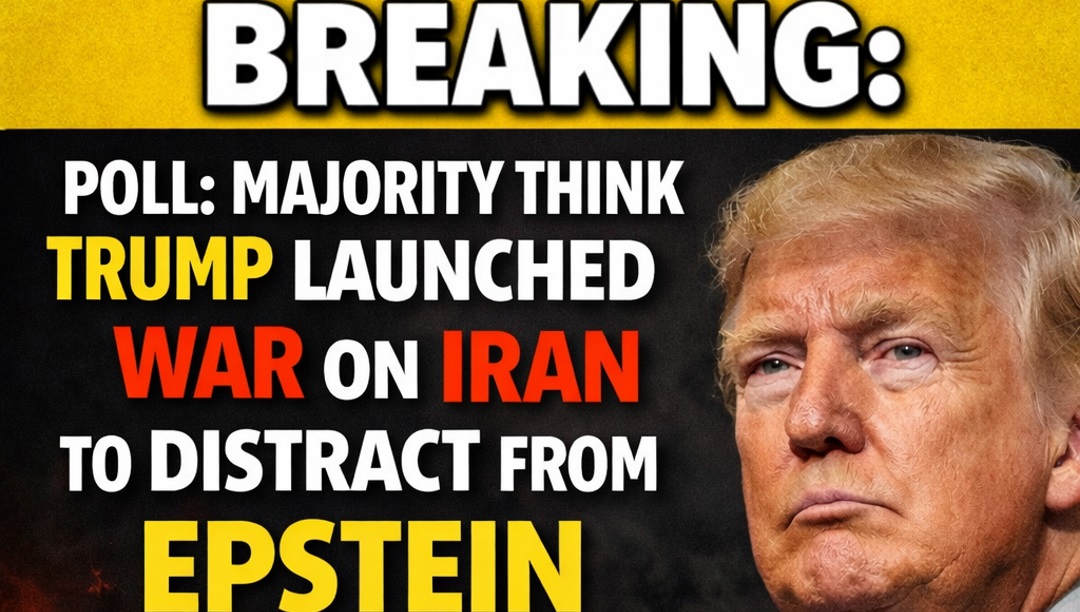
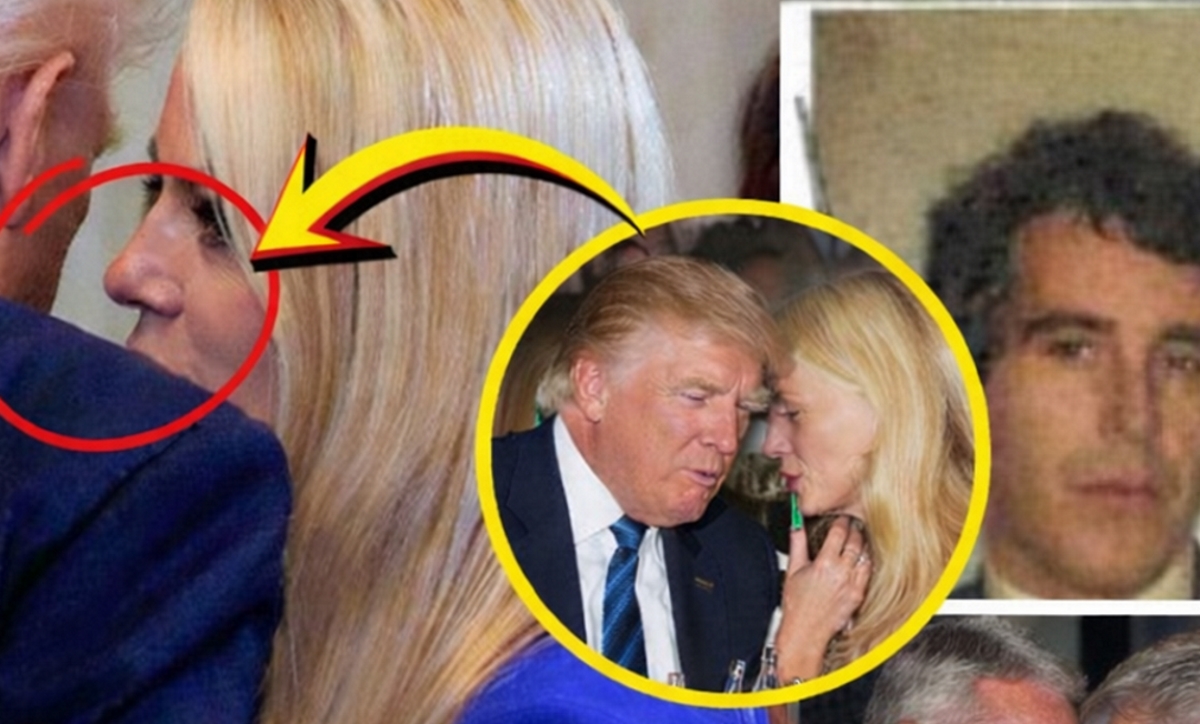
The resurfacing of Bondi’s name also reflects broader frustration with how Epstein’s network was handled across administrations and parties. Bill Clinton, Donald Trump, Prince Andrew, and other powerful figures have all faced renewed scrutiny as images and documents resurface, even when no criminal charges followed.
Bondi has not issued a new public statement addressing the latest accusations, and her allies say engaging with viral speculation only legitimizes it. Critics counter that silence in the Epstein saga has historically allowed misinformation to metastasize.
Legal experts stress a critical distinction: allegations circulating online are not evidence. They caution that conflating public anger with proof risks undermining legitimate calls for transparency, a warning echoed in guidance on verifying Epstein-related claims.
Accountability matters — but so does evidence. Mixing the two helps no one. — Media ethicist (@EthicsDesk) Dec 2025
What remains undeniable is the depth of public distrust surrounding Epstein’s case. Years after his death, the sense that powerful people escaped consequences continues to poison faith in institutions. Any official connected to that era, fairly or not, is now viewed through that lens.
For Bondi, the sudden reappearance of her name in this context underscores how Epstein’s shadow still stretches across American politics. Even unproven accusations can the moment they attach themselves to unresolved injustice.
As demands grow louder for the full release of Epstein-related files, the question is no longer just who is guilty — but whether the system is capable of convincing the public that the truth, whatever it is, will ever fully come out.