
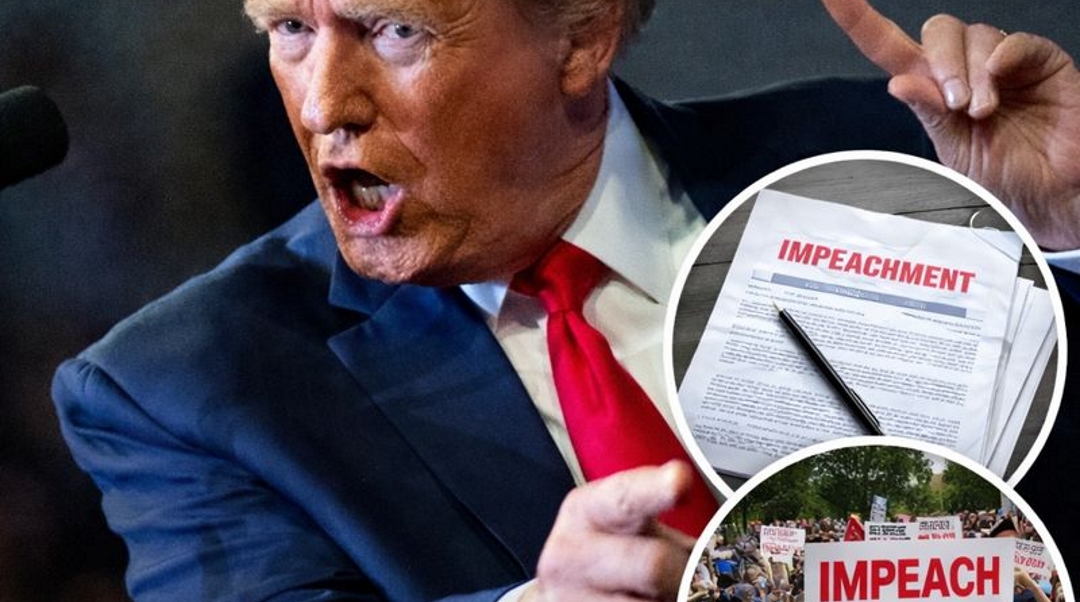
The petition’s growth comes amid a broader environment of polarization, where impeachment remains a rallying cry for Trump’s critics and a flashpoint for his supporters. Analysts told political strategy reporters that such petitions often function less as legal instruments and more as tools for mobilization and fundraising.
Trump allies have dismissed the petition as performative, arguing that similar efforts have failed to produce meaningful consequences in the past. They point to Trump’s two previous impeachments — both of which ended in acquittal — as evidence that public petitions do not translate into removal from office, a history summarized in archived congressional coverage.
Nonetheless, advocacy groups backing the petition say reaching the milestone matters symbolically. They argue it demonstrates sustained resistance and keeps impeachment in the public conversation as Trump campaigns and navigates multiple court cases detailed in current legal reporting.
Political scientists caution that impeachment fatigue may limit the petition’s broader impact, but acknowledge that high signature counts can still shape discourse, particularly during election cycles. Similar dynamics were observed during past impeachment drives, according to analysis from policy researchers.
As the petition nears its target, organizers say they plan to use the milestone to amplify calls for congressional action. Whether that pressure translates into real movement on Capitol Hill remains uncertain, but the petition’s momentum underscores how impeachment continues to loom over Trump’s political future.