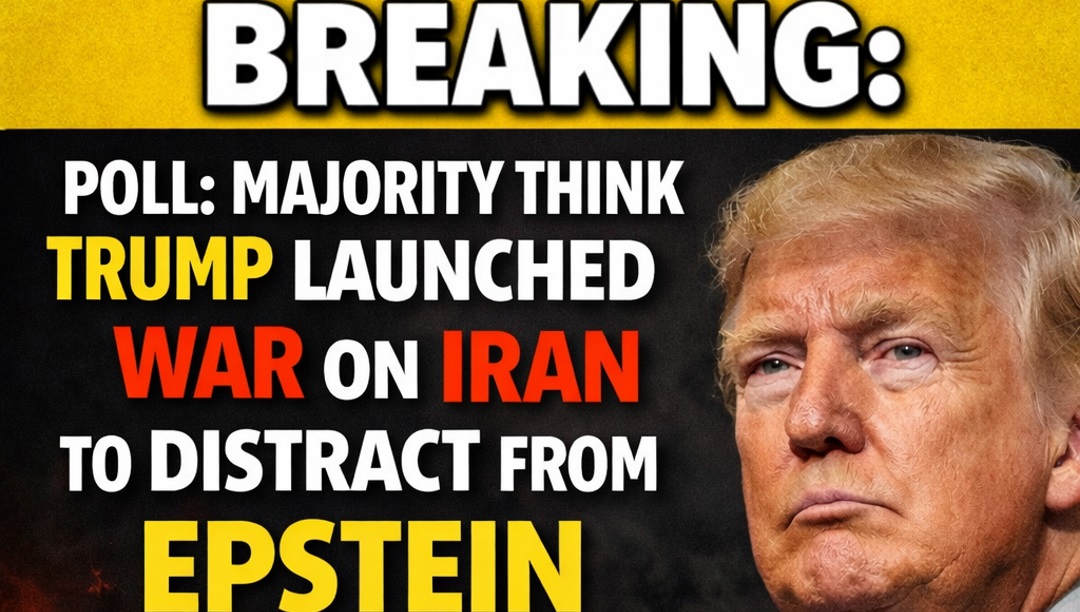
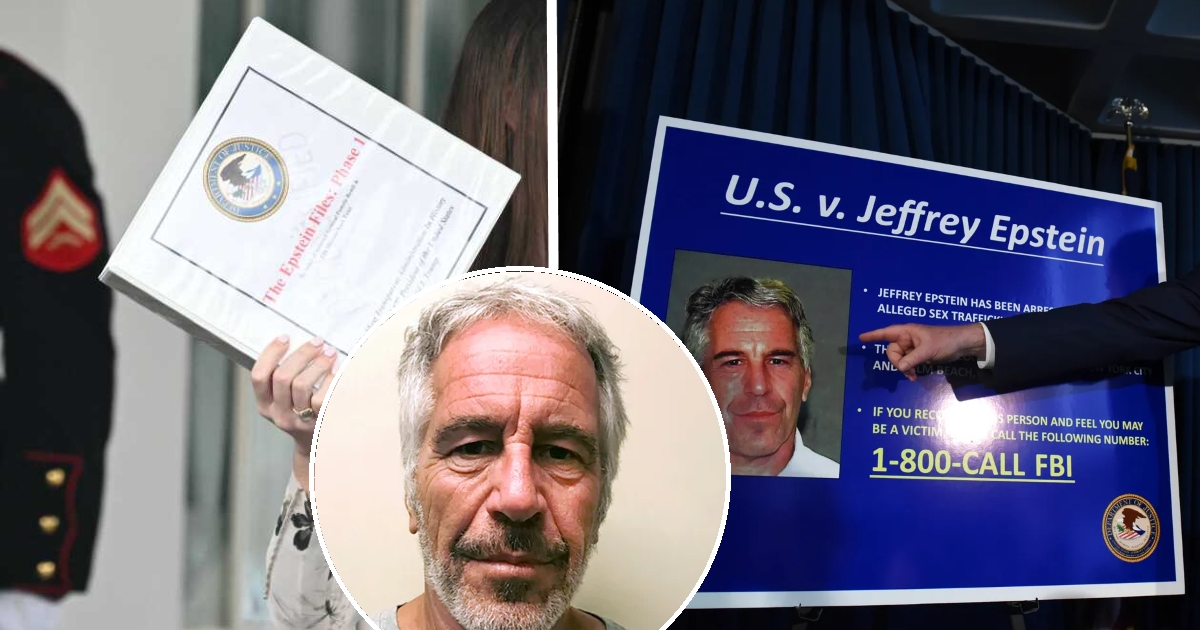
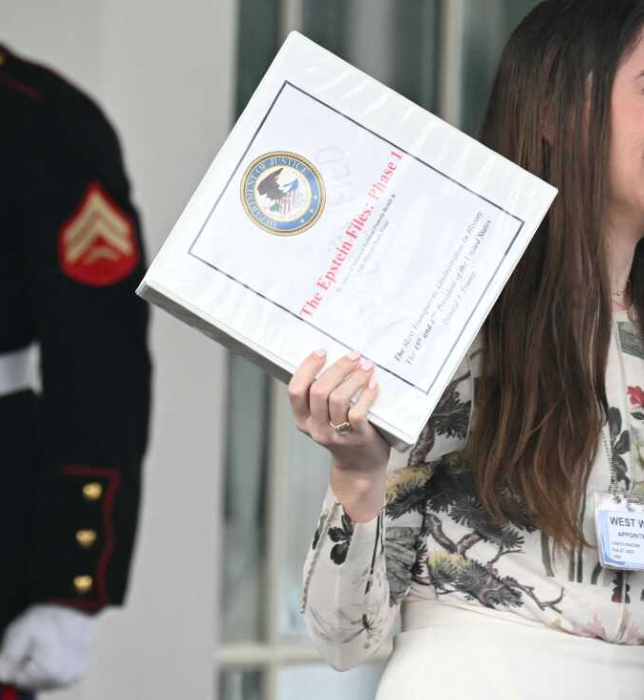
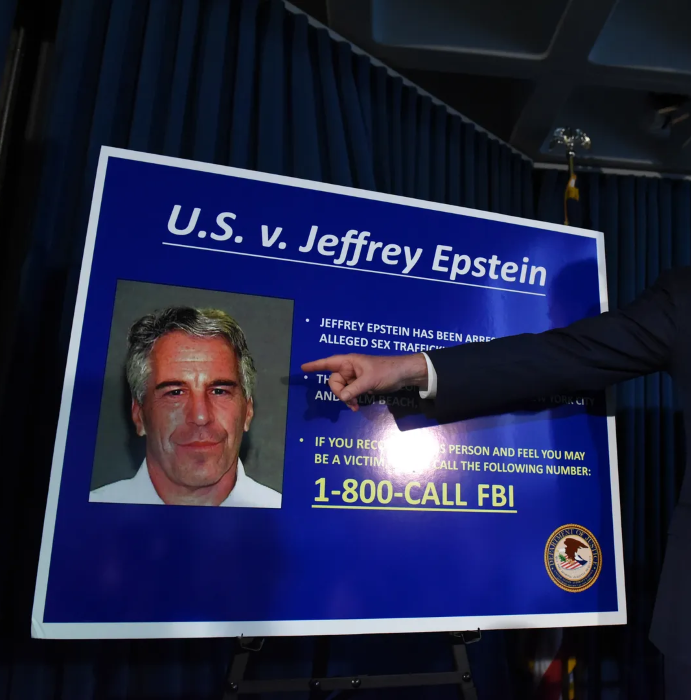
After years of secrecy, US officials have finally made public a cache of records tied to Jeffrey Epstein, reigniting one of the most explosive scandals of the century. The documents, released late at night by the Justice Department, include flight logs, visitor logs, and internal correspondence that shed light on Epstein’s network of connections. Though heavily redacted, the files have already sent shockwaves through Washington, Wall Street, and Hollywood, with observers calling it a moment of reckoning for powerful figures once linked to the disgraced financier.
According to Reuters, the release came after months of mounting legal pressure from victims’ attorneys and journalists demanding transparency. Epstein, who died in jail under mysterious circumstances in 2019, has remained at the center of speculation about who enabled his crimes and who may have been complicit. The files include partial lists of individuals who boarded his private jet—long nicknamed the “Lolita Express”—along with notes from visits to his New York mansion and Caribbean island. Officials told The New York Times that the documents had been withheld for years out of “privacy and security concerns,” but acknowledged the public interest had grown impossible to ignore.
The long-awaited disclosure did little to quiet speculation. Social media exploded within minutes of the release, with hashtags like #EpsteinFiles and #ClientList trending worldwide. Videos shared by @nexta_tv showed crowds gathering outside federal courthouses, holding photos of victims and demanding accountability for those named. Lawyers for survivors told AP News the documents represent “a step forward, but not justice,” pointing out that many names remain hidden under black ink. “This is a drip of truth in an ocean of secrets,” one attorney said.
“DOJ finally releases Epstein files. Names redacted, survivors say this is only the beginning.”— @PoliticsWatch
For families of victims, the release carried emotional weight. One mother who lost her daughter to suicide after years of trauma told The Guardian she broke down in tears reading the documents. “To see the names, to see how many people looked the other way—it makes me sick,” she said. Others gathered in Manhattan, lighting candles outside Epstein’s former townhouse, which remains a symbol of his predatory empire. “This house is a graveyard,” one survivor whispered to reporters, clutching court papers to her chest.
On Capitol Hill, reaction was immediate and fierce. Lawmakers told Politico they would demand unredacted versions, with one senator calling the release “a sanitized half-truth.” Civil rights groups echoed that sentiment, arguing that the Justice Department’s attempt to protect reputations undermines justice. “Transparency is meaningless if the names are hidden,” a spokesperson for survivors said. The files revealed glimpses of correspondence with prominent figures, but the blacked-out sections left the public with more questions than answers.
Even as Washington reacted, Wall Street shuddered. Analysts told FT that several executives named in unredacted passages could face immediate fallout, with shareholders demanding explanations about ties to Epstein. One investment firm quietly suspended a senior partner hours after the release. “Reputation is everything in finance,” one analyst said. “And Epstein’s shadow is poison.” Coverage in Bloomberg described investors frantically combing through the documents for clues to potential scandals.
“Epstein’s flight logs finally public. Wall Street exec suspended within hours of release.”— @CityAlerts
In Hollywood, whispers grew louder. Entertainment reporters told Vanity Fair that producers and actors once photographed with Epstein are bracing for renewed scrutiny. While some names were expected, others came as surprises, sparking furious denials online. One actor’s spokesperson told TMZ that his client “never met Epstein” despite appearing on a visitor log. Social media mocked the statement, with thousands pointing to photos showing the two together at charity galas. The debate captured the raw hunger for accountability that Epstein’s case continues to stir.
For survivors, though, the focus remains on justice, not celebrity intrigue. Advocates told TIME that the release proves how deeply Epstein’s network reached. “Every page tells a story of complicity,” one lawyer said. Yet the heavy redactions frustrated families who fear the most powerful names remain shielded. “They’re still protecting the rich and connected,” a survivor told NBC News. “But we see you. And we won’t stop.”
“Families of Epstein survivors gather in Manhattan, demanding full release of names.”— @GlobalWatchNow
Globally, the release reverberated in capitals where Epstein once cultivated ties. In London, coverage by BBC noted renewed scrutiny of Prince Andrew, whose connections to Epstein have haunted the monarchy for years. In Paris, officials told Le Monde that French prosecutors are examining whether new evidence could reopen dormant investigations. Meanwhile, in Tel Aviv, journalists reported by Haaretz said Israeli intelligence circles were nervously watching for mentions of their nationals. The breadth of Epstein’s reach once again revealed the scandal’s global tentacles.
Even in death, Epstein’s grip on the public imagination remains unshakable. Protesters gathered outside the Justice Department in Washington, waving banners that read “No More Secrets” and chanting the names of victims. Activists told Human Rights Watch that the fight for justice will continue until every connection is exposed. “This is not closure,” one advocate said. “This is the beginning of the next battle.” For the survivors, the release is both vindication and a reminder of how much remains hidden. And for the powerful who once moved in Epstein’s orbit, it is a warning that the truth may still be coming.