
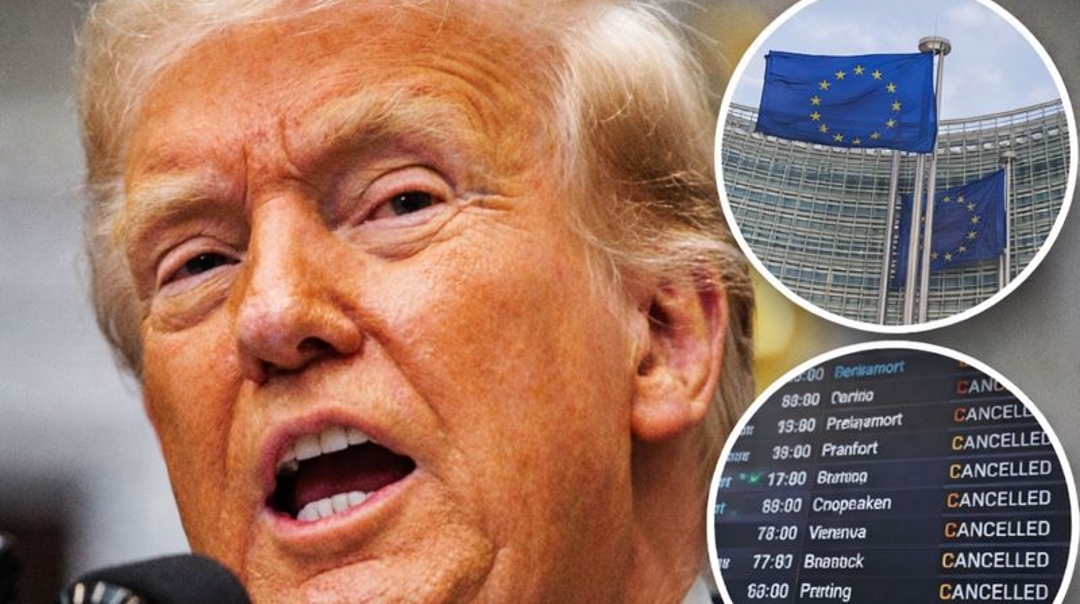
The announcement landed fast and without much warning. Several European countries found themselves abruptly blocked from entering the United States, triggering confusion at airports, diplomatic tension overseas, and a flood of unanswered questions about how far the policy might go.
Within hours, flight boards across major hubs began lighting up with cancellations and delays. Travelers already mid-journey were left scrambling for clarity, while others watched planned trips dissolve in real time. Aviation analysts noted that real-time cancellation data spiked almost immediately after the decision became public.
Officials framed the move as a necessary security and compliance measure, but details remained murky. The list of affected countries was not rolled out in a single, clear statement, instead surfacing through leaked memos, airline advisories, and scattered confirmations from foreign ministries. That lack of transparency fueled speculation that the decision had been made rapidly, with little coordination.
European leaders reacted sharply. Diplomats from multiple capitals demanded explanations, warning that sudden travel restrictions could disrupt business, education, and long-standing alliances. One senior EU official told reporters that the move risked undermining trust at a moment when cooperation was already strained, echoing concerns raised in recent policy analysis.
For travelers, the impact was immediate and personal. Families were separated, conferences postponed, and students left uncertain about whether they could return to U.S. campuses. Immigration attorneys cautioned that even travelers with valid visas could face complications, pointing to guidance circulated among legal circles urging caution and documentation.
The White House defended the move as lawful and temporary, emphasizing executive authority over border control. Supporters argued that national security decisions require speed and discretion. Critics countered that blanket restrictions on allied nations raised serious proportionality concerns, especially without publicly stated benchmarks for reversal.
Airports are chaos right now. People are finding out they can’t board flights they booked months ago. — Travel Desk (@TravelDeskNow) January 2026
Economic fallout quickly entered the conversation. Airlines warned of cascading losses, while tourism groups predicted a chilling effect on transatlantic travel just as demand had begun to stabilize. Industry watchers highlighted early recovery indicators that now risk being reversed if restrictions linger.
Beyond economics, the move reopened an old debate about unilateral decision-making in immigration policy. Past travel restrictions have faced legal challenges, and civil rights groups signaled they were already reviewing the new measures. Several organizations referenced previous court battles as potential roadmaps for response.
Inside Europe, public reaction ranged from anger to disbelief. Social media filled with images of stranded passengers and canceled itineraries, while commentators questioned why close allies appeared to be swept up in a policy often associated with far-riskier regions. The absence of a clearly articulated threat assessment only deepened the unease.
If this is about security, the criteria need to be explained. Silence only creates panic. — EU Policy Watch (@EUPolicyWatch) January 2026
As days pass, the central question remains unanswered: how long will the restrictions last, and what conditions must be met for them to be lifted? Without a clear timeline or unified explanation, travelers and governments alike are left operating in uncertainty.
For now, the episode underscores how quickly international mobility can be disrupted by executive action, even among long-standing partners. Whether the move proves to be a brief shock or a lasting shift in transatlantic travel policy may depend less on legal authority and more on how much political and diplomatic pressure continues to build.