
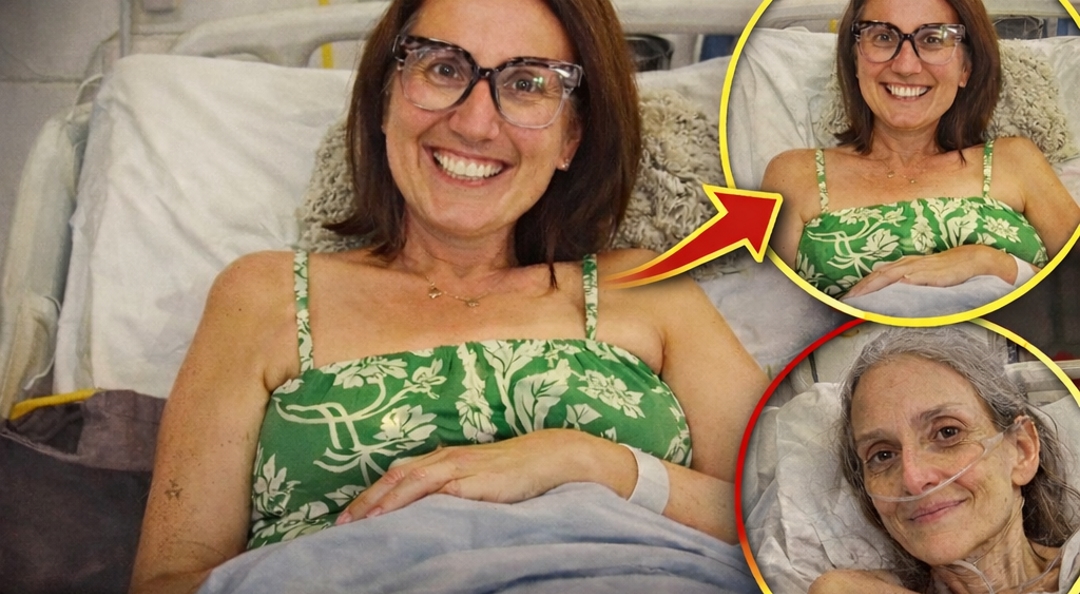
In the final months of her life, a woman who had spent years advocating for the right to control one’s own death made a decision that would bring renewed attention to one of medicine’s most difficult ethical debates.
Her choice was deeply personal — but the impact of it quickly reached far beyond her family and friends.
The activist, who had long spoken publicly about degenerative illness and patient autonomy, was facing the progression of a condition she believed would eventually rob her of independence, mobility, and the ability to communicate. According to those close to her, she had watched others endure the late stages of the disease and was determined to avoid that same outcome.
Friends say her motivation was not only about her own suffering, but also about the effect the illness could have on others.
She reportedly feared the emotional toll that the advanced stages of the disease could take on younger family members and caregivers. In interviews and statements shared by supporters, she spoke openly about wanting to spare children in her life from witnessing what she described as the “worst” stage of the condition.
Faced with that reality, she made a decision that aligned with the cause she had championed for years: the right of individuals to determine the timing and circumstances of their own death.
Because the laws governing assisted dying vary widely from country to country — and even between states — patients facing terminal or degenerative illnesses often encounter complex legal barriers when seeking end-of-life options.
In regions where physician-assisted dying is not permitted, some individuals choose other paths to assert control over their final days. Advocates say these decisions often reflect the limitations of existing laws rather than the absence of need.
Supporters of the right-to-die movement argue that mentally competent adults facing incurable or severely debilitating illnesses should have the ability to make their own decisions about when suffering becomes too great.
Critics, however, worry that expanding such laws could place vulnerable individuals at risk or create pressure on patients who feel like a burden to loved ones.
The debate has been ongoing for decades.
In the United States, several states — including Oregon, Washington, California, and a handful of others — have passed legislation allowing physician-assisted dying under specific circumstances. Patients must typically meet strict criteria, including a terminal diagnosis and confirmation from multiple physicians that they are capable of making informed decisions.
Elsewhere in the world, countries such as Canada, the Netherlands, and Belgium have adopted broader frameworks allowing medically assisted death in certain cases.
But in many places, the practice remains illegal, leaving patients and families navigating a complicated ethical and legal landscape during some of life’s most painful moments.
For those who knew the activist personally, her final decision reflected the principles she had spent years advocating.
Friends describe her as thoughtful, determined, and deeply committed to the idea that individuals should have the right to shape the final chapter of their lives. While they acknowledge the heartbreak surrounding her death, many say she remained consistent with the values she had publicly defended.
In the days after her passing, conversations about end-of-life autonomy once again spread across social media and advocacy groups.
Some saw her story as a powerful argument for expanding legal options for patients facing irreversible illness. Others said it illustrated the painful dilemmas families encounter when medical science can prolong life but not always alleviate suffering.
What remains clear is that the questions surrounding end-of-life choice continue to challenge lawmakers, physicians, and families around the world.
For the woman at the center of this story, the issue was never abstract.
It was about deciding how — and when — her own life would end.