That distinction is important, because public discussion about global conflict often drifts into dramatic speculation. In reality, defense analysts focus far more on prevention than prediction.
Modern warfare between major powers would carry consequences so severe that nearly every major government strategy revolves around avoiding it entirely. Nuclear deterrence, alliances like NATO, and diplomatic channels all exist largely to prevent worst-case scenarios from ever unfolding.
Still, the fact that people are asking these questions reveals something about the current global mood.
After decades in which many Americans felt insulated from large-scale geopolitical threats, the world suddenly feels less predictable. Conflicts abroad unfold in real time on phones and televisions. Leaders speak openly about strategic competition. Military spending is rising again across multiple continents.
Those developments create anxiety, even when experts insist the likelihood of global war remains low.
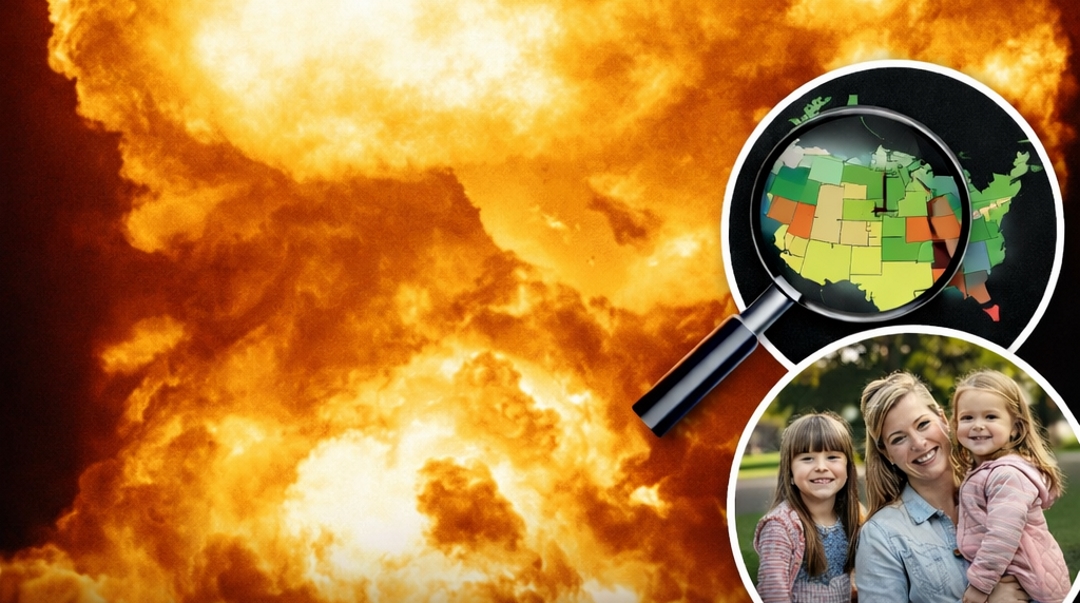
Sociologists who study public reaction to international crises say this pattern is familiar. When tensions rise globally, people naturally begin thinking locally — about their homes, their families, and the communities around them.
The search for “safe places” is less about geography and more about reassurance.
And reassurance, analysts say, ultimately comes from stability rather than location. Strong emergency systems, informed communities, and functioning institutions do far more to protect people than any particular spot on a map.
In other words, the real lesson from these discussions isn’t where someone should live during a hypothetical global crisis.
It’s how prepared societies are to prevent such a crisis from happening at all.