Russia has delivered a sharp warning to the United States and its allies following the seizure of a tanker linked to Russian interests, a move that has rapidly escalated rhetoric around missiles, naval retaliation, and the possibility of direct confrontation at sea. What began as a maritime enforcement action has now spiraled into a broader geopolitical flashpoint.
Russian officials say the tanker seizure crossed a line, framing it as part of a growing pattern of Western pressure aimed at choking off Russia’s economic lifelines. State media in described the incident as “provocative,” warning that further actions could invite military consequences rather than diplomatic responses.
The tanker in question was reportedly detained under sanctions-related authorities, but Moscow rejects that justification outright. Analysts tracking recent maritime seizures say Russia views these actions not as legal enforcement, but as economic warfare conducted on the open seas.
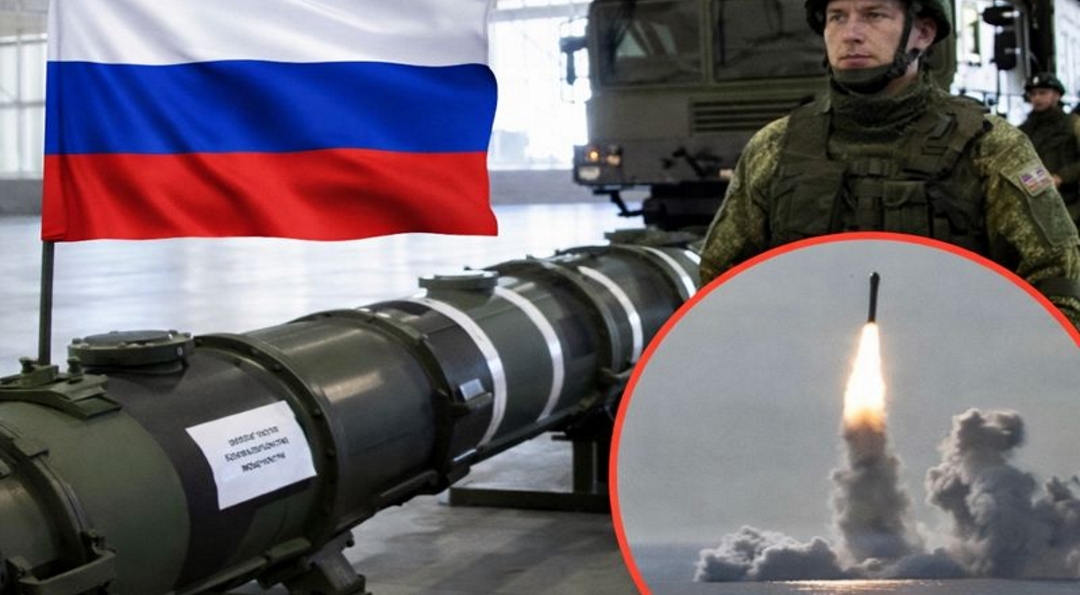
What has raised alarms is the language now being used by senior Russian defense figures. Statements referencing missiles, naval targeting, and “unacceptable interference” have fueled speculation that Moscow is signaling a willingness to respond asymmetrically — potentially at sea, where U.S. and allied warships operate in close proximity to Russian forces.
Military observers note that Russia has spent years modernizing its anti-ship missile capabilities, particularly in strategic waterways. Reports examining naval strike doctrine suggest that Moscow increasingly relies on deterrence through ambiguity, allowing rhetoric itself to become a weapon.
In Washington, officials have attempted to downplay the escalation, insisting that enforcement actions are lawful and defensive. Still, the Pentagon has quietly acknowledged that tensions are rising in contested maritime zones, especially as global shipping routes become entangled in sanctions enforcement.
The episode comes amid broader strain between Russia and the United States over Ukraine, energy exports, and NATO expansion. While no official threat has been issued against specific vessels, Russian commentators have openly discussed scenarios involving disabled or sunk warships — language that many analysts say is deliberately chosen to unsettle adversaries.
Coverage in international reporting has highlighted how quickly economic disputes are morphing into military posturing, particularly when enforcement actions occur near strategic chokepoints.
When sanctions enforcement moves onto the water, escalation risks multiply fast. Russia’s messaging is meant to be heard loud and clear. — Naval Strategy (@NavalStrategy) January 2026
Within Moscow, officials argue that Western governments are gambling with stability by testing Russia’s tolerance. They point to past incidents in the Black Sea and Baltic Sea, where close encounters between warships and aircraft nearly spiraled out of control.
Defense analysts reviewing risk escalation models warn that maritime confrontations are uniquely dangerous because they unfold rapidly and leave little room for de-escalation once weapons systems are activated.
The United States Navy has not altered its public posture, but insiders say commanders are closely monitoring Russian movements. The concern is not an intentional attack, but a miscalculation fueled by aggressive signaling and crowded waterways.
Allies watching from Europe and Asia are increasingly uneasy. Some diplomats fear that tanker seizures and retaliatory threats could become normalized, turning commercial shipping into leverage points for great-power confrontation.
This isn’t about one tanker. It’s about setting precedents at sea — and who gets to enforce rules when tensions are already boiling. — Global Maritime Watch (@MaritimeWatch) January 2026
For now, both sides appear to be stopping short of direct action. But the tone has shifted unmistakably. Russia’s warning is less about immediate retaliation and more about signaling that future seizures could carry a price far higher than diplomatic protest.
As maritime trade, military patrols, and sanctions enforcement collide, the world is once again reminded how quickly economic pressure can bleed into military risk — especially when nuclear-armed powers are involved.