
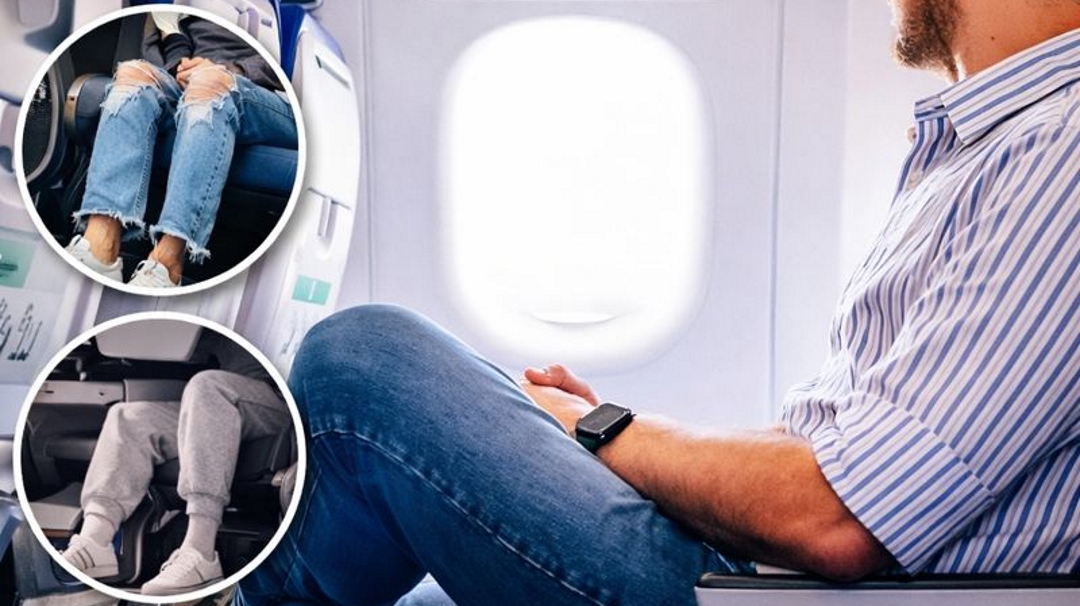
But the backlash was immediate too, and it wasn’t just stubbornness. A lot of people wear jeans on purpose when they fly, and not because they think it looks chic. Denim is practical. It’s durable, it doesn’t wrinkle the way softer fabrics can, and it handles cold cabin temperatures better than thin leggings or shorts. If you’re landing and going straight into a day of walking, meetings, or commuting, jeans feel like an easy “one outfit” solution.
Then there’s the baggage-fee argument, which might be the most emotionally loaded part of the whole thing. Budget airlines are infamous for strict luggage rules, and passengers have gotten good at wearing their bulkiest items to avoid paying. For some travellers, jeans aren’t about style at all—they’re about stuffing the carry-on with everything else and keeping the “wearable space” for heavier clothes.
The comfort crowd has their own case, and it’s not flimsy. Planes are dehydrating. Cabins run cold. People swell a little during flights. Sitting for long stretches can feel stiff and claustrophobic even in loose clothing, so tight denim can turn into a slow, miserable trap. The button digging in, the waistband biting after a snack, the legs feeling restricted when you try to shift—those are the tiny annoyances that add up until you’re angry at everyone for no reason.
And because the internet can’t resist escalating, the debate instantly jumped from “jeans are uncomfortable” to “jeans are dangerous,” with people throwing around health warnings and fear-tinged advice. There’s a kernel of truth in the idea that restrictive clothing isn’t ideal for long periods of sitting, especially for anyone already at risk of circulation issues. But most of what spreads online is less about evidence and more about vibes—comfort anxiety dressed up as medical certainty.