
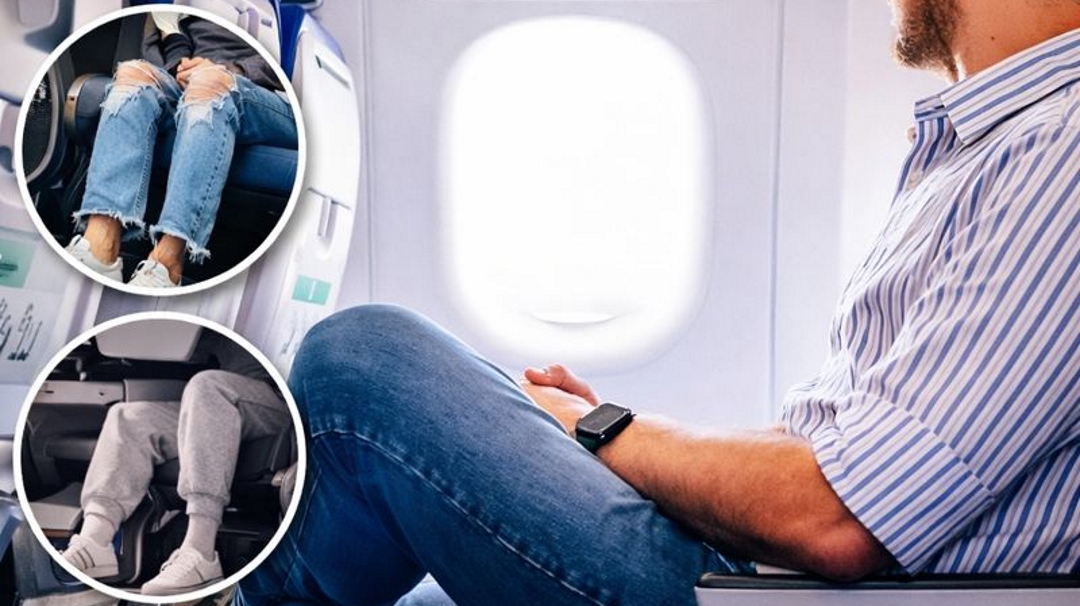
It started the way a lot of modern airline drama starts now: not with an official policy update, not with a gate announcement, but with a short social post that sounded half-joke, half-command. Ryanair told people to stop travelling in jeans, and within hours the internet was doing what it always does—turning a throwaway line into a full-blown culture fight about comfort, class, and what passengers “owe” each other at 30,000 feet.
The line itself was blunt, the kind of wording that feels designed to bait comments, and that’s exactly what happened. In one report describing the viral post, people piled into the replies to argue over whether denim is an innocent staple or the worst possible choice for cramped seats and recycled cabin air.
On the surface, it’s an unserious argument—fabric on a flight, who cares. But the reason it caught fire is because flying already makes people feel judged. Everyone is squeezed, everyone is tired, and everyone is quietly trying to avoid being “that person” in the row. Clothes become part of the stress, part of the calculation, part of the weird performance passengers put on when they know strangers will be inches away for hours.
Ryanair’s angle was basically: it’s 2026, let’s move on. The airline didn’t frame it like a safety issue or a dress code, more like a plea for passengers to embrace comfort and stop pretending denim is somehow the default uniform for travel. And for a chunk of people, that message hit a nerve in a satisfying way. They’ve spent years watching fellow travellers squeeze into skinny jeans, then squirm for the entire flight, then complain like the discomfort was inevitable.
But the backlash was immediate too, and it wasn’t just stubbornness. A lot of people wear jeans on purpose when they fly, and not because they think it looks chic. Denim is practical. It’s durable, it doesn’t wrinkle the way softer fabrics can, and it handles cold cabin temperatures better than thin leggings or shorts. If you’re landing and going straight into a day of walking, meetings, or commuting, jeans feel like an easy “one outfit” solution.
Then there’s the baggage-fee argument, which might be the most emotionally loaded part of the whole thing. Budget airlines are infamous for strict luggage rules, and passengers have gotten good at wearing their bulkiest items to avoid paying. For some travellers, jeans aren’t about style at all—they’re about stuffing the carry-on with everything else and keeping the “wearable space” for heavier clothes.
The comfort crowd has their own case, and it’s not flimsy. Planes are dehydrating. Cabins run cold. People swell a little during flights. Sitting for long stretches can feel stiff and claustrophobic even in loose clothing, so tight denim can turn into a slow, miserable trap. The button digging in, the waistband biting after a snack, the legs feeling restricted when you try to shift—those are the tiny annoyances that add up until you’re angry at everyone for no reason.
And because the internet can’t resist escalating, the debate instantly jumped from “jeans are uncomfortable” to “jeans are dangerous,” with people throwing around health warnings and fear-tinged advice. There’s a kernel of truth in the idea that restrictive clothing isn’t ideal for long periods of sitting, especially for anyone already at risk of circulation issues. But most of what spreads online is less about evidence and more about vibes—comfort anxiety dressed up as medical certainty.
What makes this story travel so far is that it’s not really about jeans. It’s about how miserable air travel has become for regular people, and how we’re constantly trying to solve that misery with tiny personal hacks. Wear this, don’t wear that. Avoid this seat, bring that pillow. Don’t drink coffee, do drink water. Suddenly the passenger is responsible for outsmarting an experience that’s designed to be bare minimum.
Ryanair knows that dynamic better than almost any airline. Its brand online often leans into trolling humour and exaggerated “advice,” and the jeans post lands in that same lane—provocative, meme-friendly, and guaranteed to produce free publicity. In a write-up capturing the divided reaction, you can see how quickly the comments split into two familiar camps: “finally someone said it” versus “mind your business, I’ll wear what I want.”
That second camp has a point too. People are already policed enough when they travel, especially women, plus-size passengers, and anyone who doesn’t fit the narrow “acceptable” look strangers have in their heads. Even when an airline is joking, the message can feel like one more finger wag in a world that already makes passengers feel watched.
Still, there’s something funny about how personal it got. Jeans are one of the most universal items in modern wardrobes, which is why telling people to ditch them hits like an insult. It’s not like banning stilettos on a hike. It’s denim. It’s normal. So when someone says “stop,” people hear, “you’re doing it wrong,” and they respond like they’re defending their identity instead of their outfit.
The more honest takeaway is simple: wear what helps you survive the flight without turning into a tense, miserable version of yourself. If that’s jeans because you’re freezing and you want pockets and you want to look put-together, fine. If it’s loose joggers because you’re swollen by hour three and you’d rather be comfortable than cute, fine too. The plane doesn’t care, but your body absolutely will.
Ryanair’s post will fade, like most viral travel debates do, but the reason it worked is because it tapped into something real. Flying makes people feel powerless, and clothes are one of the few things we can control. So when an airline tosses out a “rule” that isn’t a rule, people react like it’s the last straw—because sometimes, emotionally, it is.