Legal scholars note that invoking Section 4 would require the cooperation of the vice president and a majority of Cabinet officials — a high bar politically and procedurally. Even if triggered, Congress would ultimately vote on the president’s status, requiring a two-thirds majority in both chambers to sustain removal.
Political observers say the controversy underscores how the 25th Amendment has increasingly entered mainstream political rhetoric. During past administrations, lawmakers have occasionally floated the idea, though no formal action materialized.
In 2021, following the January 6 Capitol attack, discussion of the amendment intensified. At that time, House Speaker Nancy Pelosi formally urged then–Vice President Mike Pence to consider its use. Coverage from BBC News detailed the constitutional mechanics and political implications of the proposal.
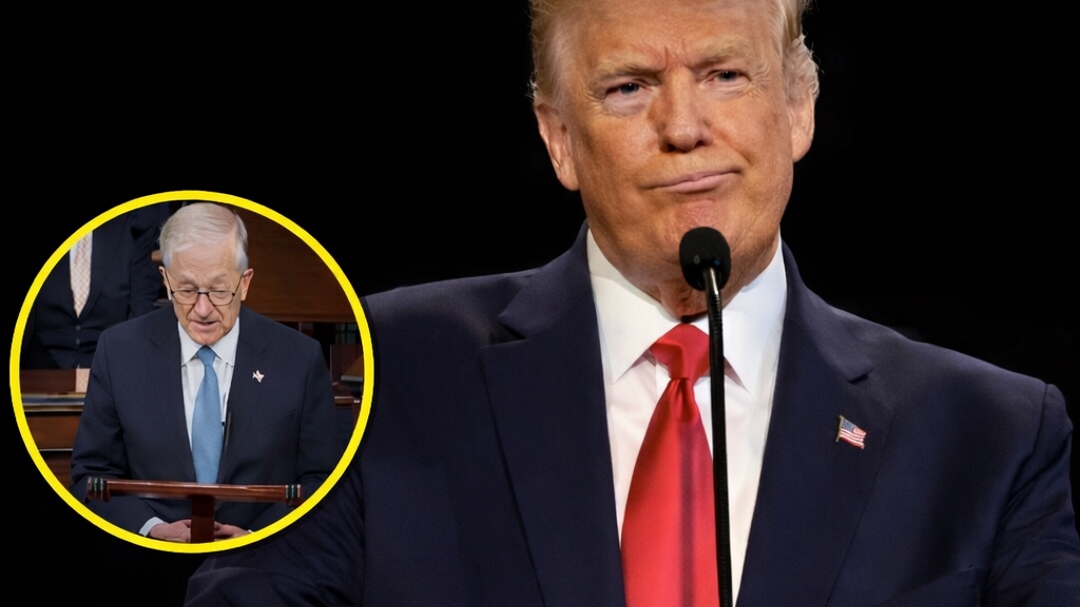
The current senator did not indicate whether conversations have taken place with Cabinet officials or the vice president, instead emphasizing that “all constitutional options should remain on the table.”
Republican leaders dismissed the statement as symbolic rather than actionable, pointing out that no formal resolution has been introduced. Some suggested the move is intended to generate headlines rather than initiate a viable constitutional process.
Meanwhile, Democratic lawmakers are divided. A few voiced support for exploring constitutional safeguards if warranted, while others cautioned against escalating rhetoric without clear legal grounds.
Public reaction has been predictably polarized. On social media, supporters of Trump framed the call as proof of entrenched opposition unwilling to accept electoral outcomes. Others argued that constitutional accountability is foundational to democratic governance.