At the heart of the controversy is a simple question: what does it mean to “never lose again” in a democracy? In legitimate politics, you work to win more votes. In illegitimate politics, you work to ensure the other side can’t win even when they do.
The U.S. system is built on the premise that voters can fire leaders. That idea is embedded in the architecture of democratic government, in constitutional limits, and in the expectation that power is temporary — a principle reflected in the constitutional structure and protections outlined in the National Archives’ official transcript of the U.S. Constitution and the framework it sets for transferring and limiting authority.
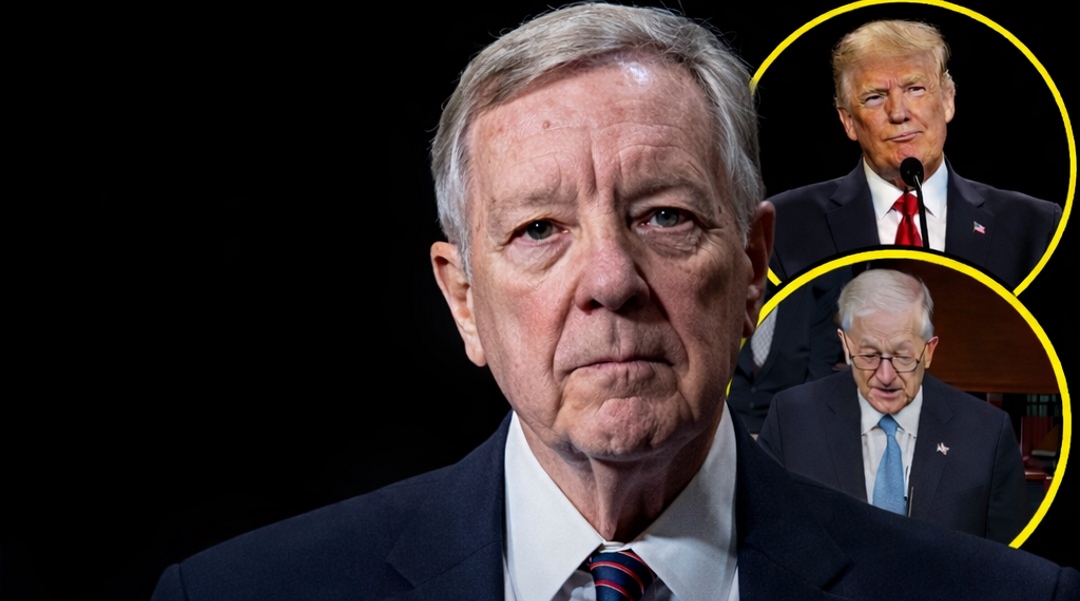
The senator’s warning also taps into a broader cultural shift: the normalization of permanent political warfare. When every election is cast as existential, the temptation grows to treat the rules as weapons and the referee as an enemy.
That’s why phrases like “manipulate elections” spread so fast. They describe a fear that many people already carry, even if they disagree on which side is responsible.
What happens next depends on whether this warning stays in the realm of viral rhetoric or becomes a focused national debate about safeguards. If the argument is that the system can be bent, the response isn’t just outrage — it’s transparency, oversight, and clear lines that can’t be crossed without consequences.
Because the most destabilizing outcome isn’t one side winning. It’s a country that stops believing it can ever fairly lose — and starts treating democracy like something to be owned instead of shared.