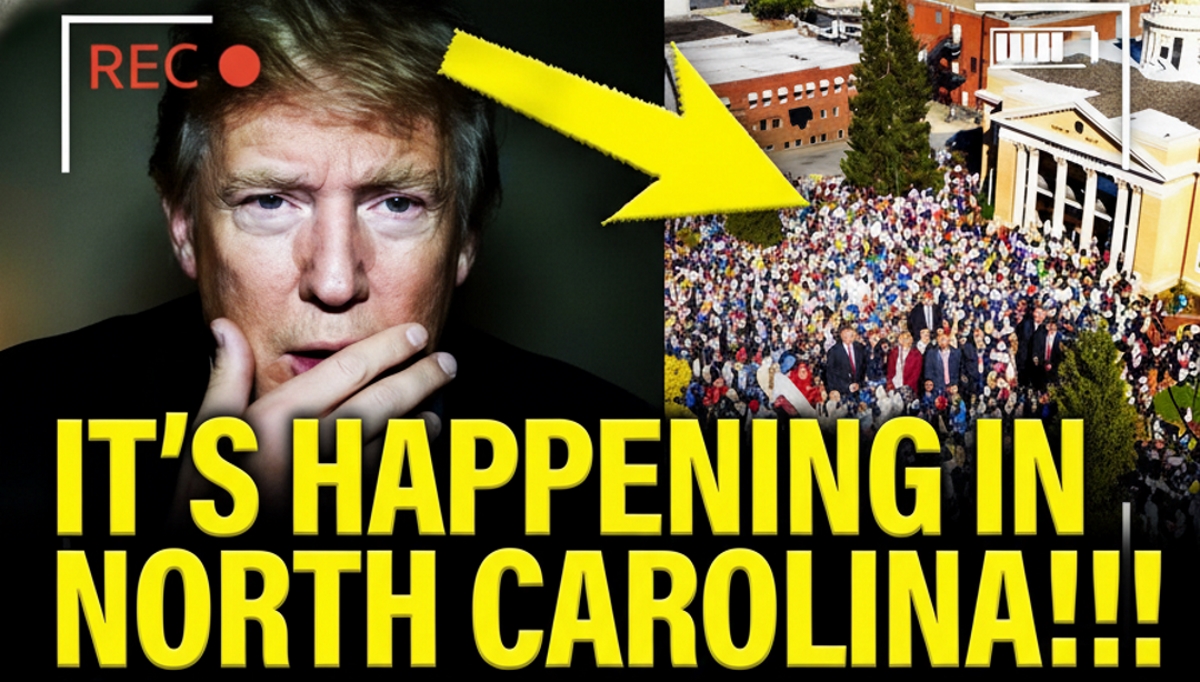
Recent polling and electoral data suggest that the Republican Party’s stronghold in North Carolina — long considered a “red” anchor state — may be showing cracks, as changing demographics, voter turnout patterns, and shifting public opinion hint at a more uncertain future for MAGA-era dominance. Analysts tracking these trends see both warning signs and potential for a political realignment. (an NBC News analysis)
One of the most telling indicators is the narrowing margin in recent statewide polls. For example, a December 2025 survey showed independents and younger voters in key suburban counties leaning slightly toward Democratic candidates — a swing from previous election cycles that heavily favored Republican turnout. (a recent Politico polling report) The change in suburban sentiment has raised alarms in GOP circles about whether their traditional base will hold in 2026 and beyond.
Further compounding the unease: turnout data from the 2024 midterms revealed lower engagement among rural voters, a demographic group that historically formed the backbone of GOP support. This drop, documented in an independent turnout report, corresponded with gains in urban and suburban precincts traditionally leaning blue — suggesting a shifting electorate rather than a momentary blip.
Commentators observing these shifts argue that the GOP’s recent legal and social controversies — ranging from internal leadership disputes to national investigations — may be contributing to a broader erosion of trust among moderate conservatives and swing voters. One political analyst tweeted:
When people start questioning which values the party truly represents — freedom or fear — you know the foundation is shaking. Suburbs become battlegrounds when trust fades. — L. Martinez (@LMartinezAnalysis) Dec 6, 2025
Adding to the complexity is a growing youth vote. Younger North Carolinians — interviewed in a Charlotte Observer youth poll overview — cited issues like climate change, economic inequality, and social justice as high priorities, while many expressed skepticism about MAGA-style politics. Their concerns diverge significantly from older generations, indicating long-term generational shifts that could reshape the state’s political identity.
Meanwhile, national trends mirror the state’s uncertainty. Several swing-state surveys recently showed that essential swing groups — suburban women, Latino voters in Sunbelt states, and younger independents — are increasingly distancing themselves from strong partisanship, even as they express disenchantment with both major parties. (a Pew Research center report)
Partisanship used to mean identity. Now it feels like liability to many. That shift doesn’t end at one election — it changes political DNA. — R. Chen (@ChenCivic) Dec 6, 2025
Election strategists watching North Carolina say that if these patterns continue, Republican candidates may find it harder to win statewide offices — not just U.S. Senate or presidential races, but governor, attorney general, and key legislative seats. Internal memos cited in a Roll Call insider summary warn of potential “wake-up calls” if turnout doesn’t rebound among traditional GOP demographics.
At the same time, some Democrats and progressive organizers see opportunity. They highlight expanding registration efforts among younger and urban voters, citing a civic outreach report that describes record engagement in previously underrepresented communities. If those efforts hold, they may significantly alter political dynamics in the state — potentially making North Carolina a far less predictable “swing” state over the next two election cycles.
Critics of this emerging narrative urge caution. They point to recent midterm results where Republicans still held several key seats, arguing that while poll shifts are real, electoral outcomes remain uncertain. They also note that voter sentiment can fluctuate quickly, especially in states with volatile demographics and high population growth — a nuance discussed in an ABC News electoral analysis.
For now, what’s clear is that the old assumptions — that North Carolina = safe red state, that MAGA support is unshakeable, that rural votes alone win statewide races — are being challenged. Whether this marks a temporary shift or the beginning of a long-term realignment remains to be seen. But many political watchers now agree: 2026 might be the most unpredictable election cycle for the state in decades.