
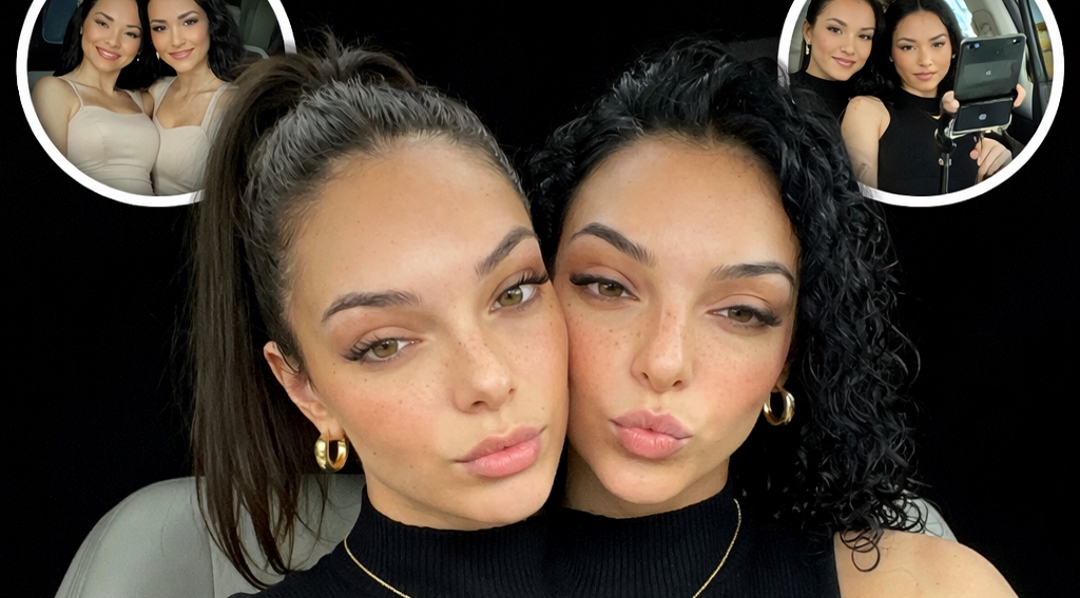
2. Online allegations often spread faster than verified information
The recent wave of controversy illustrates a broader digital media pattern: allegations, particularly sensational or emotionally charged ones, tend to circulate widely before confirmation or clarification appears. Social media algorithms frequently amplify controversial claims because they generate high engagement, regardless of accuracy.
Media literacy researchers warn that rare medical conditions and unique personal stories are especially vulnerable to misinformation. Because audiences are less familiar with medical realities surrounding conjoined twins, inaccurate speculation can gain traction quickly. In analysis exploring how health-related misinformation spreads online, researchers emphasize that emotionally compelling content often travels farther and faster than factual corrections.
This dynamic can place individuals at the center of viral narratives before they have the opportunity—or sometimes the ability—to respond.
3. Influencer income models can unintentionally increase public skepticism
Many social media creators, including influencers living with disabilities or rare conditions, rely on sponsorships, advertising partnerships, and brand collaborations to support their content. While this income model is standard across influencer industries, critics sometimes question authenticity when medical or personal experiences intersect with monetized content.
Ethics experts say this skepticism often reflects broader distrust toward influencer marketing rather than specific wrongdoing. Influencers who share medical journeys frequently face accusations that personal health or identity is being commercialized, even when educational advocacy is the primary goal.
For conjoined twin influencers, whose lives naturally involve medical realities, balancing education, privacy, and financial sustainability can become particularly complex. Public misunderstanding of that balance has fueled portions of the recent online controversy.
4. Privacy boundaries are especially difficult for influencers with rare medical conditions
Conjoined twins often live with lifelong medical monitoring, physical interdependence, and unique health considerations. When individuals choose to share aspects of that life publicly, audiences sometimes assume entitlement to detailed medical or personal information.