
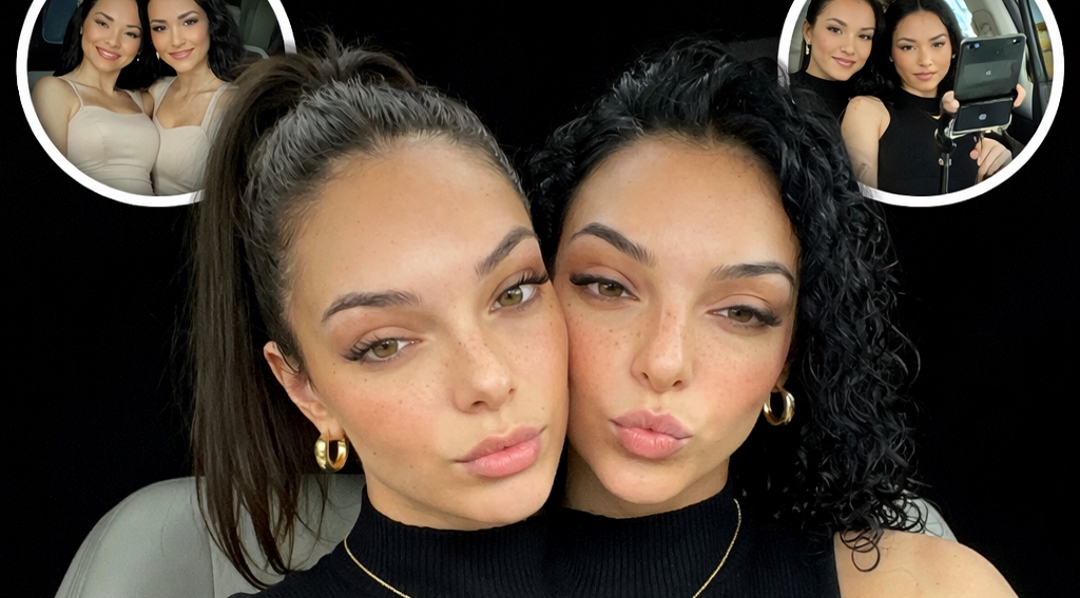
Social media has created an entirely new kind of celebrity—one where personal identity, private life, and medical uniqueness can become global content within seconds. Among the most widely followed are conjoined twin influencers who have built large audiences by sharing daily routines, life milestones, and personal perspectives. Recently, renewed online allegations and viral speculation involving one high-profile conjoined twin influencer account have triggered intense debate, drawing attention not only to the twins themselves but also to the complicated intersection of disability visibility, internet fame, and online rumor culture.
While many claims circulating online remain unverified or misunderstood, the controversy has revealed several deeper truths about influencer culture, public curiosity, and how rapidly narratives can spread across digital platforms. These six key realities explain why the situation has captured global attention.
1. Viral attention often blurs the line between personal storytelling and public scrutiny
Conjoined twin influencers frequently share intimate details about daily life, relationships, health challenges, and career achievements. Their content often aims to educate audiences about living with rare medical conditions while normalizing experiences that are often misunderstood.
However, experts in disability advocacy note that visibility can also attract invasive curiosity. When influencer accounts reach hundreds of thousands of followers, routine posts can become subjects of intense public speculation. In reporting examining how disability influencers navigate public attention, advocates explain that audiences often struggle to separate respectful interest from intrusive questioning, especially when medical conditions become part of public identity.
This environment can create pressure for influencers to address rumors quickly, even when those rumors originate from misinformation or online misinterpretation.
2. Online allegations often spread faster than verified information
The recent wave of controversy illustrates a broader digital media pattern: allegations, particularly sensational or emotionally charged ones, tend to circulate widely before confirmation or clarification appears. Social media algorithms frequently amplify controversial claims because they generate high engagement, regardless of accuracy.
Media literacy researchers warn that rare medical conditions and unique personal stories are especially vulnerable to misinformation. Because audiences are less familiar with medical realities surrounding conjoined twins, inaccurate speculation can gain traction quickly. In analysis exploring how health-related misinformation spreads online, researchers emphasize that emotionally compelling content often travels farther and faster than factual corrections.
This dynamic can place individuals at the center of viral narratives before they have the opportunity—or sometimes the ability—to respond.
3. Influencer income models can unintentionally increase public skepticism
Many social media creators, including influencers living with disabilities or rare conditions, rely on sponsorships, advertising partnerships, and brand collaborations to support their content. While this income model is standard across influencer industries, critics sometimes question authenticity when medical or personal experiences intersect with monetized content.
Ethics experts say this skepticism often reflects broader distrust toward influencer marketing rather than specific wrongdoing. Influencers who share medical journeys frequently face accusations that personal health or identity is being commercialized, even when educational advocacy is the primary goal.
For conjoined twin influencers, whose lives naturally involve medical realities, balancing education, privacy, and financial sustainability can become particularly complex. Public misunderstanding of that balance has fueled portions of the recent online controversy.
4. Privacy boundaries are especially difficult for influencers with rare medical conditions
Conjoined twins often live with lifelong medical monitoring, physical interdependence, and unique health considerations. When individuals choose to share aspects of that life publicly, audiences sometimes assume entitlement to detailed medical or personal information.
Medical ethicists emphasize that individuals with rare conditions maintain the same right to privacy as anyone else, regardless of public visibility. However, social media audiences frequently expect constant transparency from influencers, particularly when those influencers build platforms around personal storytelling.
The recent allegations highlight how quickly public curiosity can transform into invasive speculation, particularly when followers attempt to interpret personal relationships, medical realities, or lifestyle choices without full context.
5. Representation of disability in mainstream media remains limited
Another major factor behind viral attention is the relative rarity of conjoined twin representation in mainstream entertainment and media. When audiences encounter individuals living successfully and independently with rare medical conditions, reactions often include fascination mixed with misunderstanding.
Disability representation advocates note that social media has helped expand public awareness, but it has also introduced challenges. Positive visibility can educate audiences, but it can also attract sensationalized storytelling that focuses on shock value rather than lived experience.
Influencers in this space frequently find themselves navigating dual roles—educators and entertainers—while managing public curiosity that may cross respectful boundaries. The recent controversy reflects how fragile that balance can become once viral allegations emerge.
6. The situation highlights growing demands for responsible digital consumption
Perhaps the most significant takeaway from the controversy involves the role audiences play in shaping influencer narratives. Digital culture encourages rapid sharing, emotional reaction, and viral amplification, often without verifying information accuracy.
Communication scholars increasingly stress that social media audiences must approach sensational claims with caution, particularly when those claims involve individuals living with rare medical conditions or disabilities. Misinformation can cause real psychological harm, amplify stigma, and create long-term reputational consequences even when allegations are later disproven.
Influencers, especially those navigating complex medical realities, often face emotional stress when responding to viral speculation. Public scrutiny can blur the line between education and exploitation, creating difficult decisions about how much personal information to share moving forward.
The controversy surrounding conjoined twin influencers reflects a broader transformation in modern celebrity culture. Social media has allowed individuals with rare experiences to build communities, advocate for awareness, and redefine representation. At the same time, it has exposed them to unprecedented levels of public judgment and rumor-driven narratives.
While online allegations continue circulating, experts emphasize that respectful engagement, critical media literacy, and empathy remain essential when discussing individuals whose lives already involve extraordinary physical and emotional complexity. As influencer culture continues evolving, situations like this serve as powerful reminders that viral fame often carries hidden pressures that audiences rarely see behind the screen.