Comments like that would have been almost unheard of in earlier phases of Trump’s political rise. Back then, criticism from outside the movement often strengthened loyalty within it. Supporters viewed attacks from media and political opponents as proof that Trump was challenging a system they already distrusted.
Now, however, the questions are coming from inside the circle as well.
Part of the tension comes from the unusual place Trump occupies in American politics. He is both a former president and a continuing political force who dominates headlines, shapes party debates, and commands massive attention every time he speaks.
That visibility keeps expectations high. Every speech, policy position, and legal battle is examined not only by critics but also by people who once defended him without hesitation.
Some supporters say their concerns are strategic rather than personal. They worry about electability, about whether ongoing controversies could affect future elections, and about how independent voters might react. In private conversations at political events, those questions come up more often than they used to.
Others frame the issue differently. They argue that the political movement Trump helped build has grown beyond any single figure and needs to focus on long-term goals rather than constant battles.
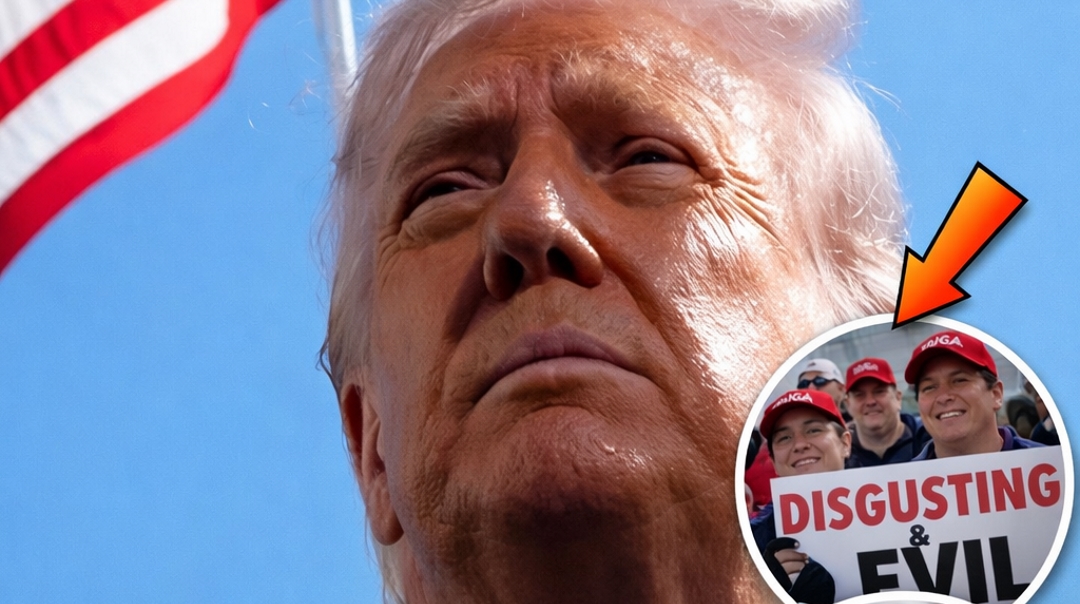
Still, many voters remain fiercely loyal. At rallies across the country, thousands continue to cheer loudly, wear campaign gear, and defend Trump’s record in interviews with reporters. The idea that his support has collapsed simply isn’t supported by turnout or polling in most Republican circles.
What seems to be changing instead is the tone of discussion.