Political strategists say movements often reach this stage after years in the spotlight. Early enthusiasm eventually evolves into debate about direction, leadership style, and the future of the cause itself. That doesn’t necessarily mean the movement is weakening — sometimes it means it’s maturing.
Trump’s critics argue the emerging criticism proves his influence is fading. His allies dismiss that claim entirely, saying disagreement within a large political coalition is normal and healthy. Both sides, in different ways, are trying to shape the narrative of what the moment actually represents.
Meanwhile, the former president continues campaigning and speaking with the same confrontational tone that defined his rise. At recent events, he has doubled down on familiar themes: media distrust, political outsiders versus the establishment, and promises to reshape Washington.
Those messages still resonate strongly with millions of voters.
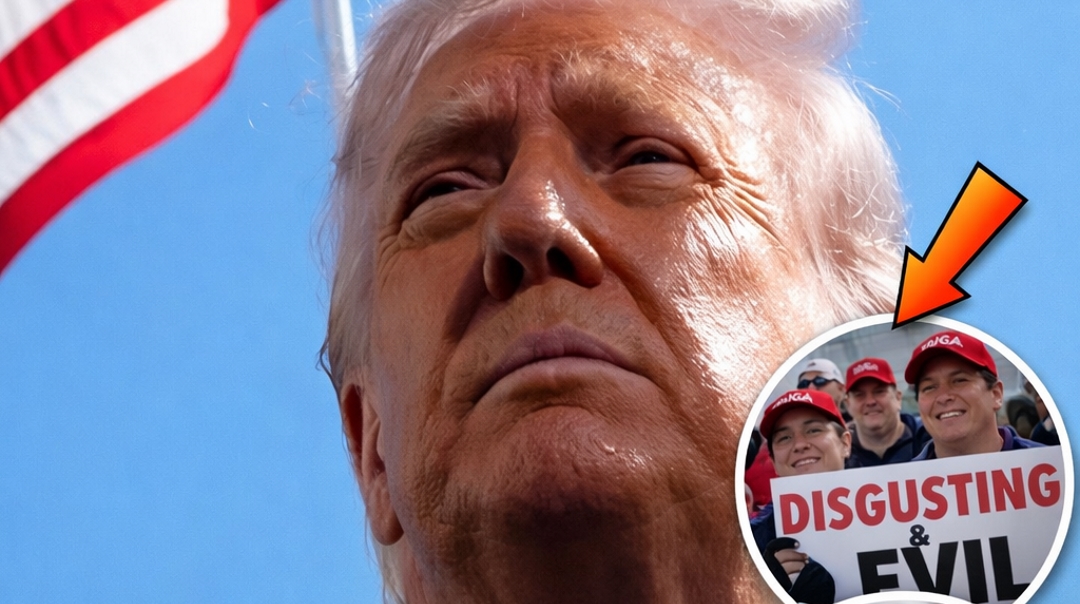
But for a smaller segment of his longtime supporters, the conversation has become more complicated. Some say they’re not abandoning him — they’re simply evaluating what comes next. Others insist the criticism is being exaggerated by media coverage that has long opposed him.
The truth may lie somewhere in between. Political loyalty rarely disappears overnight. More often, it changes slowly, through conversations at kitchen tables, debates among friends, and moments when voters reassess what they want from leaders they once followed without hesitation.
Whether this emerging frustration grows into something larger or fades as past controversies have is still unclear. American politics has repeatedly shown that predictions about Trump’s support can be wrong in both directions.
For now, one thing is certain: the discussion inside his own base is no longer as simple as it once was.