The comment also highlights how modern politics is shaped by viral soundbites. Within hours, the quote circulated widely on social media platforms, prompting heated exchanges. Supporters reposted it as evidence of changing tides. Opponents framed it as wishful thinking detached from voter reality.
Some independent voters interviewed in recent months describe a sense of fatigue rather than clear allegiance. They express frustration with partisan gridlock and a desire for pragmatic governance. Whether that translates into regret over past votes is difficult to measure.
For Democrats, the strategic value lies in suggesting cracks within the Republican coalition. Even modest shifts among suburban voters or younger conservatives could alter future electoral outcomes. Messaging that hints at dissatisfaction among Trump supporters aims to amplify those potential fractures.
For Republicans, the priority is reinforcing unity and framing criticism as partisan exaggeration. They argue that policy achievements and economic indicators remain persuasive to their base. In their view, voter regret narratives underestimate the resilience of core supporters.
The broader context is an America that continues to grapple with trust in institutions. Confidence in Congress, the presidency, and the media has fluctuated in recent years. Political messaging increasingly seeks to tap into that uncertainty.
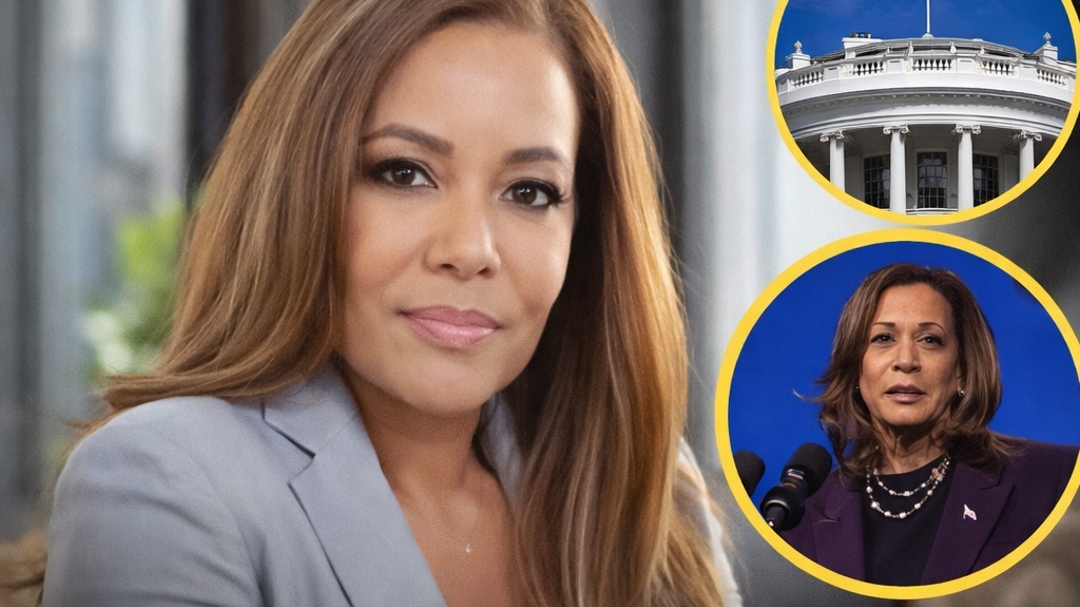
Whether significant numbers of Trump voters truly wish for a Harris presidency is ultimately an empirical question that only future elections can answer. For now, the remark functions as a symbolic challenge — an attempt to redefine the narrative about who feels satisfied and who feels disappointed.
As 2026 unfolds, the conversation will likely intensify. Approval ratings, economic indicators, and international developments will shape voter perceptions. Political figures on both sides will continue to test messages that resonate with the middle.
What is clear is that voter sentiment is rarely static. Elections are snapshots in time, but public opinion evolves. In that shifting landscape, even a single provocative sentence can ignite days of debate — and signal how both parties are positioning themselves for the next chapter in American politics.