
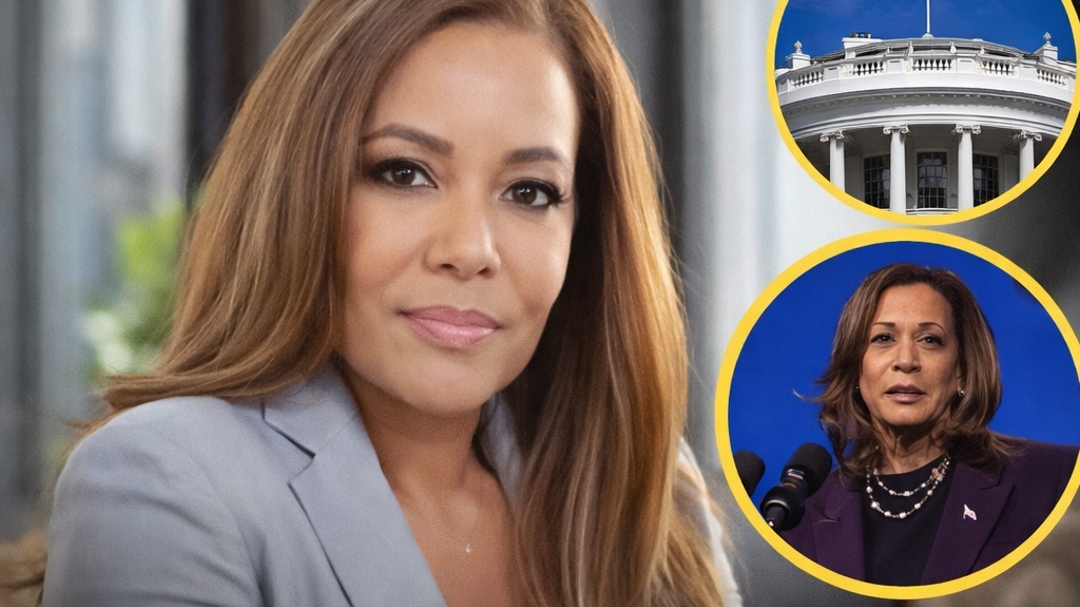
A pointed political remark is stirring conversation across Washington and beyond after a prominent Democratic voice suggested that “a lot of people who voted for Trump” may now wish Kamala Harris were in the White House. The comment, delivered during a televised discussion about voter sentiment in early 2026, has quickly become a flashpoint in an already volatile political climate.
The statement was not framed as hard data but as an observation about shifting public mood. Still, it landed with force. Supporters argue it reflects growing frustration among moderate Republicans and independents who feel disillusioned. Critics dismiss it as partisan spin designed to energize Democrats ahead of the next election cycle.
Public opinion surveys show a country that remains deeply divided, yet increasingly fluid. According to recent polling trends tracked by FiveThirtyEight’s national approval averages, presidential approval ratings have fluctuated sharply over the past year, suggesting volatility rather than entrenched loyalty. Analysts note that such swings often create space for political narratives about regret or reconsideration.
The comment about Trump voters potentially wishing for Harris underscores a broader conversation about political buyer’s remorse. Historically, second-term or returning presidents often face a recalibration of expectations. When economic pressures, international crises, or domestic controversies mount, some voters reassess their decisions.
In 2026, economic concerns remain front and center. Inflation has cooled from earlier peaks but continues to shape household budgets. Housing affordability, healthcare costs, and student debt are persistent issues. Democrats argue that these pressures have led some voters to reconsider what leadership style they prefer.
Republicans counter that dissatisfaction is not unique to one party. They point to border policy disputes, cultural debates, and lingering concerns over government spending as evidence that political frustration cuts both ways. In their view, suggesting Trump voters broadly regret their choice oversimplifies a complex electorate.
Vice President Kamala Harris remains a polarizing figure. Her supporters highlight her experience in the Senate and executive branch, along with her focus on voting rights and criminal justice reform. Critics question her approval ratings and communication strategy during previous campaign cycles.
Yet Harris’s national profile has remained strong. As Vice President, she continues to represent the administration on international visits and domestic policy rollouts. Her visibility means any suggestion that she could have been a preferable alternative to Trump carries symbolic weight.
Political scientists say such comments function less as empirical claims and more as narrative framing. By asserting that some Trump voters might prefer Harris in hindsight, Democrats aim to signal momentum and openness among swing voters. It is a way of projecting vulnerability onto the opposition.
Polling data from 2026 shows an electorate that is neither firmly locked in nor dramatically realigned. According to aggregated national surveys available through RealClearPolitics’ polling database, approval numbers for major political figures remain competitive but not dominant. That dynamic leaves room for rhetorical battles over perception.
The comment also highlights how modern politics is shaped by viral soundbites. Within hours, the quote circulated widely on social media platforms, prompting heated exchanges. Supporters reposted it as evidence of changing tides. Opponents framed it as wishful thinking detached from voter reality.
Some independent voters interviewed in recent months describe a sense of fatigue rather than clear allegiance. They express frustration with partisan gridlock and a desire for pragmatic governance. Whether that translates into regret over past votes is difficult to measure.
For Democrats, the strategic value lies in suggesting cracks within the Republican coalition. Even modest shifts among suburban voters or younger conservatives could alter future electoral outcomes. Messaging that hints at dissatisfaction among Trump supporters aims to amplify those potential fractures.
For Republicans, the priority is reinforcing unity and framing criticism as partisan exaggeration. They argue that policy achievements and economic indicators remain persuasive to their base. In their view, voter regret narratives underestimate the resilience of core supporters.
The broader context is an America that continues to grapple with trust in institutions. Confidence in Congress, the presidency, and the media has fluctuated in recent years. Political messaging increasingly seeks to tap into that uncertainty.
Whether significant numbers of Trump voters truly wish for a Harris presidency is ultimately an empirical question that only future elections can answer. For now, the remark functions as a symbolic challenge — an attempt to redefine the narrative about who feels satisfied and who feels disappointed.
As 2026 unfolds, the conversation will likely intensify. Approval ratings, economic indicators, and international developments will shape voter perceptions. Political figures on both sides will continue to test messages that resonate with the middle.
What is clear is that voter sentiment is rarely static. Elections are snapshots in time, but public opinion evolves. In that shifting landscape, even a single provocative sentence can ignite days of debate — and signal how both parties are positioning themselves for the next chapter in American politics.