
Hollywood is built on silence as much as spectacle. Careers survive because certain truths are never spoken out loud, quietly protected behind polished interviews and controlled narratives. But every once in a while, a celebrity ignores that rule and shares something so personal it permanently alters how the public sees them.
When famous figures openly talk about how many people they’ve slept with, the reaction is rarely neutral. Some are applauded, others mocked, and many are judged in ways that expose deep cultural double standards. These confessions didn’t come from leaks or court filings — they were offered freely, often during unguarded interview moments, and once spoken, they couldn’t be erased.
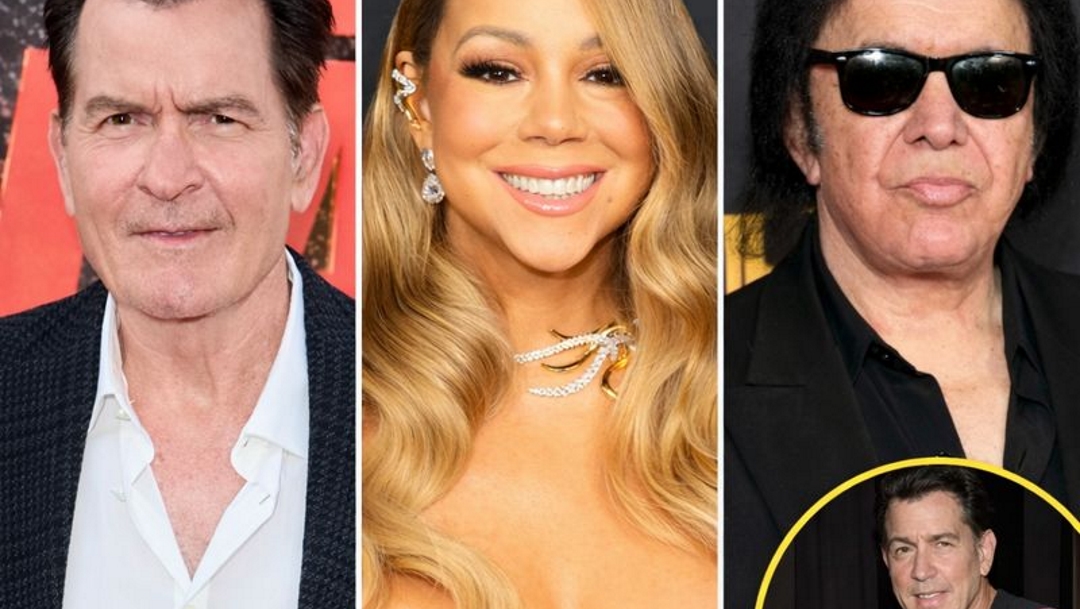
Charlie Sheen remains one of the most infamous examples. During the peak of his public meltdown, the actor claimed he had slept with more than 5,000 women, a figure he shared during a string of chaotic media appearances that were widely replayed and analyzed. The number alone stunned audiences, but the timing made it darker.
Sheen’s comment landed amid addiction struggles, erratic behavior, and mounting concern about his health. What once sounded like bragging was later reexamined after details about his HIV diagnosis became public through intimate disclosures and interviews, reframing the claim as something far more unsettling than provocative.
Rock culture has long celebrated sexual extremes, and few embraced that image more fully than Gene Simmons. The KISS bassist repeatedly claimed he slept with over 5,000 women, a number he folded into books, interviews, and even reality television segments that were treated as rock folklore rather than confessions.
But years later, Simmons acknowledged that the lifestyle came with emptiness. In later reflections shared during career-spanning interviews, he admitted that endless encounters didn’t equal fulfillment, quietly undercutting decades of bravado that once defined his persona.
Mariah Carey’s confession shocked people for the opposite reason. In a candid conversation that quickly spread across entertainment news cycles, she revealed she had slept with only five people in her life. Instead of admiration, the reaction was disbelief, ridicule, and invasive speculation.
While male celebrities are often celebrated for high numbers, Carey’s honesty was treated like a mystery that needed solving. The backlash highlighted how women’s sexuality is still policed differently, a theme critics later unpacked in broader cultural analysis of celebrity treatment.
Lamar Odom’s admission carried far heavier emotional weight. The former NBA star revealed he had slept with more than 2,000 women, connecting the number directly to addiction and self-destruction in deeply personal interviews that followed his near-fatal health crises.
Odom described sex as an escape rather than a conquest, a behavior intertwined with substance abuse and emotional collapse. His honesty reframed sexual excess not as glamour, but as a warning sign often ignored until consequences become impossible to escape.
What ties these confessions together isn’t the shock value of the numbers themselves. It’s what happens after they’re spoken — reputations harden, narratives shift, and private behavior becomes permanent public identity. In an industry obsessed with control, these moments of raw honesty cut deepest.
Sometimes, the most revealing part isn’t how much is said, but how uncomfortable everyone becomes once the truth is out in the open.