The Super Bowl halftime show is supposed to be untouchable territory, a cultural moment so massive that even mild criticism can ignite a national argument. This year, that argument arrived fast and loud. Within minutes of the final beat dropping, a wave of commentary labeled the performance “the worst of the century,” a phrase that spread across timelines like a spark hitting dry grass.
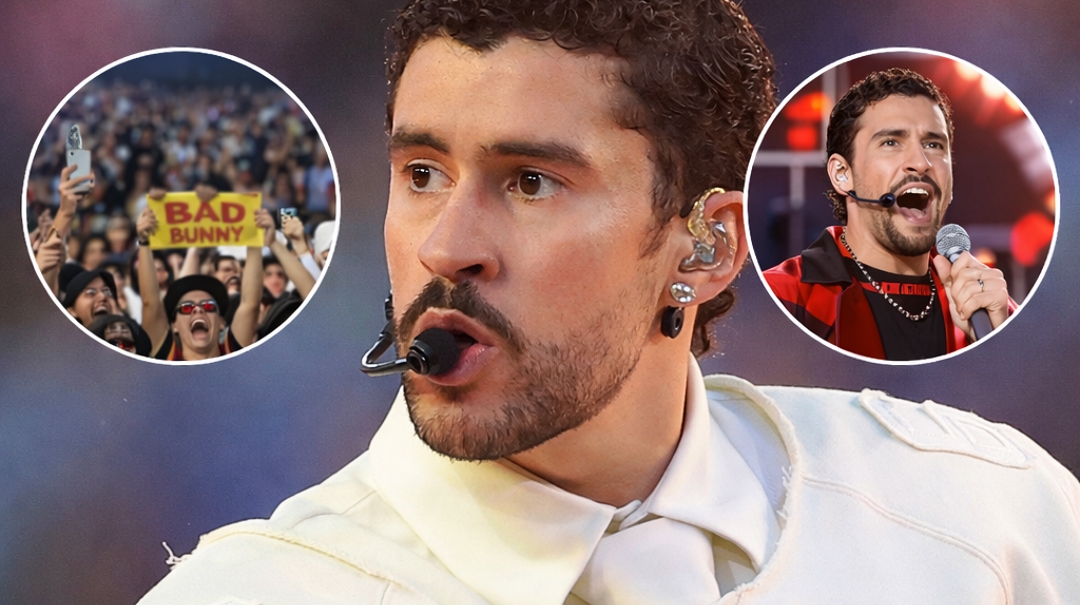
At the center of the storm was Bad Bunny, one of the most streamed artists on the planet, whose global dominance didn’t protect him from the blunt force of American sports-and-entertainment discourse. The reaction wasn’t subtle. It was polarized, emotional, and relentless, with critics declaring the show flat, confusing, or disconnected from what they believe a Super Bowl audience wants.
But almost immediately, the backlash to the backlash began.
Fans pushed back hard, arguing that the criticism revealed less about the performance and more about who the halftime show is still expected to serve. Social media filled with posts accusing detractors of ignoring Latin music’s influence, dismissing bilingual artistry, and clinging to outdated expectations of spectacle.
Some viewers complained the performance lacked the bombast of previous years. Others fixated on staging choices, pacing, or the absence of surprise guest appearances. A few high-profile commentators took it further, declaring it an all-time low point for the halftime tradition, language that poured fuel on an already burning conversation.