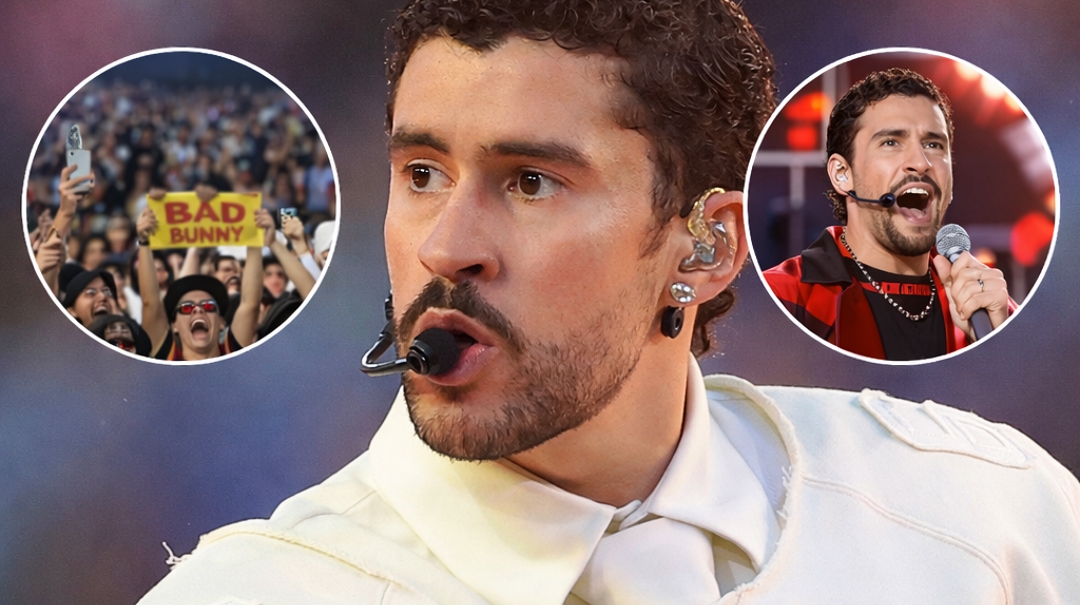
Yet defenders pointed out that the halftime show has never been a monolith. Over the decades, it has reflected shifts in culture, taste, and demographics, often lagging behind what the broader public is actually listening to. For Bad Bunny supporters, the criticism felt like a refusal to accept that the center of pop culture no longer looks or sounds the same.
Within hours, fan-shot videos from inside the stadium began circulating, showing packed sections dancing, singing along, and waving Puerto Rican flags. Clips from international viewers poured in as well, many expressing disbelief that a performance celebrated across Latin America was being dismissed so harshly in U.S. media.
One widely shared thread argued that calling the show “the worst of the century” ignored the reality that Bad Bunny is not a niche act, but one of the most commercially successful musicians alive, with stadium tours and streaming numbers that dwarf many past halftime headliners.
Critics, however, stood firm. Some argued that popularity alone doesn’t translate to a compelling halftime experience. Others said the show felt more like a tour stop than a once-in-a-lifetime event. The debate quickly became less about choreography or sound mixing and more about cultural ownership of the Super Bowl itself.
Media coverage reflected the divide. A detailed recap published by The New York Times’ breakdown of the halftime performance noted the generational and cultural split in reactions, highlighting how younger and international audiences responded far more positively than older, traditional viewers.
Bad Bunny himself didn’t immediately engage with the criticism, a move some interpreted as confidence and others as avoidance. When commentary continued to snowball, supporters flooded platforms with reminders of his record-breaking career, emphasizing that global impact does not require universal approval.