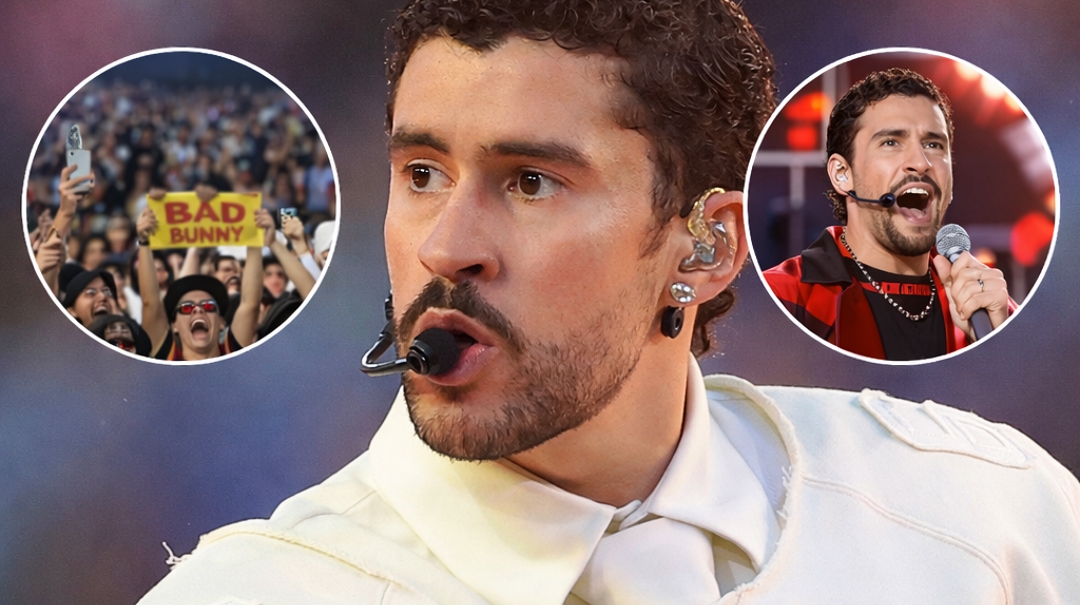
Several musicians and industry figures weighed in, cautioning against judging halftime shows solely through a narrow cultural lens. They pointed out that previous performances initially criticized have later been reevaluated more kindly, once the noise of the moment faded.
In fan spaces, the narrative shifted from defense to pride. Posts reframed the controversy as proof that Latin artists are now prominent enough to provoke discomfort in spaces that once ignored them entirely. For many, the outrage wasn’t a failure, but a sign of change.
Rolling Stone’s analysis of the response, published the following day, described the moment as a cultural flashpoint rather than a simple performance review, noting how the reaction to Bad Bunny’s halftime show exposed deep divides in audience expectations.
What’s clear is that the halftime show no longer exists in a neutral zone. Every choice, from language to wardrobe to rhythm, becomes symbolic. For Bad Bunny, the night cemented his place not just as an entertainer, but as a lightning rod for broader conversations about representation and power in American pop culture.
Whether the performance will be remembered as a misstep or a misunderstood milestone remains to be seen. History suggests that time often softens the harshest verdicts. What won’t fade is the intensity of the response, or the reality that fans were just as loud as critics, refusing to let a single narrative define the moment.
In a league built on spectacle, the loudest takeaway may not be whether the show was great or terrible, but that it forced the Super Bowl audience to confront how much the world around it has already changed.