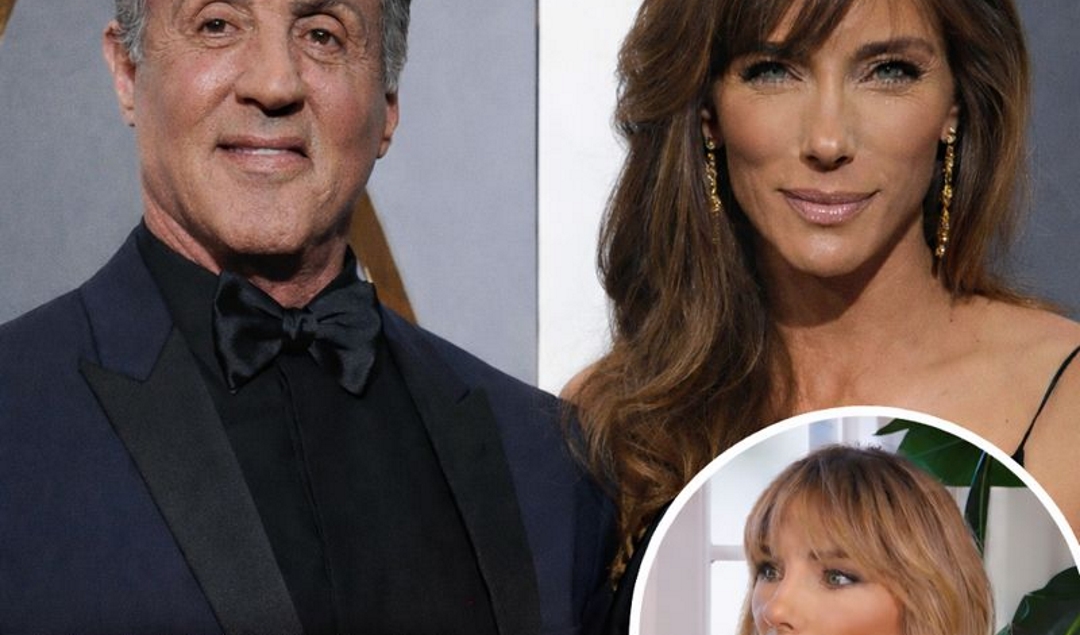
Within hours of the comments circulating online, backlash mounted. Advocacy organizations emphasized that gender identity is not a trend, nor a byproduct of privilege or exposure, but a deeply rooted personal experience supported by decades of medical research.
Health professionals were quick to push back, stressing that no credible evidence supports the idea that celebrity status increases the likelihood of being transgender. Experts noted that higher visibility among famous families may simply make transgender identities more visible — not more common.
Several critics pointed out that public figures discussing sensitive topics carry additional responsibility, especially when their words can influence public perception or reinforce misconceptions.
Supporters of Flavin, however, argued that her remarks were taken out of context. They claimed she was attempting to explore cultural pressures faced by children raised in the public eye, not deny or invalidate transgender identities.
Still, even some supporters acknowledged the language used was imprecise and risked misunderstanding. Online commentators noted that intent does not erase impact, particularly when discussing marginalized communities.
The conversation also reopened broader debates about celebrity parenting, privacy, and how public exposure affects childhood development. Children of famous figures often grow up under constant scrutiny, with limited privacy and heightened expectations — factors psychologists agree can complicate identity formation in general.
But experts warn against conflating those pressures with gender identity itself. Research consistently shows that transgender identities appear across all socioeconomic groups, cultures, and family structures.
Organizations advocating for transgender youth emphasized that framing identity as a byproduct of environment can fuel stigma, especially at a time when transgender rights are under heightened political and social attack.