Some critics also highlighted the timing of the remarks, noting they come amid ongoing legislative battles over transgender healthcare, education, and public accommodations in multiple countries.
Public response intensified as clips of the discussion circulated on platforms like X and TikTok, where users dissected Flavin’s words line by line. Many called for a clarification or apology, while others urged public figures to consult experts before discussing sensitive issues.
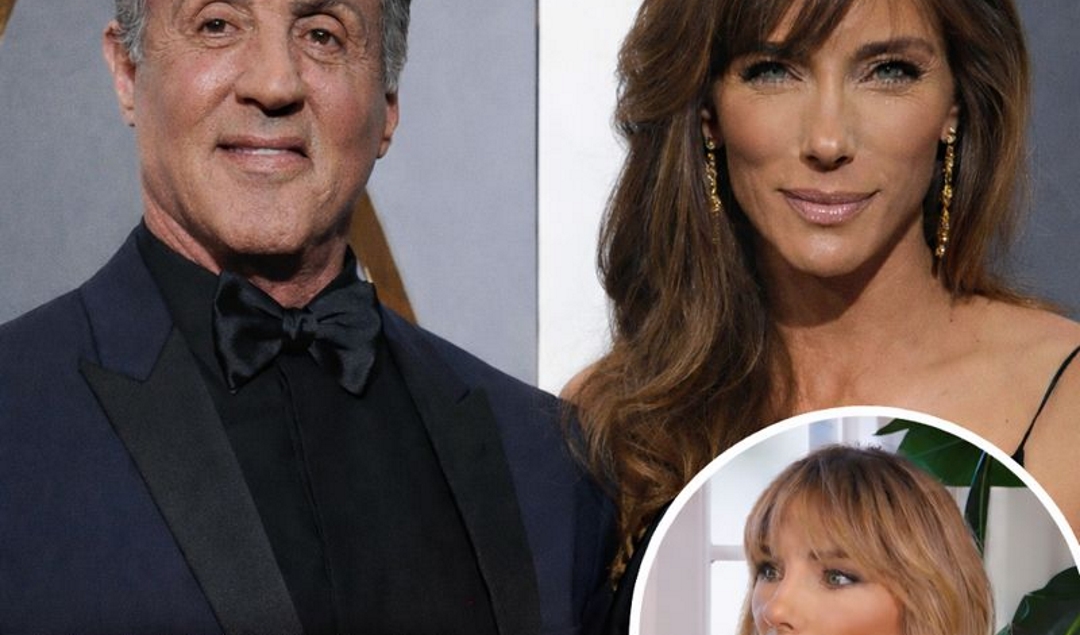
As of now, Flavin has not issued a formal apology, though sources close to the family say she did not anticipate the reaction her comments would receive.
Sylvester Stallone himself has not commented publicly on the controversy. The actor has historically avoided weighing in on political or social debates unrelated to his work.
The incident reflects a larger cultural tension: conversations about gender identity are increasingly mainstream, but misinformation and misunderstanding remain widespread.
Medical consensus, including guidance from major health organizations, makes clear that being transgender is not caused by parenting style, fame, or cultural influence, but is a natural variation of human identity.
Coverage of the controversy and expert responses can be found in reporting examining how experts responded to similar claims.
Broader analysis of why transgender visibility has increased — without implying causation — is also explored in research-based reporting on gender identity trends.
Ultimately, the backlash surrounding Flavin’s remarks underscores how quickly speculative commentary can spiral into controversy when it touches on identity, science, and lived experience.
As public figures continue to navigate these conversations, advocates argue the focus should remain on listening to transgender voices themselves — rather than theorizing about them from the outside.