
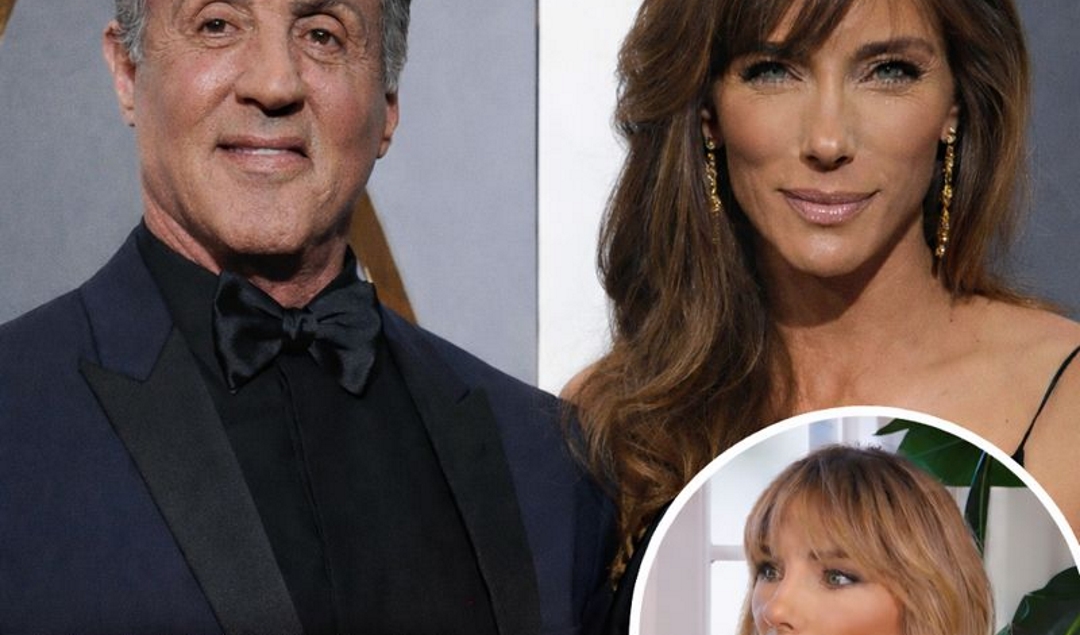
Jennifer Flavin, the wife of actor Sylvester Stallone, has ignited a wave of criticism and debate after publicly sharing a controversial theory about why she believes a growing number of celebrity children identify as transgender.
The remarks, which surfaced during a podcast-style discussion and were later amplified across social media, immediately drew strong reactions from LGBTQ+ advocates, medical experts, and fans who accused Flavin of oversimplifying a deeply personal and complex issue.
According to Flavin, celebrity households create environments that differ sharply from those of most families, citing wealth, constant attention, and unconventional upbringings. She suggested that fame itself may influence how children explore identity, a claim critics argue crosses into speculation without scientific grounding.
Her comments did not accuse any specific child or family, but the broader framing — especially linking transgender identity to celebrity culture — struck many as dismissive and harmful.
Within hours of the comments circulating online, backlash mounted. Advocacy organizations emphasized that gender identity is not a trend, nor a byproduct of privilege or exposure, but a deeply rooted personal experience supported by decades of medical research.
Health professionals were quick to push back, stressing that no credible evidence supports the idea that celebrity status increases the likelihood of being transgender. Experts noted that higher visibility among famous families may simply make transgender identities more visible — not more common.
Several critics pointed out that public figures discussing sensitive topics carry additional responsibility, especially when their words can influence public perception or reinforce misconceptions.
Supporters of Flavin, however, argued that her remarks were taken out of context. They claimed she was attempting to explore cultural pressures faced by children raised in the public eye, not deny or invalidate transgender identities.
Still, even some supporters acknowledged the language used was imprecise and risked misunderstanding. Online commentators noted that intent does not erase impact, particularly when discussing marginalized communities.
The conversation also reopened broader debates about celebrity parenting, privacy, and how public exposure affects childhood development. Children of famous figures often grow up under constant scrutiny, with limited privacy and heightened expectations — factors psychologists agree can complicate identity formation in general.
But experts warn against conflating those pressures with gender identity itself. Research consistently shows that transgender identities appear across all socioeconomic groups, cultures, and family structures.
Organizations advocating for transgender youth emphasized that framing identity as a byproduct of environment can fuel stigma, especially at a time when transgender rights are under heightened political and social attack.
Some critics also highlighted the timing of the remarks, noting they come amid ongoing legislative battles over transgender healthcare, education, and public accommodations in multiple countries.
Public response intensified as clips of the discussion circulated on platforms like X and TikTok, where users dissected Flavin’s words line by line. Many called for a clarification or apology, while others urged public figures to consult experts before discussing sensitive issues.
As of now, Flavin has not issued a formal apology, though sources close to the family say she did not anticipate the reaction her comments would receive.
Sylvester Stallone himself has not commented publicly on the controversy. The actor has historically avoided weighing in on political or social debates unrelated to his work.
The incident reflects a larger cultural tension: conversations about gender identity are increasingly mainstream, but misinformation and misunderstanding remain widespread.
Medical consensus, including guidance from major health organizations, makes clear that being transgender is not caused by parenting style, fame, or cultural influence, but is a natural variation of human identity.
Coverage of the controversy and expert responses can be found in reporting examining how experts responded to similar claims.
Broader analysis of why transgender visibility has increased — without implying causation — is also explored in research-based reporting on gender identity trends.
Ultimately, the backlash surrounding Flavin’s remarks underscores how quickly speculative commentary can spiral into controversy when it touches on identity, science, and lived experience.
As public figures continue to navigate these conversations, advocates argue the focus should remain on listening to transgender voices themselves — rather than theorizing about them from the outside.