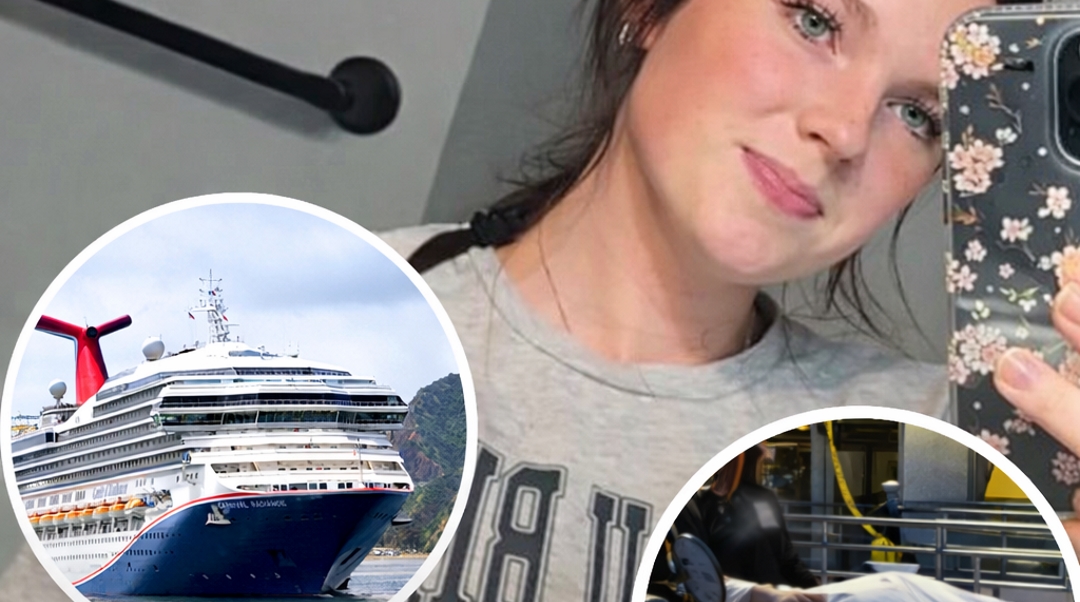
Friends and strangers alike flooded the comments with disbelief. Some noted how normal she seemed, how excited she appeared to be about the trip. Others questioned whether subtle signs had been missed, reading meaning into facial expressions, background details, or emojis that may never have carried any deeper intent.
According to early reporting on the case, the FBI confirmed it was reviewing the circumstances surrounding the teen’s death but declined to speculate, emphasizing that investigations at sea are often complex and take time. No cause of death was immediately released, and officials urged the public not to jump to conclusions.
The cruise line, meanwhile, issued a statement expressing condolences to the family and stressing that guest safety is a top priority. Crew members reportedly discovered the teen unresponsive, and medical staff were unable to revive her. Beyond that, details have been intentionally limited.
That silence has fueled speculation online. Some commenters have floated theories involving accidents, medical emergencies, or foul play, while others have pointed to the ship environment itself—tight spaces, unfamiliar layouts, late nights, and the unique risks of being at sea. Cruise experts often note that while serious incidents are rare, investigations can be complicated by jurisdictional boundaries and delayed access to forensic resources.
The teen’s family has largely stayed out of the public spotlight, issuing brief statements asking for privacy as they grieve. In cases like this, families often face a double trauma: the sudden loss of a loved one and the relentless public attention that follows when a death becomes a headline.
Social media has played a powerful role in shaping the narrative. Final posts, texts, or photos frequently become focal points in modern tragedies, treated almost like clues in a mystery. Psychologists caution against this impulse, noting that most people’s last posts are mundane by nature and rarely predictive of harm or danger.