
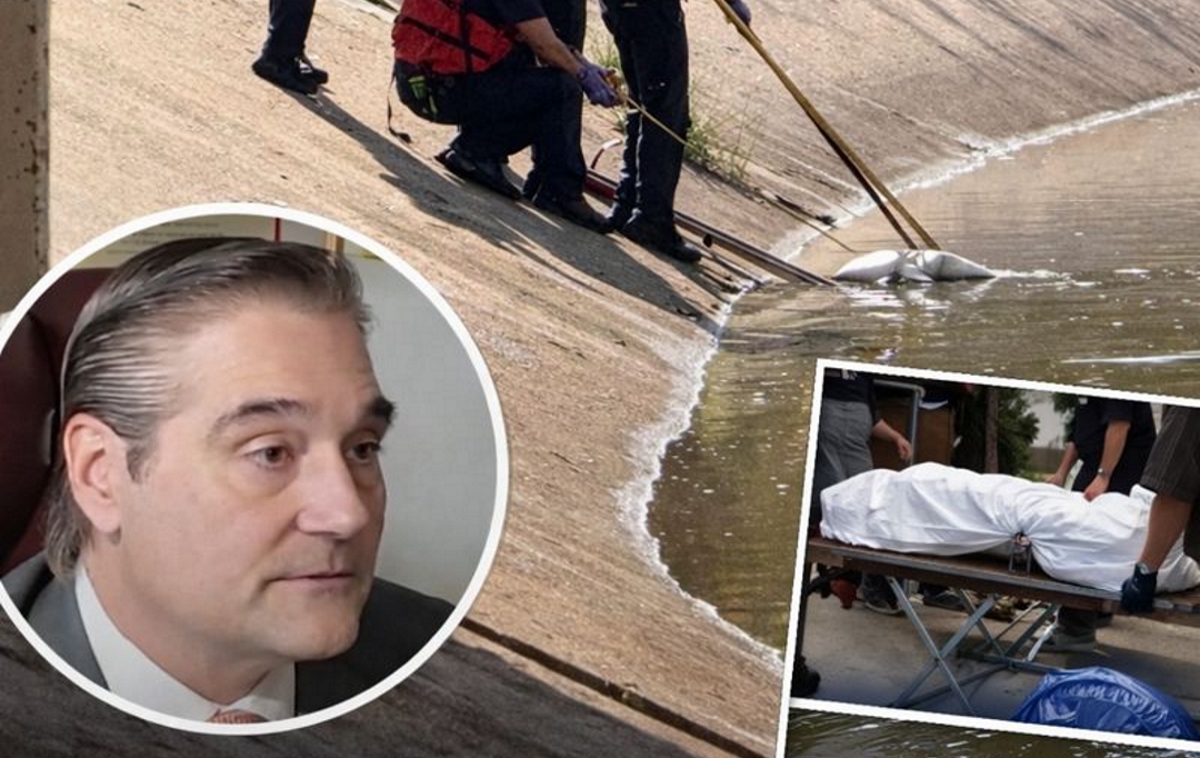
Fear has settled heavily over Houston after authorities confirmed that 34 bodies have been recovered from bayous across the city in recent months. While officials insist there is no evidence of a serial killer, the sheer number of deaths has left residents shaken and demanding answers.
The discovery pattern has been deeply unsettling. Bodies were found in different waterways, at different times, often after heavy rainfall or routine searches. Each case carries its own circumstances, but taken together, they have fueled a growing sense that something larger might be unfolding beneath the surface.
At a tense press conference, the Harris County prosecutor attempted to address mounting public anxiety. He emphasized that the deaths span a wide range of causes, including accidental drownings, suicides, and medical emergencies, urging residents not to jump to conclusions.
“We are not seeing a common thread that would indicate coordinated violence,” he said, adding that Houston’s vast network of bayous has historically been a location where vulnerable individuals tragically end up. Still, he acknowledged the optics were disturbing and pledged transparency as investigations continue.
Public concern intensified after residents began mapping the locations themselves, sharing theories and timelines online. Posts comparing recovery sites circulated rapidly, prompting renewed scrutiny of what officials have publicly confirmed versus what remains unclear.
Law enforcement sources say many of the recovered individuals had documented struggles with homelessness, substance abuse, or mental health crises. Advocates argue that explanation alone doesn’t address why so many deaths went unnoticed for extended periods.
The prosecutor acknowledged systemic failures, including gaps in social services and delayed missing-person reports. He said those issues create conditions where deaths can occur without immediate detection, especially in isolated areas along waterways.
Experts familiar with urban waterway incidents note that Houston’s bayous are deceptively dangerous. Strong currents, steep embankments, and poor lighting contribute to accidental falls, particularly at night. Similar patterns have been analyzed in other major cities with extensive river systems.
Still, the numbers remain difficult to dismiss. Residents at the press conference pressed officials on whether resources had been increased or whether earlier warning signs were missed. The prosecutor said additional patrols and reviews are underway, but stopped short of announcing major operational changes.
Thirty-four bodies in Houston bayous and officials say it’s just coincidence? People deserve clearer answers.— Houston Watch (@HoustonWatchTX) March 2025
Community leaders say trust is eroding. Neighborhood groups have begun organizing safety walks and demanding better lighting near waterways. Some residents admit they now avoid certain areas entirely after dark.
The prosecutor urged caution against speculation, warning that unverified theories can cause unnecessary panic. He referenced how pattern-seeking during crises often amplifies fear even when events are unrelated.
However, families of the deceased say fear is unavoidable when answers feel incomplete. Several relatives spoke anonymously, saying they were notified weeks or months after their loved ones were last seen, compounding grief with anger.
Advocates for the unhoused argue the situation exposes a deeper issue: deaths among marginalized populations often receive less immediate attention. They point to recent reporting showing rising mortality rates among people living without stable housing.
The prosecutor said his office is reviewing protocols related to missing persons, unidentified remains, and inter-agency communication. He conceded that improvements are needed, but stressed that none of the evidence points to coordinated violence.
Even if there’s no serial killer, 34 deaths demand accountability. Calm words aren’t enough.— TX Justice Now (@TXJusticeNow) March 2025
For now, the city remains on edge. Residents are watching bayous more closely, questioning what lies beneath the water, and wondering how many deaths it took before attention followed.
Whether the prosecutor’s reassurances will be enough remains uncertain. What is clear is that Houston is being forced to confront uncomfortable questions about safety, visibility, and whose lives are noticed when they quietly disappear.