
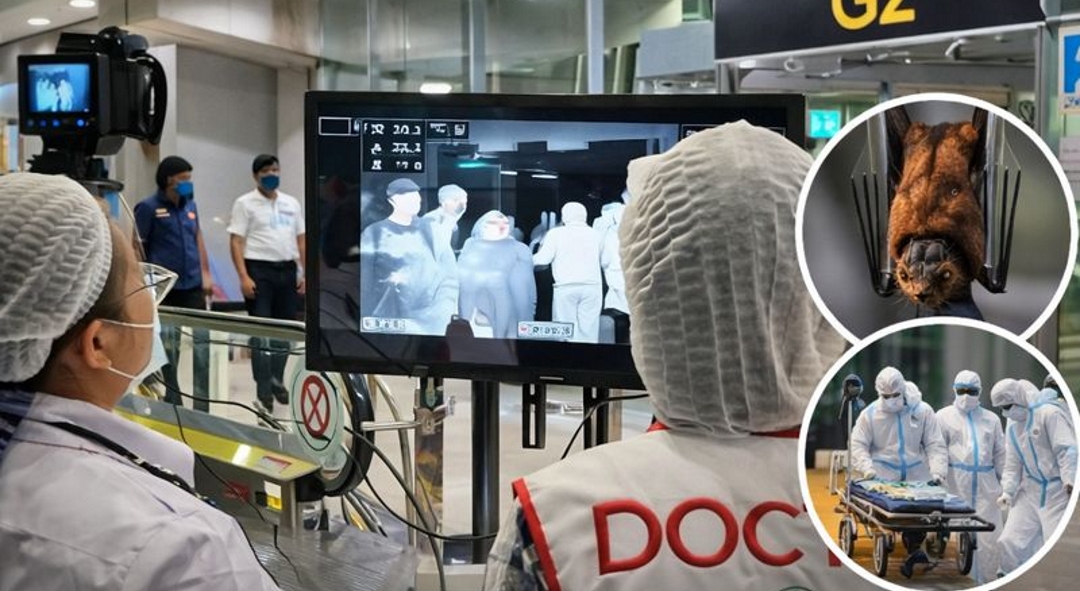
Passengers arriving from regions with recent Nipah activity were screened using thermal imaging cameras, a method previously deployed during COVID-19. Those flagged during screening were advised to self-monitor for symptoms and immediately report any changes to local health offices.
Some close contacts were placed under short-term observation as a precaution, following protocols based on past outbreaks documented in South and Southeast Asia. Officials emphasized that these measures do not indicate widespread transmission but reflect heightened vigilance.
There is currently no approved treatment or vaccine for Nipah virus, which is why containment relies heavily on monitoring, isolation, and public awareness, as outlined by international disease control agencies.
Thai health officials said airport staff and quarantine officers have been instructed to coordinate closely with hospitals to ensure a rapid response if suspected cases emerge. Protective equipment has been issued to frontline workers to minimize risk during screenings.
Authorities urged the public to remain calm, noting that the overall risk to the general population remains low. They added that updates would be shared if additional cases are detected or if screening measures are expanded further.
For now, officials say the focus remains on prevention, transparency, and ensuring Thailand’s airports remain safe as global health agencies continue monitoring the situation.