
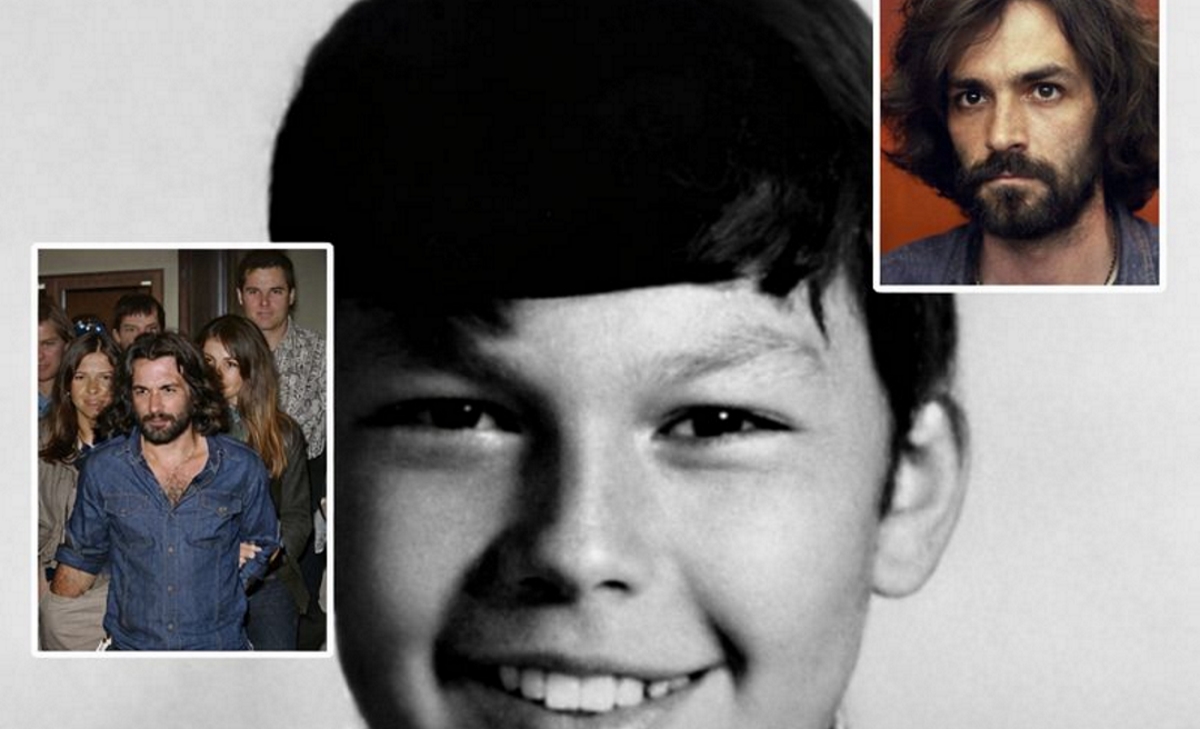
The photograph looks ordinary at first glance. A young boy stares back at the camera, expression blank, dressed like countless children of his generation. Nothing in the image hints at violence, power, or fear. Yet years later, that same boy would become synonymous with brutality, intimidation, and a criminal legacy that stretched across borders.
The boy’s name is Miguel. In adulthood, he would be known not for childhood innocence, but for his role in one of the most violent criminal organizations ever to operate near the United States. His transformation from an unremarkable childhood into a symbol of terror remains deeply unsettling to those who study criminal psychology.
Born into a region shaped by poverty, instability, and corruption, Miguel’s early life unfolded far from headlines. Friends and neighbors later described him as quiet, observant, and unremarkable. There were no obvious warning signs that he would eventually embrace violence as a tool for power.
Criminologists often point out that the roots of extreme criminal behavior are rarely visible in childhood photos. Instead, they form slowly through exposure, opportunity, and environment. Research cited in longstanding behavioral studies shows how ordinary beginnings can mask the development of ruthless survival instincts.
As a young adult, Miguel gravitated toward organized crime during a period when cartels were expanding aggressively and absorbing new recruits. What distinguished him from others was not just participation, but ambition. He learned quickly, moved decisively, and proved willing to use violence without hesitation.
Over time, his reputation grew darker. Associates described him as calculating, unpredictable, and unflinchingly cruel. Acts meant to intimidate rivals and authorities alike became his signature, contributing to a reign of fear that extended into U.S. border regions.
Law enforcement agencies on both sides of the border eventually identified him as a high-priority target. Intelligence reports linked him to mass killings, disappearances, and large-scale trafficking operations. Analysts familiar with cross-border crime patterns noted that figures like Miguel thrive in environments where enforcement gaps allow violence to flourish.
What disturbed investigators most was how methodical his rise appeared. Unlike impulsive criminals, Miguel treated brutality as strategy. Violence wasn’t emotional — it was transactional. That mindset, experts say, is common among individuals who view fear as a renewable resource.
The contrast between the childhood photo and the man he became has fueled ongoing fascination. Psychologists argue that such images force the public to confront an uncomfortable truth: evil is not always visible at the beginning. It often grows quietly, shaped by choices rather than destiny.
That childhood photo of Miguel is chilling. It’s a reminder that monsters aren’t born labeled.— Crime Lens (@CrimeLens) April 2025
When Miguel was finally captured, authorities described the arrest as a major blow to organized crime networks. Years of evasion ended not with a dramatic shootout, but with a quiet detention that contrasted sharply with the chaos he once commanded.
Still, his legacy did not end with imprisonment. The damage left behind — fractured communities, grieving families, and a trail of unresolved disappearances — continues to reverberate. Investigators emphasize that dismantling leadership rarely erases the systems that allowed figures like Miguel to rise.
Historians and crime analysts studying organized violence in North America argue that focusing solely on individuals risks missing the larger forces at work. Poverty, corruption, and demand create ecosystems where new leaders inevitably emerge.
Public reaction to Miguel’s story often oscillates between horror and morbid curiosity. The childhood image resurfaces repeatedly, shared as proof that evil can wear the face of innocence before it matures into something far darker.
Some argue that these images humanize criminals too much. Others believe they serve as warnings, reminders that prevention matters long before violence begins. Early intervention, education, and opportunity can alter paths that otherwise lead toward destruction.
Every time that photo circulates, it forces the same question: where did everything go wrong?— Border Watch (@BorderWatchUS) April 2025
For families affected by Miguel’s crimes, the image offers little comfort. They see not a lost child, but the face of a man responsible for immeasurable harm. Justice, they say, is not found in curiosity, but in accountability.
Ultimately, the photograph endures because it unsettles. It collapses the distance between ordinary life and extraordinary cruelty, reminding viewers that the path to becoming feared is rarely obvious at the start.
The little boy in the photo did not look like a criminal. That may be the most disturbing part of all.