
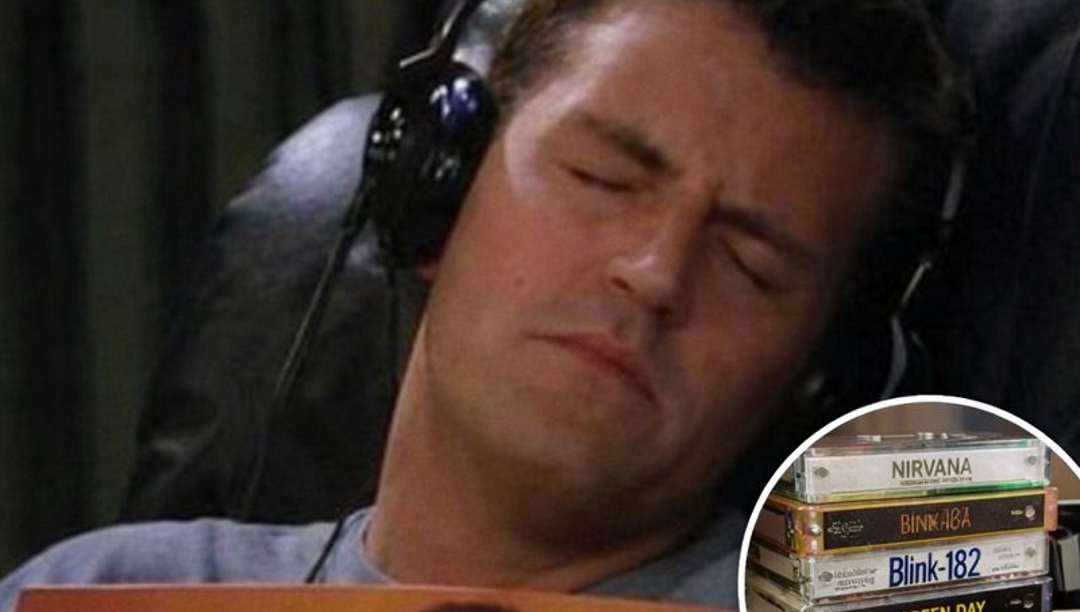
The image feels instantly familiar. Headphones on, eyes closed, music blocking out the world. A record sleeve resting on someone’s chest like a shield. For millions of people, those moments weren’t just about sound — they were about survival, identity, and learning how to feel.
A new wave of research is reinforcing what many already sense deep down: the music people fall in love with during their teenage years has a stronger emotional imprint than anything they listen to later in life. Scientists studying memory formation and emotional development say adolescence is a neurological “sweet spot,” when the brain is especially sensitive to music tied to identity and belonging.
According to neuroscientists, the teenage brain is flooded with dopamine more easily, meaning emotional experiences feel sharper and stick longer. Music becomes a shortcut to those emotions. One analysis tied this directly to how autobiographical memories form, noting that songs heard between ages 12 and 19 are far more likely to trigger vivid recall decades later, as explained in a breakdown of music-linked memory patterns.
This explains why a single chorus can instantly transport someone back to a bedroom, a school bus ride, or a first heartbreak. It’s not nostalgia in the shallow sense — it’s neurological wiring. Researchers say the emotional centers of the brain and memory storage areas are unusually synchronized during adolescence, something rarely replicated in adulthood.
Genres don’t even matter as much as timing. Whether it was grunge, pop-punk, hip-hop, alternative, or classic rock discovered late, the emotional anchor forms the same way. One long-term study tracking listening habits over decades found that people overwhelmingly return to the music they loved at 16 or 17 during moments of stress, grief, or reflection, echoing patterns found in a scientific look at music preference permanence.
That song you loved at 16 didn’t just sound good — it helped your brain learn how to feel. — Neuroscience Notes (@NeuroNotes) January 2026
The emotional role music plays during adolescence often fills gaps left by words. Teenagers use music to process feelings they can’t yet articulate — loneliness, anger, longing, hope. Lyrics become stand-ins for self-expression, especially during periods of identity confusion. Psychologists say this is why teens often feel “understood” by artists they’ve never met.
Interestingly, the study doesn’t suggest adult music is meaningless. It simply serves a different function. Later in life, people choose music more deliberately — for relaxation, productivity, or mood regulation. Teen music, by contrast, is absorbed passively but deeply, embedding itself before emotional filters are fully formed. That distinction is explored further in research on emotional imprinting.
This also explains why people are so protective of the music they loved growing up. Criticism of it can feel personal, even decades later. The songs are bound to vulnerability — moments when emotions felt overwhelming and music offered structure. In that sense, defending a favorite band can feel like defending a younger version of yourself.
Some researchers suggest this emotional attachment is why live concerts feel so powerful when they feature older songs. The brain isn’t just hearing sound — it’s replaying emotional states. One crowd psychologist described concerts as “shared memory rituals,” a concept echoed in studies on collective musical experience.
Music from your teens isn’t just nostalgic. It’s emotional muscle memory. — Culture & Brain (@CultureBrain) January 2026
What’s striking is how universal this effect appears to be. Age, culture, and background don’t change the pattern. A teenager listening alone with headphones in the 1990s and one streaming songs on a phone today experience the same neurological imprint. The technology evolves, but the brain doesn’t.
So when adults return to the music of their youth, they aren’t chasing the past — they’re reconnecting with the emotional blueprint that shaped how they love, cope, and remember. Those songs didn’t just soundtrack teenage years. They quietly taught people how emotions work.
And that’s why, no matter how much new music is discovered, the songs you loved as a teen never really leave. They’re not just favorites. They’re part of the architecture.