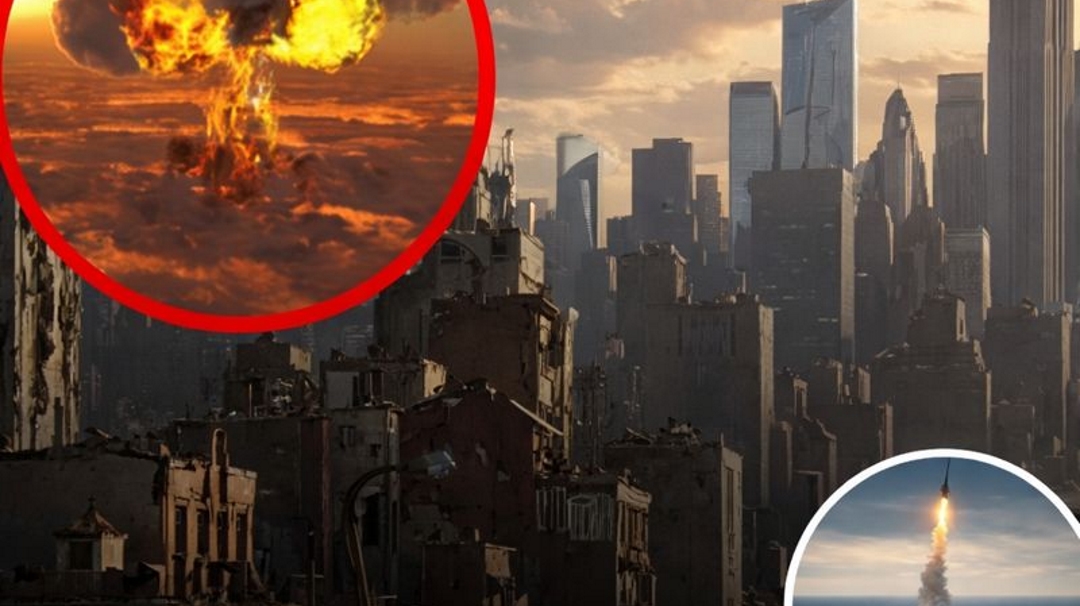
Historical modeling and modern simulations have explored how quickly escalation could spiral, with some assessments suggesting that early miscalculations could lead to catastrophic consequences within hours.
Research from global nuclear risk assessments has repeatedly warned that humanity is closer to large-scale conflict than at many points during the Cold War.
Military scholars have also outlined how modern deterrence strategies rely on restraint and communication — both of which become fragile under political pressure.
While no one can predict exactly how a future global conflict would unfold, experts agree on one thing: location would matter immensely. The safest places would likely be those far removed from military value, dense populations, and strategic infrastructure.
Ultimately, discussions about worst-case scenarios are not meant to fuel fear, but to highlight the importance of diplomacy, de-escalation, and global cooperation. The cost of getting it wrong would not be measured in borders or victories, but in lives.
For now, World War III remains a possibility — not a certainty — but understanding the risks underscores just how much is at stake if tensions continue to rise.