Opponents point to past controversies that shadowed her time in office. Questions about political donations and perceived conflicts of interest resurfaced repeatedly over the years, fueling partisan criticism. Those issues were detailed in earlier investigative coverage by The New York Times examination of donation concerns.
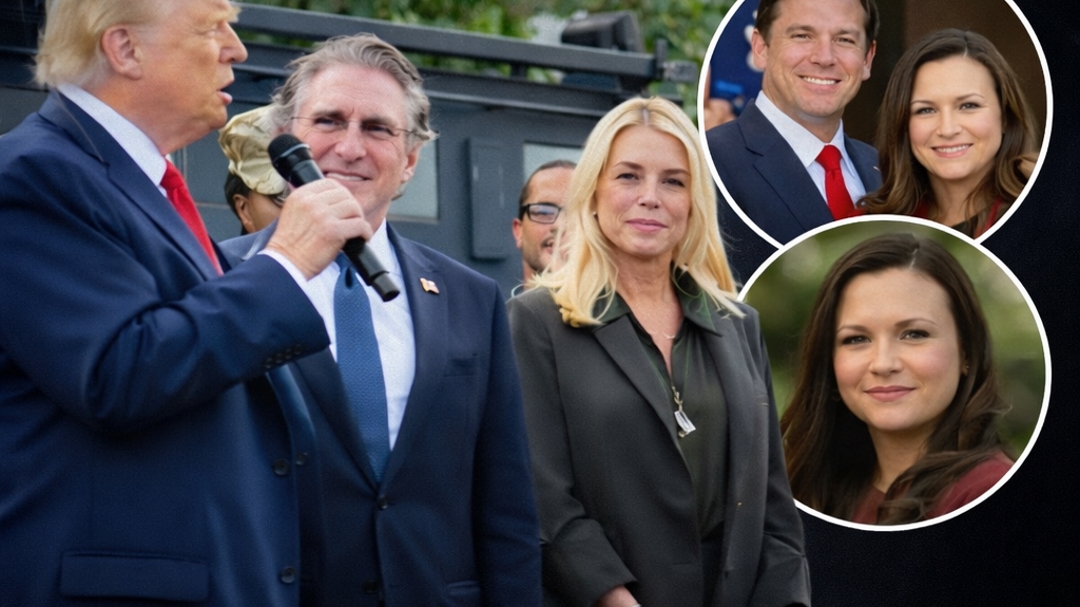
The timing of Trump’s statement is significant. With the political landscape shifting ahead of another contentious election cycle, endorsements and loyalty signals carry heightened weight. Analysts say such declarations often serve both as political reinforcement and as a warning to internal party critics.
Within Republican circles, reactions have been mixed. Some lawmakers privately express concern that bold claims about historical greatness may amplify scrutiny rather than deflect it. Others see it as standard political theater, arguing that hyperbolic praise is part of Trump’s brand.
Bondi herself has largely avoided directly addressing the “greatest attorney general” comment. In brief remarks, she emphasized her focus on law enforcement priorities and constitutional interpretation rather than personal accolades.
Legal experts note that evaluating such claims depends heavily on perspective. The office of attorney general, whether at the state or federal level, often sits at the crossroads of politics and law. Decisions made in that role can define legacies for decades.
Trump’s comments also arrive amid broader national conversations about executive power and the independence of legal institutions. For some observers, elevating a political ally to historic status underscores concerns about blurred lines between governance and campaign messaging.