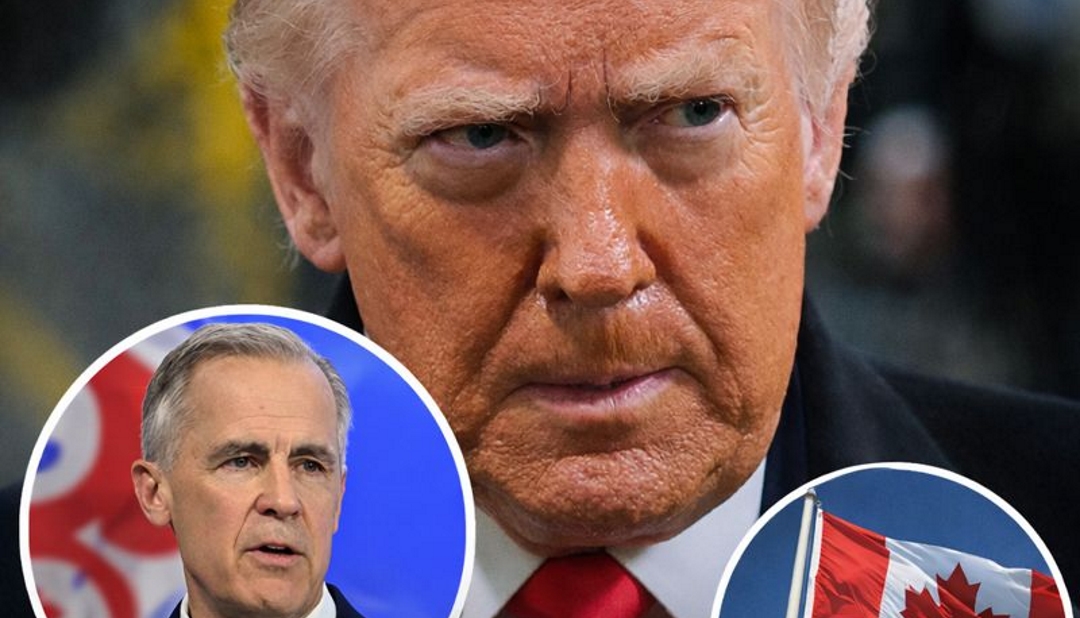
The episode nevertheless raised questions about how a renewed Trump presidency — or an increasingly influential Trump campaign — could affect allies. Policy experts interviewed in coverage of transatlantic and North American relations warned that even rhetorical clashes can unsettle markets and complicate diplomatic planning.
Carney’s comments were framed domestically as a defense of multilateral cooperation and economic stability, themes he has emphasized throughout his political career. Supporters argue that candor is necessary when global norms are under strain, while critics caution that public criticism risks provoking unnecessary retaliation.
Trump allies, meanwhile, defended his response as a show of strength, arguing that allies should not expect immunity from criticism. Similar dynamics played out during Trump’s previous term, when disputes with close partners were documented extensively in archived foreign policy reporting.
No official actions have been announced, and both governments continue routine diplomatic engagement. Still, observers say the exchange underscores how quickly personal politics can spill into international relations — particularly when public messaging replaces quiet diplomacy.
As the situation develops, analysts will be watching for any concrete policy moves that follow the rhetoric. For now, the confrontation remains verbal, but it has already injected fresh tension into one of the world’s closest bilateral relationships.