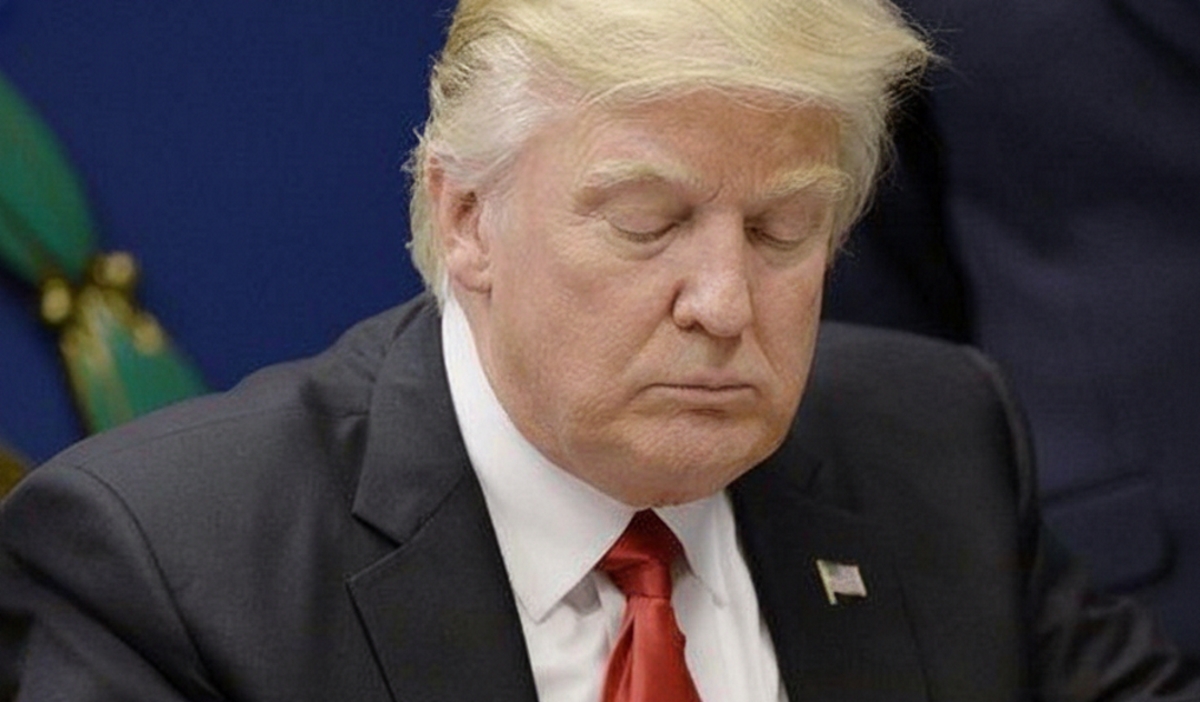
Donald Trump has moved to dramatically expand the U.S. travel ban, adding a new list of countries and reigniting one of the most polarizing policies of his presidency. The announcement immediately sent shockwaves through immigrant communities, foreign governments, and legal circles already bracing for a potential return to hardline border measures.
According to Trump, the expanded ban is necessary to protect national security and prevent what he describes as systemic vetting failures. The framing mirrors language he used repeatedly during his first term, when the original travel restrictions sparked global protests and a cascade of court challenges.
The newly added countries, officials say, were selected based on a mix of intelligence assessments, visa overstay rates, and cooperation with U.S. authorities. Similar criteria were cited during earlier iterations of the ban, a process detailed in prior security explanations outlining how the administration justified restrictions.
Human rights organizations reacted swiftly, warning that the expansion risks separating families and trapping lawful visa holders abroad. Advocates pointed to patterns identified in impact assessments documenting the human cost of previous bans.
We’ve seen this before. Families stranded, students blocked, lives disrupted overnight. — ACLU (@ACLU) Dec 2025
Supporters argue the policy is both lawful and overdue. Conservative lawmakers praised the expansion as a return to what they call “common-sense border control,” citing national security reviews referenced in policy defenses backing tighter entry standards.
The legal landscape surrounding travel bans remains complex. While the Supreme Court upheld Trump’s third version of the ban in 2018, legal scholars caution that any new expansion would face immediate scrutiny, particularly if evidence suggests religious or ethnic targeting, concerns raised in constitutional reviews.
Foreign governments from affected regions expressed frustration, warning that blanket restrictions undermine diplomatic cooperation. Similar diplomatic fallout occurred during earlier bans, tensions explored in foreign policy analysis examining long-term consequences.
Travel bans don’t build security. They erode trust between nations. — Ned Price (@nedprice) Dec 2025
Airlines and universities are also bracing for disruption. During the original bans, airlines faced confusion over enforcement, while colleges reported students barred from returning to campus, problems chronicled in education reporting tracking academic fallout.
Trump has framed the move as a direct response to what he calls “chaos” at the border, arguing that temporary bans buy time to repair screening systems. That argument aligns with messaging analyzed in campaign coverage tracking his renewed immigration strategy.
Critics counter that data does not support the security rationale. Studies consistently show that immigrants from banned countries commit terrorism at extremely low rates, findings summarized in statistical reviews frequently cited in court filings.
This policy is driven by fear, not facts. — Ilhan Omar (@IlhanMN) Dec 2025
The expansion has also reopened debates about presidential power. Immigration law grants broad authority to restrict entry, but historians note that how and why that power is exercised shapes public trust, themes explored in governance research on executive discretion.
For immigrant families, the policy announcement triggered immediate fear and uncertainty. Advocacy groups reported a surge in calls from people unsure whether they should travel, apply for visas, or remain abroad, echoes of the confusion documented in airport scenes during earlier rollouts.
Politically, the move solidifies Trump’s return to a signature issue that helped define his rise. Strategists say the travel ban remains one of the clearest signals to his base that he intends to govern as he once did, a calculation analyzed in campaign strategy breakdowns.
Whether the expanded ban survives legal challenges or evolves through revisions remains to be seen. What is already clear is that the policy has once again thrust immigration, identity, and executive power into the center of the national conversation.
As affected travelers wait for clarity and courts prepare for new battles, Trump’s decision has revived a familiar question for the country: where the line lies between security and exclusion, and who ultimately pays the price when it is redrawn.