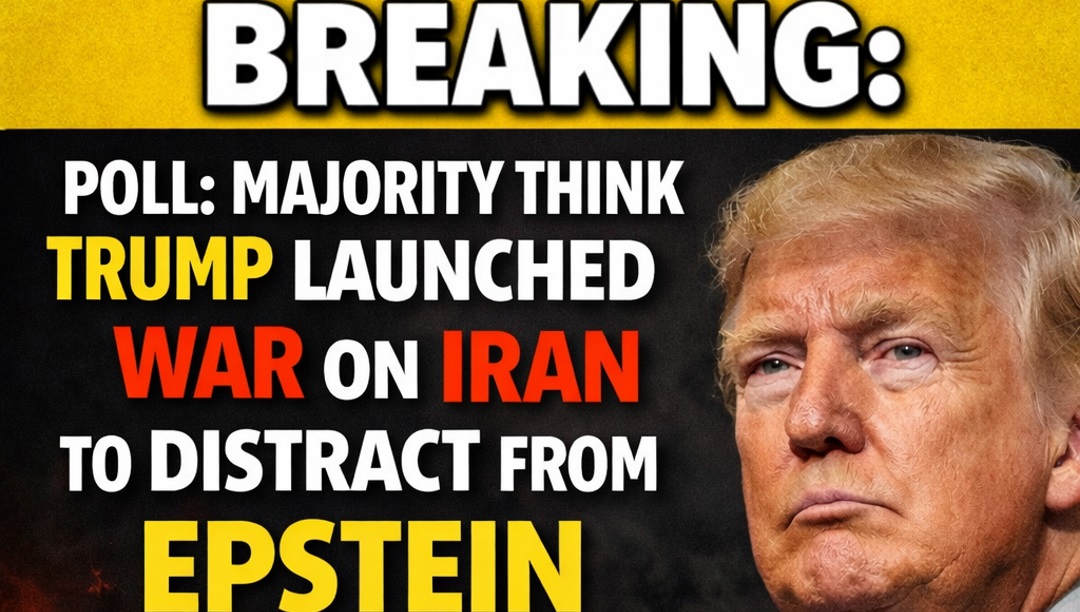
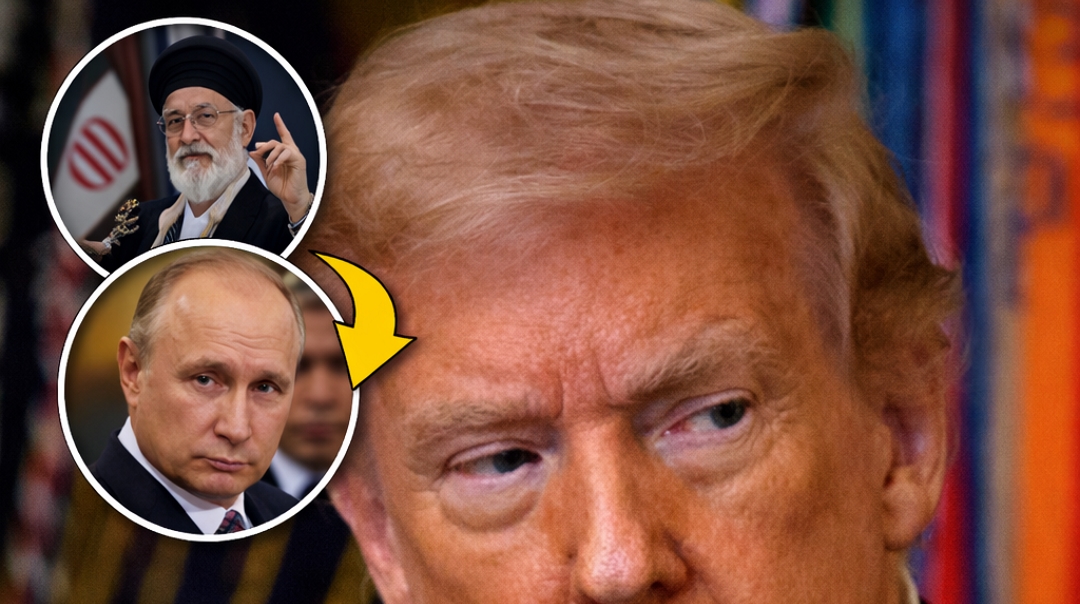
During a recent interview discussing escalating tensions in the Middle East, former President Donald Trump delivered a blunt warning that quickly began circulating across social media and news platforms. Asked about the possibility of direct confrontation between the United States and Iran, Trump responded with language that supporters described as forceful — and critics called alarming.
According to the former president, if Iran were to escalate its actions against American interests or allies, the consequences would be swift and severe. “They will fall soon,” Trump said during the exchange, a statement that immediately drew attention for both its tone and its implications.
The comment comes at a time when relations between Washington and Tehran remain deeply strained. Although diplomatic negotiations over Iran’s nuclear program have resurfaced periodically in recent years, progress has repeatedly stalled, leaving tensions simmering beneath the surface of regional politics.
For decades, the relationship between the United States and Iran has been shaped by cycles of confrontation, sanctions, and uneasy diplomacy. The situation intensified significantly during Trump’s presidency when the United States withdrew from the 2015 nuclear agreement and reinstated sweeping economic sanctions against the Iranian government.
That decision dramatically shifted the geopolitical landscape in the region. Iran responded by gradually reducing its compliance with parts of the nuclear deal while warning that U.S. pressure could lead to broader instability across the Middle East.
One of the most dramatic moments during that period came in January 2020, when a U.S. drone strike killed Iranian General Qassem Soleimani near Baghdad’s international airport. The strike triggered a wave of international reaction and raised fears of a direct military conflict between the two countries.
Iran retaliated days later by launching missile strikes against military bases in Iraq that housed American troops. While the attack did not result in fatalities, it underscored just how quickly tensions could escalate between the two nations.
Against that backdrop, Trump’s latest remarks have revived discussions about how the United States should approach Iran moving forward. Supporters argue that strong rhetoric sends a clear message of deterrence, signaling that hostile actions against the United States or its allies would be met with overwhelming force.
Others, however, warn that aggressive language can further inflame an already fragile situation. Foreign policy analysts note that statements made by prominent political figures often carry weight far beyond the domestic political arena, particularly when they involve countries already locked in long-standing disputes.
Several experts emphasize that the region remains one of the most complex geopolitical environments in the world. Multiple conflicts, shifting alliances, and economic pressures all contribute to a delicate balance that can change rapidly with even small developments.
Trump’s comment about Iran “falling soon” has therefore been interpreted in different ways depending on political perspective. Some observers view it as a warning about the Iranian government’s long-term stability, while others see it primarily as a rhetorical signal intended to reinforce a hardline stance.
Meanwhile, the broader issue of Iran’s nuclear ambitions continues to shape international discussions. Western governments remain concerned about Tehran’s expanding uranium enrichment activities, while Iranian officials maintain that their nuclear program is intended for civilian energy purposes.
Diplomatic negotiations aimed at restoring limits on Iran’s nuclear development have repeatedly stalled, leaving the future of the agreement uncertain. In the absence of a new deal, tensions between Iran, the United States, and regional allies remain a persistent concern for international policymakers.
Trump’s remarks have therefore arrived at a moment when global attention is already focused on the region. Whether the statement reflects a future policy approach or simply political messaging, it has once again placed U.S.–Iran relations at the center of public debate.
As discussions continue, analysts say the long-term trajectory of the relationship will depend less on individual comments and more on diplomatic decisions made in the months and years ahead.
For now, however, the warning has added another chapter to one of the most enduring geopolitical rivalries of the modern era.