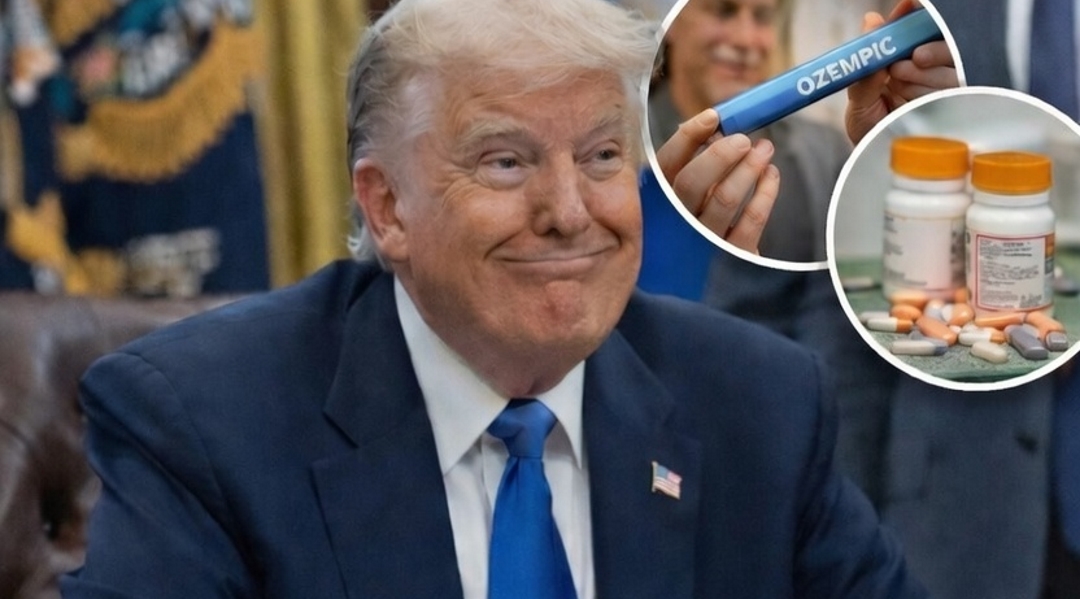
Supporters defended the comment as lighthearted banter, arguing that Trump often uses humor to comment on cultural phenomena. Critics countered that reducing a prescription medication to a punchline risks reinforcing stigma around both obesity and medical intervention.
The conversation unfolds amid a broader surge in popularity for GLP-1 receptor agonists — the drug class that includes Ozempic. According to information from the National Institute of Diabetes and Digestive and Kidney Diseases, obesity remains a complex chronic disease influenced by genetics, environment, and behavior, often requiring medical management beyond lifestyle adjustments alone.
Pharmacies across the country have reported intermittent shortages as demand climbed, fueled in part by high-profile endorsements and widespread social media coverage. Some physicians have voiced concern that non-diabetic patients seeking rapid weight loss may compete with diabetic patients who rely on the medication to regulate blood sugar.
Trump has long commented publicly on health and body image, frequently referencing weight during political rallies. His latest remark fits within that pattern but lands at a moment when weight-loss drugs have become both medically significant and culturally sensitive.
Healthcare advocates say casual references to medications can obscure the underlying health realities. Obesity is associated with increased risk of heart disease, diabetes, and certain cancers. For some patients, pharmacological treatment offers measurable health improvements.
Others argue that the intense spotlight on GLP-1 drugs has created unrealistic expectations. Rapid transformations highlighted on social media may not reflect typical outcomes, and medical professionals stress that individual responses vary.