
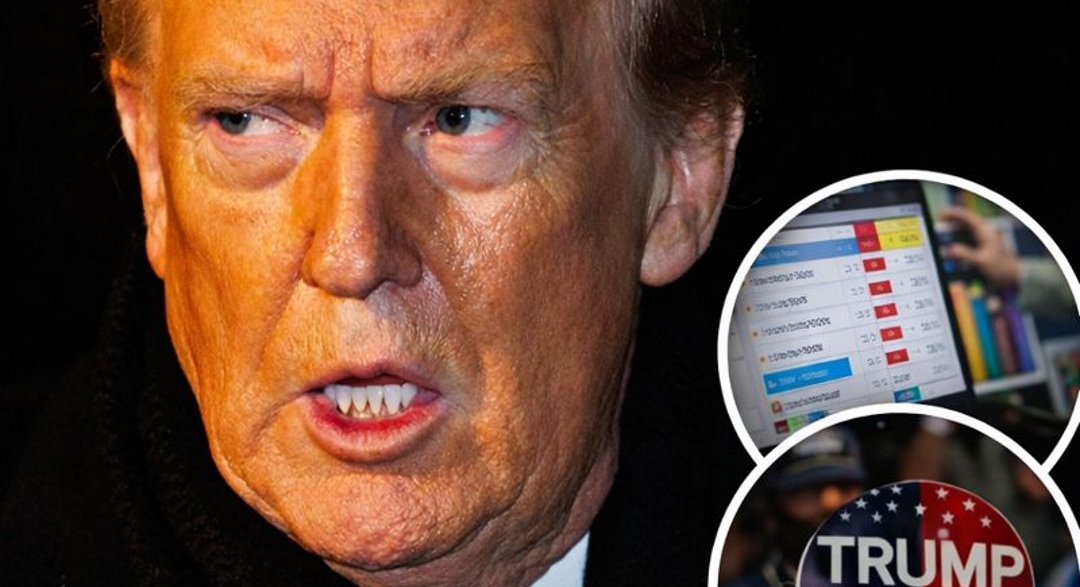
Donald Trump has issued a sharp, combative statement after a fresh wave of approval ratings revealed a stark picture of how many Americans currently view his leadership and political future.
The numbers, released this week as part of a broader national polling snapshot, show Trump’s approval underwater with key voter groups, including independents and suburban voters, even as he maintains strong loyalty among his core base. Analysts reviewing the data say the results highlight widening fatigue rather than a sudden collapse, a distinction emphasized in coverage by political polling experts tracking national sentiment.
Within hours of the figures becoming public, Trump responded with a blistering statement posted to his social media platform, dismissing the polls as “rigged,” “dishonest,” and designed to suppress his supporters. He also accused media outlets and polling firms of coordinating against him, claims echoed repeatedly throughout his post.
Polling averages cited by independent election analysts suggest the numbers align closely with long-term trends rather than representing an outlier. While Trump continues to dominate Republican primary polling, his broader national favorability has remained stubbornly negative for months.
Political strategists say Trump’s aggressive response reflects a familiar pattern: counterpunching perceived weakness with defiance. “He treats polling as an opponent,” one veteran campaign consultant told election coverage reporters, noting that Trump often uses criticism itself as a rallying tool.
The latest data also shows erosion among voters who once viewed Trump as an economic stabilizer, particularly following renewed debates over inflation, government spending, and global instability. According to polling breakdowns reviewed by national political correspondents, economic confidence no longer offsets broader concerns about temperament and governance.
Trump’s statement did little to soften that perception. Instead, he framed the results as proof of an establishment conspiracy, doubling down on rhetoric that has become central to his post-presidency identity. Supporters praised the message as forceful, while critics argued it reinforced the very concerns reflected in the polling.
As the election cycle accelerates, analysts say approval ratings matter less for Trump’s base than for undecided voters who will ultimately decide the general election. With multiple court cases, ongoing investigations, and a polarizing public image, every new poll now feeds a larger narrative battle over momentum and legitimacy.
Whether Trump’s scorched-earth response energizes supporters or alienates swing voters remains an open question. What is clear, according to political data researchers cited by election trend analysts, is that the divide between Trump and much of the electorate shows no signs of narrowing.