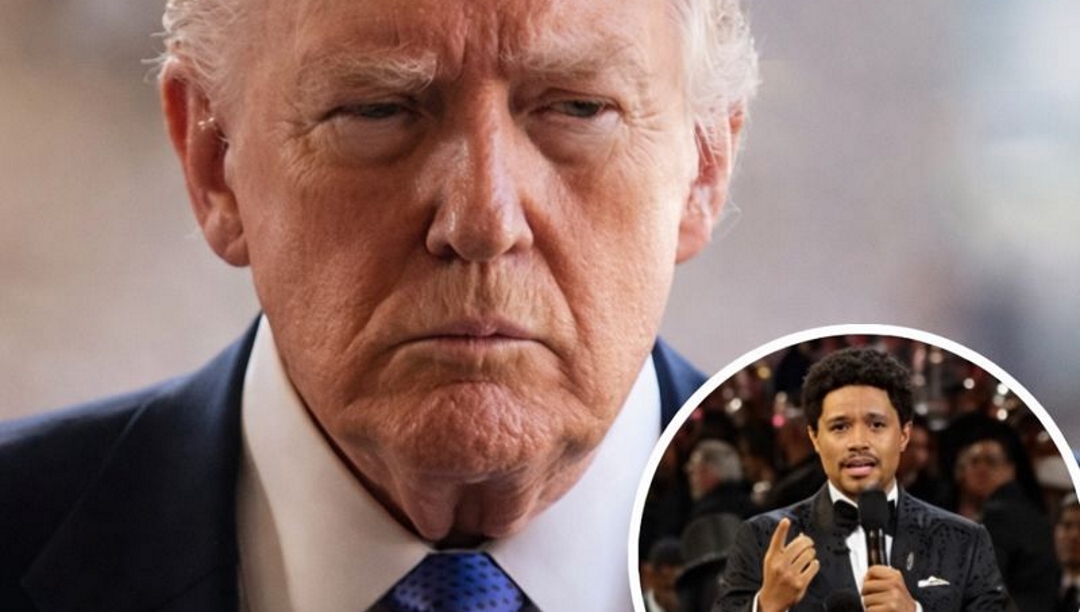
Trump’s post framed the joke as defamatory, implying it falsely associated him with Epstein. Yet the line Noah delivered never singled Trump out by name, nor did it accuse him of criminal conduct. It operated in the same murky cultural shorthand that has dominated Epstein-related commentary for years — where implication, proximity, and notoriety are blurred into a single loaded reference.
Legal experts have long noted that defamation cases stemming from satire are extraordinarily difficult to win, particularly for public figures. Courts typically examine whether a reasonable viewer would interpret the statement as a literal assertion of fact. In the context of a televised comedy monologue at an awards show, that bar is extremely high.
That hasn’t stopped Trump from threatening legal action against comedians, journalists, and media outlets before. Lawsuits — or the threat of them — have become a recurring tactic, often serving as a public relations weapon rather than a courtroom strategy. Even when cases go nowhere, the announcement itself dominates news cycles.
This episode also taps into a much larger cultural tension. Epstein’s crimes, death, and the subsequent release of documents have created an environment where any mention of his name triggers outrage, suspicion, and conspiracy almost automatically. Public figures referenced in that orbit often react defensively, aware that online narratives can spiral far beyond the original claim.