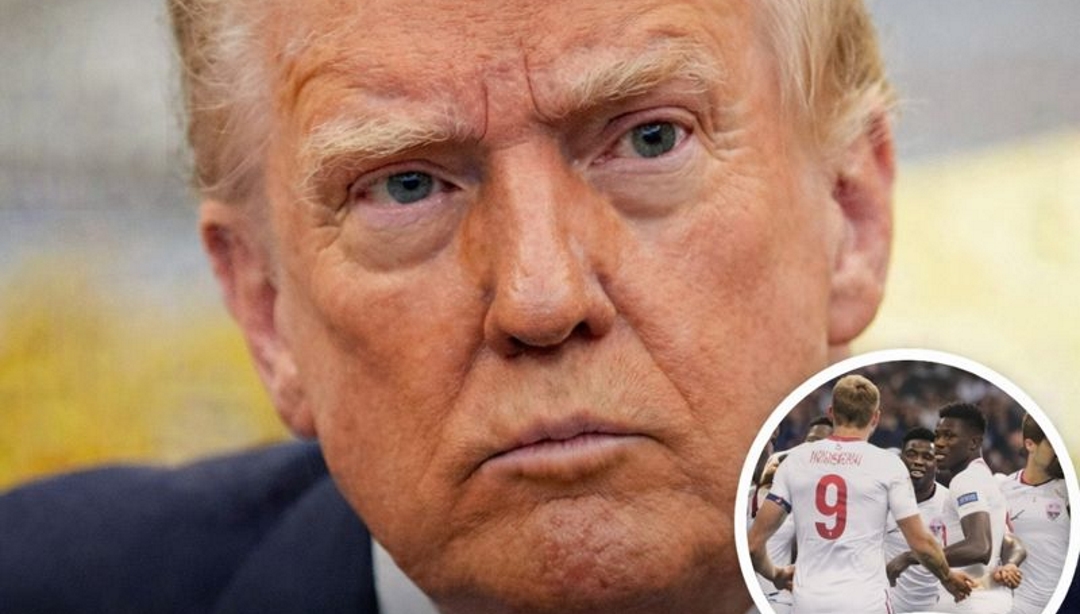
Donald Trump has sparked international attention after issuing remarks that were widely interpreted as a warning toward England ahead of the upcoming World Cup, raising concerns about how political tensions could spill into global sporting events.
The comments surfaced during a recent appearance in which Trump criticized the United Kingdom’s political leadership and hinted at potential consequences should disputes escalate. Clips of the remarks circulated rapidly, prompting analysis from UK political correspondents who noted the unusual timing given the proximity of the World Cup.
While Trump did not outline specific actions, analysts said the language echoed his past approach to foreign policy, where trade pressure and diplomatic threats were often floated publicly before any formal measures were taken. Similar patterns were documented during his presidency in international reporting on transatlantic relations.
British officials responded cautiously, avoiding direct confrontation while emphasizing the importance of keeping politics separate from international sport. Government sources speaking to British media outlets stressed that the World Cup should remain a neutral event focused on competition rather than political disputes.
The remarks immediately raised questions about whether travel policies, security cooperation, or diplomatic engagement could be affected. Sports law experts interviewed in coverage of geopolitics and global events warned that even rhetorical threats can complicate coordination for tournaments that rely on international cooperation.
Trump’s history of using major events as leverage has kept allies on edge before. During his time in office, similar comments preceded abrupt policy shifts that affected trade, visas, and diplomatic norms, as outlined in archived coverage of Trump-era foreign policy.
Reaction online was swift. Some supporters praised Trump for projecting strength, while critics accused him of unnecessarily inflaming tensions with one of America’s closest allies. Sports commentators pointed out that fans and athletes could be caught in the middle if rhetoric turns into action, a concern explored in analysis of sports diplomacy risks.
So far, no official policy changes have been announced, and Trump’s campaign has declined to clarify whether the remarks were rhetorical or indicative of future action. British officials likewise downplayed the comments, signaling a desire to keep preparations for the World Cup on track.
Still, the episode highlights how quickly political messaging can collide with global events. As the tournament approaches, organizers and governments alike are watching closely to see whether Trump’s words remain just that — or whether they foreshadow a broader confrontation with implications far beyond the pitch.