
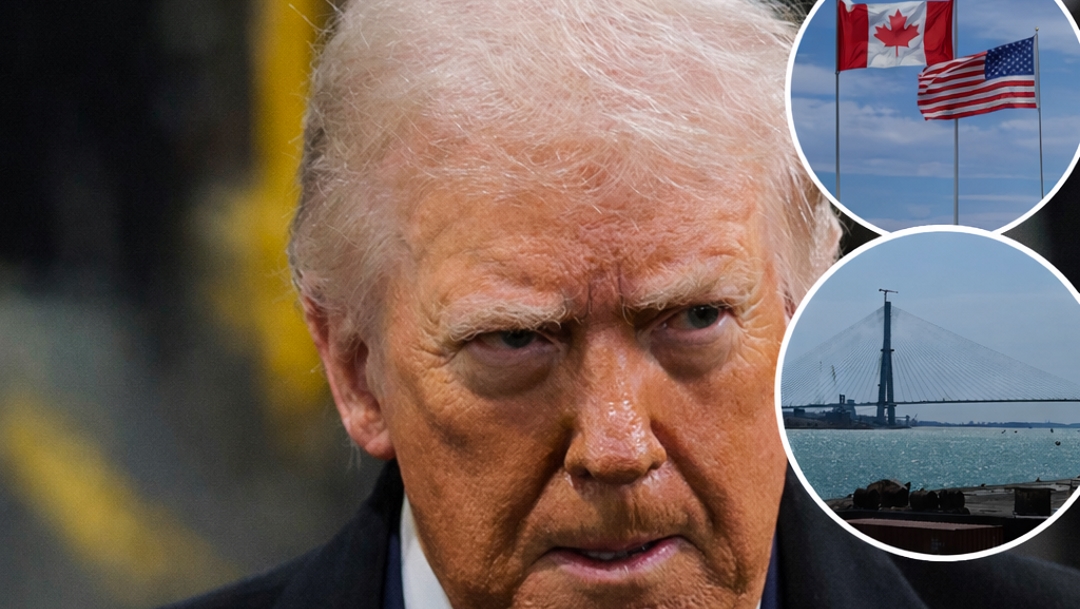
Critics aligned with Trump contend that certain operational agreements, including inspection procedures and revenue structures, should be revisited. They argue that border infrastructure must reflect broader national priorities, particularly regarding trade enforcement and security.
Canadian officials have largely maintained that the bridge was negotiated through a bilateral framework and financed under arrangements agreed upon years ago. Public statements from Ottawa have emphasized that the project remains on track and is expected to deliver long-term economic benefits.
Business groups on both sides of the border have expressed concern that any delay could disrupt planning and investment decisions. The Detroit-Windsor corridor is one of the most vital trade arteries in North America, with billions of dollars in goods crossing daily.
According to background information from the U.S. Department of Transportation, cross-border infrastructure plays a key role in maintaining supply chain resilience, especially in industries that depend on just-in-time delivery systems.
Local leaders in Michigan have underscored the economic stakes. They point to projected job creation during construction and long-term commercial growth once the bridge becomes fully operational. Windsor officials have echoed similar expectations, framing the project as a symbol of enduring cooperation between the two countries.
Political analysts note that Trump’s statement fits within a broader pattern of hardline rhetoric on trade and border policy. During his presidency, he frequently called for renegotiations of international agreements and leveraged infrastructure discussions as part of larger policy debates.